

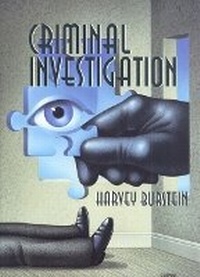
Criminal Investigation
An Introduction
Published on 17. June 1999
Book
Hardback
336 pages
978-0-13-575358-3 (ISBN)
Description
For courses in Investigations. Based on the author's extensive personal experience as an investigator of both criminal and non-criminal cases and as a teacher of investigations, this introductory text explores the fundamentals that are generic to all types of investigations - criminal and otherwise. Using real cases to illustrate how investigators actually work in a variety of situations, it provides students with a solid background for the more specialized training they will encounter on the job.
More details
Language
English
Place of publication
United States
Publishing group
Pearson Education (US)
Target group
Professional and scholarly
Dimensions
Height: 182 mm
Width: 242 mm
Thickness: 17 mm
Weight
572 gr
ISBN-13
978-0-13-575358-3 (9780135753583)
Copyright in bibliographic data and cover images is held by Nielsen Book Services Limited or by the publishers or by their respective licensors: all rights reserved.
Schweitzer Classification
Content
I. INTRODUCTION.
1. Historical Background.
2. What Is an Investigation?
3. Who Conducts Investigations?
4. Characteristics of a Good Investigator.
5. How Investigations Are Initiated.
II. ELEMENTS OF AN INVESTIGATION.
6. The Preliminary Investigation.
7. Jurisdictional Issues.
8. Crime Scenes.
9. Sources of Information and Confidential Informants.
10. Locating and Interviewing Witnesses.
11. Surveillance and Intelligence.
12. Collecting and Preserving Evidence.
13. The Laboratory.
14. Interrogating the Subject.
III. PRINCIPAL TYPES OF INVESTIGATIONS.
15. Crimes of Violence.
16. Other Crimes.
17. Conspiracy and Organized Crime.
18. Other Types of Investigations.
IV. ADMINISTRATION AND CASE COMPLETION.
19. Case Management.
20. Report Writing.
21. The Trial Process.
Glossary.
Suggested Bibliography.
Index.
1. Historical Background.
2. What Is an Investigation?
3. Who Conducts Investigations?
4. Characteristics of a Good Investigator.
5. How Investigations Are Initiated.
II. ELEMENTS OF AN INVESTIGATION.
6. The Preliminary Investigation.
7. Jurisdictional Issues.
8. Crime Scenes.
9. Sources of Information and Confidential Informants.
10. Locating and Interviewing Witnesses.
11. Surveillance and Intelligence.
12. Collecting and Preserving Evidence.
13. The Laboratory.
14. Interrogating the Subject.
III. PRINCIPAL TYPES OF INVESTIGATIONS.
15. Crimes of Violence.
16. Other Crimes.
17. Conspiracy and Organized Crime.
18. Other Types of Investigations.
IV. ADMINISTRATION AND CASE COMPLETION.
19. Case Management.
20. Report Writing.
21. The Trial Process.
Glossary.
Suggested Bibliography.
Index.