

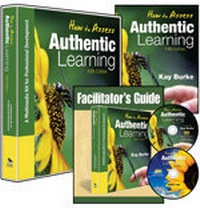
How to Assess Authentic Learning (Multimedia Kit)
A Multimedia Kit for Professional Development
5th Edition
Published on 23. March 2011
Book
64 pages
978-1-4129-7869-9 (ISBN)
Description
Raise student achievement with effective standards-based assessments This comprehensive professional development package offers updated, easy-to-implement formative assessment tools teachers can use to help all students meet or exceed mandated academic standards. Best-selling author Kay Burke provides strategies based on current research and step-by-step instructions for: Developing unit plans using differentiated learning and assessment strategiesBuilding Response to Intervention checklists for struggling studentsDesigning performance tasks that engage all learners Creating tests that focus on higher-order thinking skillsThe multimedia package includes:The fifth edition of How to Assess Authentic Learning, with more than 50 examples of formative assessments, real classroom examples, embedded performance tasks, user-friendly checklists, rubrics, graphic organizers, and implementation strategies A content-rich 69-minute DVD featuring Kay Burke describing the process for differentiating classroom assessments to help students achieve academic excellence An easy-to-use facilitatorAEs guide with segment prompts, workshop outlines, activities, and discussion questions that connect the bookAEs content with theaDVDEffective for large or small groups, this all-in-one training kit is ideal for professional development leaders and teachers who want to expand their knowledge of formative assessment and maximize student learning.
More details
Edition
5th Revised edition
Language
English
Place of publication
Thousand Oaks
United States
Publishing group
SAGE Publications Inc
Target group
Professional and scholarly
Edition type
Revised edition
Dimensions
Height: 279 mm
Width: 216 mm
Weight
1320 gr
ISBN-13
978-1-4129-7869-9 (9781412978699)
Copyright in bibliographic data and cover images is held by Nielsen Book Services Limited or by the publishers or by their respective licensors: all rights reserved.
Schweitzer Classification
Person
Kay Burke has served as an award-winning classroom teacher and a school administrator, university instructor, and international professional developer. She works with Kay Burke & Associates, LLC, to provide workshops for teachers and administrators in standards-based learning, performance assessment, classroom management, mentoring, and portfolio development. For the past 18 years, Burke has presented at state and national conferences such as ASCD, NSDC, NAESP, NASSP, NMSA, and IRA as well as international conferences in Canada and Australia. She is the author of 10 professional development books and coauthor of a college textbook on assessment. Corwin Press published Burke's best-selling From Standards to Rubrics in Six Steps: Tools for Assessing Student Learning, K-8 (2006), a 2007 finalist for the Distinguished Achievement Award for Excellence in Educational Publishing presented by the Association of Educational Publishers. Other books published by Corwin Press include How to Assess Authentic Learning, Fourth Edition (2005) and What to Do With the Kid Who: Developing Cooperation, Self-Discipline and Responsibility in the Classroom (Third Edition).
Content
Acknowledgments
About the Author
Introduction
Standardized Tests and Classroom Assessments
Assessment Literacy
Accountability
Grading
Traditional Cognitive Science
Assessment and Evaluation
Definitions of Performance Assessment
Portfolios
Balanced Assessment
And Now...the Tools!
1. Student Learning Standards
What Are Learning Standards and Benchmarks?
What Is the Standards Movement?
How Did the Standards Movement Begin?
What Are Preformance Standards?
Why Do We Need Standards?
How Can We Use Standards?
Final Thoughts
2. Differentiated Learning
What Is Differentiated Learning?
What Are the Multiple Intelligences?
Why Should We Use Differentiation?
How Should We Use the Multiple intelligences?
Final Thoughts
3. Student Portfolios
What is a Portfolio?
Why Should We Use Portfolios?
How Can We Implement Portfolios?
Final Thoughts
4. Performance Tasks and Rubrics
What Are Performance Tasks?
Why Should We Use Performance Tasks?
How Should We Create Performance Tasks?
How Should We Assess Performance Tasks?
Final Thoughts
5. Checklists and Rubrics
What Are Checklists?
Why Should We Use Checklists?
How Should We Use Checklists?
What Are Rubrics?
How Should We Use Rubrics?
How Can Rubrics Be Used?
What is the Checklist-Rubrics Connection?
How Do We Create Assessments?
Final Thoughts
6. Metacognition
What Is Metacognitive Reflection?
Why Should We Use Megacognitive Reflection?
How Should We Use Megacognitive Reflection?
What Are Learning Logs and Journals?
Why Should We Use Learning Logs and Journals?
How Should We Use Learning Logs and Journals?
How Should We Assess Learning Logs and Journals??
Finals Thoughts
7. Graphic Organizers
What Are Graphic Organizers?
Why Should We Use Graphic Organizers?
How Should Graphic Organizers Be Used For Assessment?
Final Thoughts
8. Teacher-Made Tests
What Are Teacher-Made Tests?
Why Do We Need Teacher-Made Tests?
How Can We Design Better Teacher-Made Tests?
Final Thoughts
9. Interviews and Conferences
What Are Interviews and Conferences?
Why Should We Use Interviews and Conferences?
How Should We Assess Interviews and Conferences?
Final Thoughts
Conclusion
Resources: Performance Task Units
Resource A: Investigating Rocks, Minerals, and Soils in Third-Grade Science
Resource B: A Middle School Economics Performance Task
Resource C: Using Algebra to Plan a Garden Party
Resource D: Foreign Language Performance Task for Middle and High School
Resource E: Thinking About Themes Through texts and Tasks in Literature, Grades 9-12
References
Index
About the Author
Introduction
Standardized Tests and Classroom Assessments
Assessment Literacy
Accountability
Grading
Traditional Cognitive Science
Assessment and Evaluation
Definitions of Performance Assessment
Portfolios
Balanced Assessment
And Now...the Tools!
1. Student Learning Standards
What Are Learning Standards and Benchmarks?
What Is the Standards Movement?
How Did the Standards Movement Begin?
What Are Preformance Standards?
Why Do We Need Standards?
How Can We Use Standards?
Final Thoughts
2. Differentiated Learning
What Is Differentiated Learning?
What Are the Multiple Intelligences?
Why Should We Use Differentiation?
How Should We Use the Multiple intelligences?
Final Thoughts
3. Student Portfolios
What is a Portfolio?
Why Should We Use Portfolios?
How Can We Implement Portfolios?
Final Thoughts
4. Performance Tasks and Rubrics
What Are Performance Tasks?
Why Should We Use Performance Tasks?
How Should We Create Performance Tasks?
How Should We Assess Performance Tasks?
Final Thoughts
5. Checklists and Rubrics
What Are Checklists?
Why Should We Use Checklists?
How Should We Use Checklists?
What Are Rubrics?
How Should We Use Rubrics?
How Can Rubrics Be Used?
What is the Checklist-Rubrics Connection?
How Do We Create Assessments?
Final Thoughts
6. Metacognition
What Is Metacognitive Reflection?
Why Should We Use Megacognitive Reflection?
How Should We Use Megacognitive Reflection?
What Are Learning Logs and Journals?
Why Should We Use Learning Logs and Journals?
How Should We Use Learning Logs and Journals?
How Should We Assess Learning Logs and Journals??
Finals Thoughts
7. Graphic Organizers
What Are Graphic Organizers?
Why Should We Use Graphic Organizers?
How Should Graphic Organizers Be Used For Assessment?
Final Thoughts
8. Teacher-Made Tests
What Are Teacher-Made Tests?
Why Do We Need Teacher-Made Tests?
How Can We Design Better Teacher-Made Tests?
Final Thoughts
9. Interviews and Conferences
What Are Interviews and Conferences?
Why Should We Use Interviews and Conferences?
How Should We Assess Interviews and Conferences?
Final Thoughts
Conclusion
Resources: Performance Task Units
Resource A: Investigating Rocks, Minerals, and Soils in Third-Grade Science
Resource B: A Middle School Economics Performance Task
Resource C: Using Algebra to Plan a Garden Party
Resource D: Foreign Language Performance Task for Middle and High School
Resource E: Thinking About Themes Through texts and Tasks in Literature, Grades 9-12
References
Index