

The World's Most Ridiculous Animals: Volume 2
Published on 5. July 2022
Book
Hardback
80 pages
978-0-7112-7645-1 (ISBN)
Description
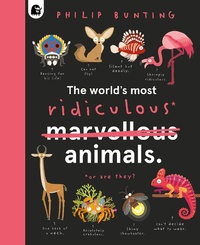
This witty, quirky, colourfully illustrated and fact-filled book features some of the most absurd and flamboyant animals on the planet!
The second title in the series from the hilarious Philip Bunting is filled with facts about some of the weirdest creatures in the natural world.
The antagonist voice (speaking though cheeky annotations) points out the apparent ridiculousness of each creature's features, while the narrator's voice describe the evolutionary reasons or advantages for each animal's extraordinary characteristics.
With hilarious text throughout and bright, contemporary illustrations, this guide to ridiculous animals contains funny labelled diagrams and will help teach kids about evolution by studying some of its most wild products!
Quirky Creatures is a series dedicated to seeking out the weird and wonderful denizens of the natural world and explaining why they are so strange, from the ridiculous to the truly terrifying. Also available in this series is The World's Most Pointless Animals and The World's Most Atrocious Animals.
The second title in the series from the hilarious Philip Bunting is filled with facts about some of the weirdest creatures in the natural world.
The antagonist voice (speaking though cheeky annotations) points out the apparent ridiculousness of each creature's features, while the narrator's voice describe the evolutionary reasons or advantages for each animal's extraordinary characteristics.
With hilarious text throughout and bright, contemporary illustrations, this guide to ridiculous animals contains funny labelled diagrams and will help teach kids about evolution by studying some of its most wild products!
Quirky Creatures is a series dedicated to seeking out the weird and wonderful denizens of the natural world and explaining why they are so strange, from the ridiculous to the truly terrifying. Also available in this series is The World's Most Pointless Animals and The World's Most Atrocious Animals.
More details
Series
Language
English
Place of publication
United Kingdom
Publishing group
Quarto Publishing PLC
Target group
Children/juvenile
Interest Age: From 5 to 8 years
Product notice
sewn/stitched
Cloth over boards
Illustrations
color illustrations
Dimensions
Height: 290 mm
Width: 237 mm
Thickness: 17 mm
Weight
718 gr
ISBN-13
978-0-7112-7645-1 (9780711276451)
Copyright in bibliographic data and cover images is held by Nielsen Book Services Limited or by the publishers or by their respective licensors: all rights reserved.
Schweitzer Classification
Persons
Philip Bunting's books have been translated into multiple languages, and published in over 25 countries around the world. Since his first title was published in 2017, Philip has received multiple accolades, including Honours from the Children's Book Council of Australia, and making the list for the Kate Greenaway Medal in 2018. His titles include Mopoke and How Did I Get Here? Philip's work deliberately encourages playful interaction between the reader and child, allowing his books to create a platform for genuine intergenerational engagement, and fun. Philip lives in Queensland, Australia.
Philip Bunting's books have been translated into multiple languages, and published in over 25 countries around the world. Since his first title was published in 2017, Philip has received multiple accolades, including Honours from the Children's Book Council of Australia, and making the list for the Kate Greenaway Medal in 2018. His titles include Mopoke and How Did I Get Here? Philip's work deliberately encourages playful interaction between the reader and child, allowing his books to create a platform for genuine intergenerational engagement, and fun. Philip lives in Queensland, Australia.
Philip Bunting's books have been translated into multiple languages, and published in over 25 countries around the world. Since his first title was published in 2017, Philip has received multiple accolades, including Honours from the Children's Book Council of Australia, and making the list for the Kate Greenaway Medal in 2018. His titles include Mopoke and How Did I Get Here? Philip's work deliberately encourages playful interaction between the reader and child, allowing his books to create a platform for genuine intergenerational engagement, and fun. Philip lives in Queensland, Australia.
Content
Contents
Introduction.
Sea sheep.
Maned wolf.
Decorator crab.
Markhor.
Bee hummingbird.
Indian peafowl.
Siamese fighting fish.
Okapi.
Flying fish.
Brazilian treehopper.
Gobi jerboa.
Wattle-cup
caterpillar.
Fennec fox.
Babirusa.
Tardigrade.
Zombie snail.
Sphynx cat.
Red lionfish.
Green basilisk lizard.
Mexican mole lizard.
Palm cockatoo.
Hairy anglerfish.
Star-nosed mole.
Mary River turtle.
Largetooth sawfish.
Sea angel.
Superb lyrebird.
Mandrill.
Marine iguana.
Flamingo.
Flamboyant
cuttlefish.
Magnificent
frigatebird.
Peacock mantis
shrimp.
Frill-neck lizard.
Macaroni penguin.
Common wombat.
Ribbon eel.
Ghost bat.
Peacock spider.
Lowland streaked
tenrec.
Panther chameleon.
Exploding ant.
Pygmy slow loris.
Tasseled wobbegong.
Bobbit worm.
Southern cassowary.
Orchid mantis.
Manatee.
Resplendent quetzal.
Velvet worm.
Burrowing owl.
Opossum.
Firefly.
Gerenuk.
Northern pinocchio
frog.
Secretary bird.
In closing.
Index.
Introduction.
Sea sheep.
Maned wolf.
Decorator crab.
Markhor.
Bee hummingbird.
Indian peafowl.
Siamese fighting fish.
Okapi.
Flying fish.
Brazilian treehopper.
Gobi jerboa.
Wattle-cup
caterpillar.
Fennec fox.
Babirusa.
Tardigrade.
Zombie snail.
Sphynx cat.
Red lionfish.
Green basilisk lizard.
Mexican mole lizard.
Palm cockatoo.
Hairy anglerfish.
Star-nosed mole.
Mary River turtle.
Largetooth sawfish.
Sea angel.
Superb lyrebird.
Mandrill.
Marine iguana.
Flamingo.
Flamboyant
cuttlefish.
Magnificent
frigatebird.
Peacock mantis
shrimp.
Frill-neck lizard.
Macaroni penguin.
Common wombat.
Ribbon eel.
Ghost bat.
Peacock spider.
Lowland streaked
tenrec.
Panther chameleon.
Exploding ant.
Pygmy slow loris.
Tasseled wobbegong.
Bobbit worm.
Southern cassowary.
Orchid mantis.
Manatee.
Resplendent quetzal.
Velvet worm.
Burrowing owl.
Opossum.
Firefly.
Gerenuk.
Northern pinocchio
frog.
Secretary bird.
In closing.
Index.