

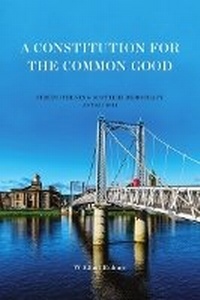
A Constitution for the Common Good
Strengthening Scottish Democracy After 2014
Published on 31. July 2014
Book
Paperback/Softback
218 pages
978-1-910021-09-5 (ISBN)
Description
If Scotland has voted YES on 18 September, how can a written Constitution be good for the people of Scotland?
If Scotland has voted NO, how could a new Constitution protect and enhance Scottish democracy within a restructured UK?
Whether YES or NO, a reconstituted Scotland is possible and good for all its citizens.
Nearly every democracy in the world is built upon a written constitution, and constitutions have been at the core of citizens' demands for better governance in places as disparate as Kenya, Tunisia and Ukraine. With the Scottish National Party promising a written constitution in the event of a YES vote and other parties suggesting other possible options for constitutional change in the event of a NO vote, constitutional change looks certain to remain central to the political agenda in Scotland for some time to come.
But what is a constitution for? Is it a defensive charter to protect the basic structures of democratic government, or is it a transformative covenant for a better society? How can the Constitution sustain democracy and promote ethical politics while at the same time recognising and accommodating differences in society? What difference would a good Constitution make to the poor? How can the Constitution help ensure that the common good of the citizenry prevails over private vested interests?
In addressing these questions, this book sets out a vision for how Scotland could reconstitute itself. It emphasises the connection between the constitution, democracy and the common good, arguing that democratic self-government is the true prize, regardless of the relationship of Scotland to the rest of the UK.
This book not only makes a vital contribution to Scotland's current and on-going constitutional debate, whatever the outcome in September 2014, but also engages with fundamental questions of constitutionalism and democracy that are of enduring relevance to both citizens and scholars around the world.
If Scotland has voted NO, how could a new Constitution protect and enhance Scottish democracy within a restructured UK?
Whether YES or NO, a reconstituted Scotland is possible and good for all its citizens.
Nearly every democracy in the world is built upon a written constitution, and constitutions have been at the core of citizens' demands for better governance in places as disparate as Kenya, Tunisia and Ukraine. With the Scottish National Party promising a written constitution in the event of a YES vote and other parties suggesting other possible options for constitutional change in the event of a NO vote, constitutional change looks certain to remain central to the political agenda in Scotland for some time to come.
But what is a constitution for? Is it a defensive charter to protect the basic structures of democratic government, or is it a transformative covenant for a better society? How can the Constitution sustain democracy and promote ethical politics while at the same time recognising and accommodating differences in society? What difference would a good Constitution make to the poor? How can the Constitution help ensure that the common good of the citizenry prevails over private vested interests?
In addressing these questions, this book sets out a vision for how Scotland could reconstitute itself. It emphasises the connection between the constitution, democracy and the common good, arguing that democratic self-government is the true prize, regardless of the relationship of Scotland to the rest of the UK.
This book not only makes a vital contribution to Scotland's current and on-going constitutional debate, whatever the outcome in September 2014, but also engages with fundamental questions of constitutionalism and democracy that are of enduring relevance to both citizens and scholars around the world.
Reviews / Votes
Academically insightful... Bulmer's book is a rare example of a treatise on constitutional politics aimed at the general reader. THE SCOTSMAN on A Constitution for the Common GoodDr W Elliot Bulmer is one of the country's leading experts on constitutional matters. SUNDAY HERALD
More details
Series
Language
English
Place of publication
Edinburgh
United Kingdom
Product notice
Paperback (UK-trade)
Dimensions
Height: 234 mm
Width: 156 mm
Thickness: 12 mm
Weight
350 gr
ISBN-13
978-1-910021-09-5 (9781910021095)
Copyright in bibliographic data and cover images is held by Nielsen Book Services Limited or by the publishers or by their respective licensors: all rights reserved.
Schweitzer Classification
Other editions
New editions
Book
10/2015
2nd Edition
Luath Press Ltd
€37.32
Shipment within 3-4 weeks
Additional editions
E-Book
08/2024
Luath Press
€13.19
Available for download
Person
ELLIOT BULMER graduated with an MA in Arabic and Politics from the University of Edinburgh. He was commissioned as a Logistics Officer in the Royal Navy, where he saw service in Iraq as part of a psyops unit. After leaving the Navy, he completed a phd in Politics at the University of Glasgow while serving as Research Director of the Constitutional Commission, a Scottish charitable organisation for constitutional education and research. He now works for the Constitution Building Programme of the International Institute for Democracy and Electoral Assistance in The Hague, Netherlands. He is the author of A Model Constitution for Scotland: Making Democracy Work in an Independent State (Edinburgh: Luath Press, 2011) and several articles in peer-reviewed academic journal articles on constitutional subjects, as well as being a frequent contributor to Scotland's constitutional debate in the print and online media.
Content
Contents
Acknowledgements 6
Preface to the Second Edition 9
Introduction 13
Chapter One Does the Constitution still matter? 21
i Independence, Democracy and the Constitution 23
ii Independence, Sovereignty and Folkric 27
iii The Constitutional Debate before the Independence Referendum 29
iv Constitutionalism without Independence? 36
a A Federal United Kingdom 39
b A New Treaty of Union 45
c Home Rule 47
Chapter Two How can Constitutions promote the common good? 52
i The Common Good as the Purpose of the State 53
ii What is the Common Good? 58
iii Common Good, Pluralism and Pre-commitment 61
iv Political Liberty as a Common Good 65
Chapter Three How prescriptive should the Constitution be? 67
i The Case for Procedural Constitutionalism 67
ii The Limits of Prescriptive Constitutionalism 80
iii The Relationship between Procedural and Prescriptive Elements 84
Chapter Four How could the Constitution strengthen democracy? 93
i Direct Democracy 95
ii Representation and Inclusiveness 104
iii Second Chamber: Senate or Tribunate? 117
iv Local Democracy 124
v Democratising Parties 127
Chapter Five How can the Constitution promote good governance and accountability? 131
i Parliamentary Scrutiny and Fourth Branch Institutions 131
ii Recall and Popular Dissolution 139
iii Prime Ministerial Term Limits 143
iv Guarding the Guardians: Supervision of the Military and Security Services 146
Chapter Six How can the Constitution reflect our values and identities? 152
i The Preamble and Para-Consitutional Covenants 152
ii Religion and State 159
iii Monarchy and National Identity 170
Chapter Seven How can the Constitution help us to achieve social justice, tackle poverty and reduce inequality? 177
i Social and Economic Rights 177
ii Judicial or Political Enforcement 181
iii Beyond Rights: Empowering the People 184
Chapter Eight How can the Constitution promote public ethics? 187
i The need for Good Citizenship 188
ii Education for Citizenship 191
iii Principles of Public Life and Codes of Conduct 194
iv Public Honours 199
Chapter Nine How can we build a new constitutional settlement? 201
i Does process matter? 201
ii Stages of the process 208
iii Possible next steps 213
Appendices 219
Appendix A A Constitution for an Independent Scotland 221
Appendix B 'A New Treaty of Union' 270
Appendix C A Home Rule and Full Fiscal Autonomy Settlement for Scotland 277
Appendix D A Constitution for a Federal United Kingdom 284
Endnotes 325
Acknowledgements 6
Preface to the Second Edition 9
Introduction 13
Chapter One Does the Constitution still matter? 21
i Independence, Democracy and the Constitution 23
ii Independence, Sovereignty and Folkric 27
iii The Constitutional Debate before the Independence Referendum 29
iv Constitutionalism without Independence? 36
a A Federal United Kingdom 39
b A New Treaty of Union 45
c Home Rule 47
Chapter Two How can Constitutions promote the common good? 52
i The Common Good as the Purpose of the State 53
ii What is the Common Good? 58
iii Common Good, Pluralism and Pre-commitment 61
iv Political Liberty as a Common Good 65
Chapter Three How prescriptive should the Constitution be? 67
i The Case for Procedural Constitutionalism 67
ii The Limits of Prescriptive Constitutionalism 80
iii The Relationship between Procedural and Prescriptive Elements 84
Chapter Four How could the Constitution strengthen democracy? 93
i Direct Democracy 95
ii Representation and Inclusiveness 104
iii Second Chamber: Senate or Tribunate? 117
iv Local Democracy 124
v Democratising Parties 127
Chapter Five How can the Constitution promote good governance and accountability? 131
i Parliamentary Scrutiny and Fourth Branch Institutions 131
ii Recall and Popular Dissolution 139
iii Prime Ministerial Term Limits 143
iv Guarding the Guardians: Supervision of the Military and Security Services 146
Chapter Six How can the Constitution reflect our values and identities? 152
i The Preamble and Para-Consitutional Covenants 152
ii Religion and State 159
iii Monarchy and National Identity 170
Chapter Seven How can the Constitution help us to achieve social justice, tackle poverty and reduce inequality? 177
i Social and Economic Rights 177
ii Judicial or Political Enforcement 181
iii Beyond Rights: Empowering the People 184
Chapter Eight How can the Constitution promote public ethics? 187
i The need for Good Citizenship 188
ii Education for Citizenship 191
iii Principles of Public Life and Codes of Conduct 194
iv Public Honours 199
Chapter Nine How can we build a new constitutional settlement? 201
i Does process matter? 201
ii Stages of the process 208
iii Possible next steps 213
Appendices 219
Appendix A A Constitution for an Independent Scotland 221
Appendix B 'A New Treaty of Union' 270
Appendix C A Home Rule and Full Fiscal Autonomy Settlement for Scotland 277
Appendix D A Constitution for a Federal United Kingdom 284
Endnotes 325