

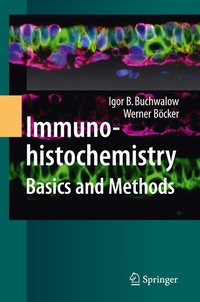
Immunohistochemistry: Basics and Methods
Published on 31. October 2014
Book
Paperback/Softback
X, 153 pages
978-3-642-42502-8 (ISBN)
Description
Combiningtwodifferentscienti?cdisciplines-morphologyandimmunochemistry- immunohistochemistryhasdevelopedasanimportantinstrumentinresearchand clinicalpathology. A basicunderstandingofunderlying principlesandpotential problemsisunavoidableifyouwanttobesuccessfulinyouruseofimmunohis- chemistry,aswellasingettingyourpaperspublishedandyourresearchgrants funded. Whilemanyexcellenttextsandmonographsexistwhichcovervariousaspects ofimmunohistochemistry,thelackofaconcisecomprehensiveguidetousing thesemethodswasamajormotivationforwritingthisbook. Ourintentionwasto createaneasy-to-readandfocusedresourcebasedonstate-of-the-artinformation forabroadaudiencerangingfromstudentsandtechnicalassistantstoexperienced researchers. Thishandbookhasaconciseformat,withprotocolsandinstructionsfor methodsimmediatelyfollowingtheshortintroductorytheoreticalmaterialineach chapter. BeingconsciousofthegrowingroleofInternetasaninformationsource, wehavefounditreasonableinmanycasestosubstitutecitingbooksandjournal publications with corresponding Internet websites. Where possible, commercial sourcesofreagents,kits,andequipmentarelistedthroughoutthetextinsteadof inaseparateindex.
Thougheachchapterissmallandintroductory,thishandbook itself is self-suf?cient and provides a comprehensive look at the principles of immunohistochemistry. For readers wanting further depth of knowledge, each chapterisbackedupbyashortlistofcarefullyselectedoriginalarticles. Duringthelastdecade,pioneeringeffortsofhistochemistshaveledtoan- menseimprovementinthereagentsandprotocols. Theresearcherisurgedalwaysto determinethereasonforeverymethodandstepbeforedoingit. Thishandbookis intendedtohelpreaderstoavoidtroublesinthechoiceofanadequatemethod,which happenswhenusingstandardtextbooks. Forthishandbook,wecarefullyselected establishedmethodsandeasy-to-adoptprotocols,payingattentiontomoderndev- opmentsinimmunohistochemistry,suchasantigenretrieval,signalampli?cation, the use of epitope tags in immunohistochemistry, multiple immunolabeling or diagnosticimmunohistochemistry. Eachofthemethodsdescribedinthishandbook v vi Preface was provedby the authors; many of these methods are routinely used in daily practiceintheirinstitute. Allthepracticalmethodsadvocatedareclearlydescribed, withaccompanyingtables,andtheresultsobtainableareillustratedwithcolour micrographs.
Acknowledgements We thank Vera Samoilova forthe perfect technical assistance and other colleaguesfromtheMunsterUniversityClinicforsharingprobesandreagents. IgorB. BuchwalowandWernerBocker Munster Contents 1 AntibodiesforImmunohistochemistry ...1 1. 1 StructureofAntibodies ...2 1. 2 PolyclonalAntibodies ...4 1. 3 MouseMonoclonalAntibodies ...4 1. 4 RabbitMonoclonalAntibodies ...5 1. 5 ProteinAandProteinGinImmunohistochemistry ...7 References ...8 2 AntibodyLabelingandtheChoiceoftheLabel ...9 2. 1 CovalentLabelingofAntibodies ...9 2. 2 Non-CovalentLabelingofPrimaryAntibodieswith LabeledFabFragments ...10 2. 3 EnzymeLabelsforLightMicroscopy ...13 2. 4 FluorophoreLabelsforFluorescenceMicroscopy ...15 2. 5 ColloidalGoldLabelsforElectronMicroscopy ...16 References ...17 3 ProbesProcessinginImmunohistochemistry ...19 3. 1 FixationinImmunohistochemistry ...19 3. 1. 1 FixationinAlcoholsandAcetone ...20 3. 1. 2 FixationinFormaldehyde ...20 3. 1. 3 EffectofFormaldehydeFixationon Antigen-nster Contents 1 AntibodiesforImmunohistochemistry ...1 1. 1 StructureofAntibodies ...2 1. 2 PolyclonalAntibodies ...4 1. 3 MouseMonoclonalAntibodies ...4 1. 4 RabbitMonoclonalAntibodies ...5 1.
5 ProteinAandProteinGinImmunohistochemistry ...7 References ...8 2 AntibodyLabelingandtheChoiceoftheLabel ...9 2. 1 CovalentLabelingofAntibodies ...9 2. 2 Non-CovalentLabelingofPrimaryAntibodieswith LabeledFabFragments ...10 2. 3 EnzymeLabelsforLightMicroscopy ...13 2. 4 FluorophoreLabelsforFluorescenceMicroscopy ...15 2. 5 ColloidalGoldLabelsforElectronMicroscopy ...16 References ...17 3 ProbesProcessinginImmunohistochemistry ...19 3. 1 FixationinImmunohistochemistry ...19 3. 1. 1 FixationinAlcoholsandAcetone ...20 3. 1. 2 FixationinFormaldehyde ...20 3. 1. 3 EffectofFormaldehydeFixationon Antigen- immunohistochemistryhasdevelopedasanimportantinstrumentinresearchand clinicalpathology. A basicunderstandingofunderlying principlesandpotential problemsisunavoidableifyouwanttobesuccessfulinyouruseofimmunohis- chemistry,aswellasingettingyourpaperspublishedandyourresearchgrants funded. Whilemanyexcellenttextsandmonographsexistwhichcovervariousaspects ofimmunohistochemistry,thelackofaconcisecomprehensiveguidetousing thesemethodswasamajormotivationforwritingthisbook.
Ourintentionwasto createaneasy-to-readandfocusedresourcebasedonstate-of-the-artinformation forabroadaudiencerangingfromstudentsandtechnicalassistantstoexperienced researchers. Thishandbookhasaconciseformat,withprotocolsandinstructionsfor methodsimmediatelyfollowingtheshortintroductorytheoreticalmaterialineach chapter. BeingconsciousofthegrowingroleofInternetasaninformationsource, wehavefounditreasonableinmanycasestosubstitutecitingbooksandjournal publications with corresponding Internet websites. Where possible, commercial sourcesofreagents,kits,andequipmentarelistedthroughoutthetextinsteadof inaseparateindex. Thougheachchapterissmallandintroductory,thishandbook itself is self-suf?cient and provides a comprehensive look at the principles of immunohistochemistry. For readers wanting further depth of knowledge, each chapterisbackedupbyashortlistofcarefullyselectedoriginalarticles. Duringthelastdecade,pioneeringeffortsofhistochemistshaveledtoan- menseimprovementinthereagentsandprotocols. Theresearcherisurgedalwaysto determinethereasonforeverymethodandstepbeforedoingit.
Thishandbookis intendedtohelpreaderstoavoidtroublesinthechoiceofanadequatemethod,which happenswhenusingstandardtextbooks. Forthishandbook,wecarefullyselected establishedmethodsandeasy-to-adoptprotocols,payingattentiontomoderndev- opmentsinimmunohistochemistry,suchasantigenretrieval,signalampli?cation, the use of epitope tags in immunohistochemistry, multiple immunolabeling or diagnosticimmunohistochemistry. Eachofthemethodsdescribedinthishandbook v vi Preface was provedby the authors; many of these methods are routinely used in daily practiceintheirinstitute. Allthepracticalmethodsadvocatedareclearlydescribed, withaccompanyingtables,andtheresultsobtainableareillustratedwithcolour micrographs. Acknowledgements We thank Vera Samoilova forthe perfect technical assistance and other colleaguesfromtheMunsterUniversityClinicforsharingprobesandreagents. IgorB. BuchwalowandWernerBocker Munster Contents 1 AntibodiesforImmunohistochemistry ...1 1. 1 StructureofAntibodies ...2 1. 2 PolyclonalAntibodies ...4 1. 3 MouseMonoclonalAntibodies ...4 1. 4 RabbitMonoclonalAntibodies ...5 1. 5 ProteinAandProteinGinImmunohistochemistry ...7 References ...8 2 AntibodyLabelingandtheChoiceoftheLabel ...9 2.
1 CovalentLabelingofAntibodies ...9 2. 2 Non-CovalentLabelingofPrimaryAntibodieswith LabeledFabFragments ...10 2. 3 EnzymeLabelsforLightMicroscopy ...13 2. 4 FluorophoreLabelsforFluorescenceMicroscopy ...15 2. 5 ColloidalGoldLabelsforElectronMicroscopy ...16 References ...17 3 ProbesProcessinginImmunohistochemistry ...19 3. 1 FixationinImmunohistochemistry ...19 3. 1. 1 FixationinAlcoholsandAcetone ...20 3. 1. 2 FixationinFormaldehyde ...20 3. 1. 3 EffectofFormaldehydeFixationon Antigen-AntibodyBinding ...21 3. 2 Paraf?nSectionsforImmunohistochemicalAnalysis ...22 3. 2. 1 EmbeddingandCutting ...22 3. 2. 2 MountingParaf?nSectionsontoSlides ...23 3. 3 CryosectionsforImmunohistochemicalAnalysis ...24 3. 4 BuffersforWashingandAntibodyDilution ...25 3. 5 MountingFollowingImmunohistochemicalStaining ...27 3. 6 StorageFollowingImmunohistochemicalStaining ...28 References ...28 vii viii Contents 4 WorkingwithAntibodies ...31 4. 1 DirectImmunostainingMethod ...31 4. 2 IndirectImmunostainingMethod ...33 4. 3 TheChoiceofAntibodies ...35 4. 3. 1 TheChoiceofPrimaryAntibodies ...35 4. 3. 2 TheChoiceofSecondaryAntibodies ...
Thougheachchapterissmallandintroductory,thishandbook itself is self-suf?cient and provides a comprehensive look at the principles of immunohistochemistry. For readers wanting further depth of knowledge, each chapterisbackedupbyashortlistofcarefullyselectedoriginalarticles. Duringthelastdecade,pioneeringeffortsofhistochemistshaveledtoan- menseimprovementinthereagentsandprotocols. Theresearcherisurgedalwaysto determinethereasonforeverymethodandstepbeforedoingit. Thishandbookis intendedtohelpreaderstoavoidtroublesinthechoiceofanadequatemethod,which happenswhenusingstandardtextbooks. Forthishandbook,wecarefullyselected establishedmethodsandeasy-to-adoptprotocols,payingattentiontomoderndev- opmentsinimmunohistochemistry,suchasantigenretrieval,signalampli?cation, the use of epitope tags in immunohistochemistry, multiple immunolabeling or diagnosticimmunohistochemistry. Eachofthemethodsdescribedinthishandbook v vi Preface was provedby the authors; many of these methods are routinely used in daily practiceintheirinstitute. Allthepracticalmethodsadvocatedareclearlydescribed, withaccompanyingtables,andtheresultsobtainableareillustratedwithcolour micrographs.
Acknowledgements We thank Vera Samoilova forthe perfect technical assistance and other colleaguesfromtheMunsterUniversityClinicforsharingprobesandreagents. IgorB. BuchwalowandWernerBocker Munster Contents 1 AntibodiesforImmunohistochemistry ...1 1. 1 StructureofAntibodies ...2 1. 2 PolyclonalAntibodies ...4 1. 3 MouseMonoclonalAntibodies ...4 1. 4 RabbitMonoclonalAntibodies ...5 1. 5 ProteinAandProteinGinImmunohistochemistry ...7 References ...8 2 AntibodyLabelingandtheChoiceoftheLabel ...9 2. 1 CovalentLabelingofAntibodies ...9 2. 2 Non-CovalentLabelingofPrimaryAntibodieswith LabeledFabFragments ...10 2. 3 EnzymeLabelsforLightMicroscopy ...13 2. 4 FluorophoreLabelsforFluorescenceMicroscopy ...15 2. 5 ColloidalGoldLabelsforElectronMicroscopy ...16 References ...17 3 ProbesProcessinginImmunohistochemistry ...19 3. 1 FixationinImmunohistochemistry ...19 3. 1. 1 FixationinAlcoholsandAcetone ...20 3. 1. 2 FixationinFormaldehyde ...20 3. 1. 3 EffectofFormaldehydeFixationon Antigen-nster Contents 1 AntibodiesforImmunohistochemistry ...1 1. 1 StructureofAntibodies ...2 1. 2 PolyclonalAntibodies ...4 1. 3 MouseMonoclonalAntibodies ...4 1. 4 RabbitMonoclonalAntibodies ...5 1.
5 ProteinAandProteinGinImmunohistochemistry ...7 References ...8 2 AntibodyLabelingandtheChoiceoftheLabel ...9 2. 1 CovalentLabelingofAntibodies ...9 2. 2 Non-CovalentLabelingofPrimaryAntibodieswith LabeledFabFragments ...10 2. 3 EnzymeLabelsforLightMicroscopy ...13 2. 4 FluorophoreLabelsforFluorescenceMicroscopy ...15 2. 5 ColloidalGoldLabelsforElectronMicroscopy ...16 References ...17 3 ProbesProcessinginImmunohistochemistry ...19 3. 1 FixationinImmunohistochemistry ...19 3. 1. 1 FixationinAlcoholsandAcetone ...20 3. 1. 2 FixationinFormaldehyde ...20 3. 1. 3 EffectofFormaldehydeFixationon Antigen- immunohistochemistryhasdevelopedasanimportantinstrumentinresearchand clinicalpathology. A basicunderstandingofunderlying principlesandpotential problemsisunavoidableifyouwanttobesuccessfulinyouruseofimmunohis- chemistry,aswellasingettingyourpaperspublishedandyourresearchgrants funded. Whilemanyexcellenttextsandmonographsexistwhichcovervariousaspects ofimmunohistochemistry,thelackofaconcisecomprehensiveguidetousing thesemethodswasamajormotivationforwritingthisbook.
Ourintentionwasto createaneasy-to-readandfocusedresourcebasedonstate-of-the-artinformation forabroadaudiencerangingfromstudentsandtechnicalassistantstoexperienced researchers. Thishandbookhasaconciseformat,withprotocolsandinstructionsfor methodsimmediatelyfollowingtheshortintroductorytheoreticalmaterialineach chapter. BeingconsciousofthegrowingroleofInternetasaninformationsource, wehavefounditreasonableinmanycasestosubstitutecitingbooksandjournal publications with corresponding Internet websites. Where possible, commercial sourcesofreagents,kits,andequipmentarelistedthroughoutthetextinsteadof inaseparateindex. Thougheachchapterissmallandintroductory,thishandbook itself is self-suf?cient and provides a comprehensive look at the principles of immunohistochemistry. For readers wanting further depth of knowledge, each chapterisbackedupbyashortlistofcarefullyselectedoriginalarticles. Duringthelastdecade,pioneeringeffortsofhistochemistshaveledtoan- menseimprovementinthereagentsandprotocols. Theresearcherisurgedalwaysto determinethereasonforeverymethodandstepbeforedoingit.
Thishandbookis intendedtohelpreaderstoavoidtroublesinthechoiceofanadequatemethod,which happenswhenusingstandardtextbooks. Forthishandbook,wecarefullyselected establishedmethodsandeasy-to-adoptprotocols,payingattentiontomoderndev- opmentsinimmunohistochemistry,suchasantigenretrieval,signalampli?cation, the use of epitope tags in immunohistochemistry, multiple immunolabeling or diagnosticimmunohistochemistry. Eachofthemethodsdescribedinthishandbook v vi Preface was provedby the authors; many of these methods are routinely used in daily practiceintheirinstitute. Allthepracticalmethodsadvocatedareclearlydescribed, withaccompanyingtables,andtheresultsobtainableareillustratedwithcolour micrographs. Acknowledgements We thank Vera Samoilova forthe perfect technical assistance and other colleaguesfromtheMunsterUniversityClinicforsharingprobesandreagents. IgorB. BuchwalowandWernerBocker Munster Contents 1 AntibodiesforImmunohistochemistry ...1 1. 1 StructureofAntibodies ...2 1. 2 PolyclonalAntibodies ...4 1. 3 MouseMonoclonalAntibodies ...4 1. 4 RabbitMonoclonalAntibodies ...5 1. 5 ProteinAandProteinGinImmunohistochemistry ...7 References ...8 2 AntibodyLabelingandtheChoiceoftheLabel ...9 2.
1 CovalentLabelingofAntibodies ...9 2. 2 Non-CovalentLabelingofPrimaryAntibodieswith LabeledFabFragments ...10 2. 3 EnzymeLabelsforLightMicroscopy ...13 2. 4 FluorophoreLabelsforFluorescenceMicroscopy ...15 2. 5 ColloidalGoldLabelsforElectronMicroscopy ...16 References ...17 3 ProbesProcessinginImmunohistochemistry ...19 3. 1 FixationinImmunohistochemistry ...19 3. 1. 1 FixationinAlcoholsandAcetone ...20 3. 1. 2 FixationinFormaldehyde ...20 3. 1. 3 EffectofFormaldehydeFixationon Antigen-AntibodyBinding ...21 3. 2 Paraf?nSectionsforImmunohistochemicalAnalysis ...22 3. 2. 1 EmbeddingandCutting ...22 3. 2. 2 MountingParaf?nSectionsontoSlides ...23 3. 3 CryosectionsforImmunohistochemicalAnalysis ...24 3. 4 BuffersforWashingandAntibodyDilution ...25 3. 5 MountingFollowingImmunohistochemicalStaining ...27 3. 6 StorageFollowingImmunohistochemicalStaining ...28 References ...28 vii viii Contents 4 WorkingwithAntibodies ...31 4. 1 DirectImmunostainingMethod ...31 4. 2 IndirectImmunostainingMethod ...33 4. 3 TheChoiceofAntibodies ...35 4. 3. 1 TheChoiceofPrimaryAntibodies ...35 4. 3. 2 TheChoiceofSecondaryAntibodies ...
Reviews / Votes
From the reviews:
"Immunohistochemistry: Basics and Methods, a new book that aims to make the technique accessible to a wide audience. . The text is easy to read and practical . . this book is an effective primer on the science and technique of immunohistochemistry. I would recommend . particularly to those who are themselves doing a significant amount of hands-on immunohistochemistry or for those seeking to develop the technique in their department. Indeed anyone involved in the interpretation of immunohistochemistry would benefit from reading this book." (Colan Ho-Yen, ACP News, Spring, 2011)More details
Edition
2010 ed.
Language
English
Place of publication
Berlin
Germany
Publishing group
Springer Berlin
Target group
Professional and scholarly
Research
Illustrations
X, 153 p.
Dimensions
Height: 235 mm
Width: 155 mm
Thickness: 10 mm
Weight
260 gr
ISBN-13
978-3-642-42502-8 (9783642425028)
DOI
10.1007/978-3-642-04609-4
Schweitzer Classification
Other editions
Additional editions
Igor B. Buchwalow | Werner Böcker
Immunohistochemistry: Basics and Methods
Book
02/2010
1st Edition
Springer
€246.09
Shipment within 7-9 days
Content
Antibodies for Immunohistochemistry.- Antibody Labeling and the Choice of the Label.- Probes Processing in Immunohistochemistry.- Working with Antibodies.- Background Staining, Autofluorescence and Blocking Steps.- Immunostaining Enhancement.- Multiple Multicolor Immunoenzyme Staining.- Multiple Immunofluorescence Staining.- Antigen Detection on Tissues Using Primary Antibody Raised in the Same Species.- Probes for Staining Specific Cellular Organelles.- The Use of Epitope Tags in Histochemistry.- Immunohistochemistry at the Ultrastructural Level.- Diagnostic Immunohistochemistry.- A Picture Is Worth a Thousand Words.