

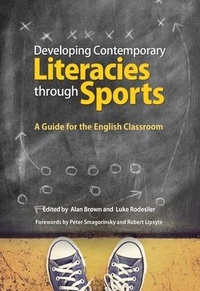
Developing Contemporary Literacies through Sports
A Guide for the English Classroom
Published on 13. September 2016
Book
Paperback/Softback
253 pages
978-0-8141-1095-9 (ISBN)
Description
Love them or loathe them, the prominence of sports in schools and society is undeniable. The emphasis on sports culture presents teachers with countless possibilities for engaging students in the English language arts. Whether appealing to students' passion for sports to advance literacy practices or inviting students to reconsider normalized views by examining sports culture through a critical lens, teachers can make sports a pedagogical ally.
This book, a collection of lessons and commentaries from established teachers, teacher educators, scholars, and authors, will support teachers in turning students' extracurricular interests into legitimate options for academic study. With seven interrelated sections - facilitating literature study, providing alternatives to traditional novels, teaching writing, engaging students in inquiry and research, fostering media and digital literacies, promoting social justice, and developing out-of-school literacies - this collection and its companion website provide numerous resources that support teachers in developing students' contemporary literacies through sports.
Each section includes: - (1) Four lesson plans written by practicing English teachers and teacher educators that focus on a specific topic and/or method of instruction.
- (2) A brief introduction from a leading scholar in the field of English education, including Wendy Glenn, Chris Crowe, Joan F. Mitchell, Jeffrey D. Wilhelm, Carl A. Young, Lisa Scherff, and Thomas Newkirk.
- (3) A closing "author connection" in which contemporary authors of sports-related young adult literature - Alan Lawrence Sitomer, Ann E. Burg, Chris Lynch, Rich Wallace and Sandra Neil Wallace, Lisa Luedeke, Bill Konigsberg, and Chris Crutcher - offer reflections on and connections to the ongoing conversations.
In giving voice to so many literacy educators and authors, including forewords by English teacher educator Peter Smagorinsky and acclaimed sports journalist and fiction and nonfiction writer Robert Lipsyte, as well as an afterword by professor emeritus Joseph O. Milner, editors Alan Brown and Luke Rodesiler have made a giant first step in their call to make public the practice of promoting critical sports literacy as a way of reaching all students in the middle and high school classroom.
This book, a collection of lessons and commentaries from established teachers, teacher educators, scholars, and authors, will support teachers in turning students' extracurricular interests into legitimate options for academic study. With seven interrelated sections - facilitating literature study, providing alternatives to traditional novels, teaching writing, engaging students in inquiry and research, fostering media and digital literacies, promoting social justice, and developing out-of-school literacies - this collection and its companion website provide numerous resources that support teachers in developing students' contemporary literacies through sports.
Each section includes: - (1) Four lesson plans written by practicing English teachers and teacher educators that focus on a specific topic and/or method of instruction.
- (2) A brief introduction from a leading scholar in the field of English education, including Wendy Glenn, Chris Crowe, Joan F. Mitchell, Jeffrey D. Wilhelm, Carl A. Young, Lisa Scherff, and Thomas Newkirk.
- (3) A closing "author connection" in which contemporary authors of sports-related young adult literature - Alan Lawrence Sitomer, Ann E. Burg, Chris Lynch, Rich Wallace and Sandra Neil Wallace, Lisa Luedeke, Bill Konigsberg, and Chris Crutcher - offer reflections on and connections to the ongoing conversations.
In giving voice to so many literacy educators and authors, including forewords by English teacher educator Peter Smagorinsky and acclaimed sports journalist and fiction and nonfiction writer Robert Lipsyte, as well as an afterword by professor emeritus Joseph O. Milner, editors Alan Brown and Luke Rodesiler have made a giant first step in their call to make public the practice of promoting critical sports literacy as a way of reaching all students in the middle and high school classroom.
More details
Language
English
Place of publication
Urbana, IL
United States
Target group
Professional and scholarly
Product notice
Paperback (trade)
Unsewn / adhesive bound
Dimensions
Height: 175 mm
Width: 251 mm
Thickness: 15 mm
Weight
522 gr
ISBN-13
978-0-8141-1095-9 (9780814110959)
Copyright in bibliographic data and cover images is held by Nielsen Book Services Limited or by the publishers or by their respective licensors: all rights reserved.
Schweitzer Classification
Persons
Content
- Part 1: Facilitating Literature Study
- Chapter 1: Developing Critical Literacy through Basketball, Barriers, and Books
- Chapter 2: Beneath the Surface: Ideologies of Multicultural Sports Literature
- Chapter 3: Mapping the Emotional Lives of Characters in The Scorpio Races
- Chapter 4: The Games People Play: Gatsby and the Golden Age of Sports
- Part 2: Providing Alternatives to Traditional Novels
- Chapter 5: Baseball and Graphic Novels: An Effective Approach to Teaching Literature
- Chapter 6: Ball Is Life
- Or Is It? Examining Thematic Perspectives of Basketball in Poetry
- Chapter 7: In the Spotlight: Using Aesthetic Experiences to Unpack "Amigo Brothers"
- Chapter 8: Power, Authorship, and Identity in Texts by and about High-Profile Athletes
- Part 3: Teaching Writing
- Chapter 9: Writing Sports Fiction to Build Empathy and Understanding
- Chapter 10: Cards with Classmates: Writing and Presenting through Trading Cards
- Chapter 11: Teamwork: Collaborative Engagement with Sports Argumentation
- Chapter 12: A Flair for Sports: Teaching Journalistic Writing Using a 3-2-1 Column Approach
- Part 4: Engaging Students in Inquiry and Research
- Chapter 13: The Loneliness of the Long-Distance Runner: Thematic Comparisons across Media
- Chapter 14: "Reel" Stories vs
- "Real" Stories: Uncovering Sports History Fact and Fiction
- Chapter 15: Searching and Synthesizing: Researching Cultural Context in Sports
- Chapter 16: Is Skateboarding a Sport? Inquiring into Nonschool Sports
- Part 5: Fostering Media and Digital Literacies
- Chapter 17: Replicating Research as a Pathway to Digital Literacy Learning
- Chapter 18: Telling Our Own Stories: Using Documentary Film to Profile School Sports Narratives
- Chapter 19: Podcasting Responses to Social Issues in Sports and Popular Culture
- Chapter 20: Satiric Remixes: Crafting Commentaries about Sport and Society
- Part 6: Promoting Social Justice
- Chapter 21: Exploring Racial Stereotypes through Sports-Related Film
- Chapter 22: Disability and Athletics: (Re)Defining "Typical"
- Chapter 23: Using YAL to Interrogate the Heteronormative, Transphobic Culture of School Sports
- Chapter 24: Rewriting for Justice: Breaking Down Bullying in Openly Straight
- Part 7: Developing Out-of-School Literacies
- Chapter 25: Being the Expert: Recognizing and Developing Students' Insider Sports Knowledge
- Chapter 26: Promoting Democracy through Sports, Community, and Dialogue with The Crossover
- Chapter 27: eSports as We-Sports: Exploring Writing Practices through Videogaming
- Chapter 28: Inside Athletes' Writing: The Words behind the Wins (and Losses).
- Chapter 1: Developing Critical Literacy through Basketball, Barriers, and Books
- Chapter 2: Beneath the Surface: Ideologies of Multicultural Sports Literature
- Chapter 3: Mapping the Emotional Lives of Characters in The Scorpio Races
- Chapter 4: The Games People Play: Gatsby and the Golden Age of Sports
- Part 2: Providing Alternatives to Traditional Novels
- Chapter 5: Baseball and Graphic Novels: An Effective Approach to Teaching Literature
- Chapter 6: Ball Is Life
- Or Is It? Examining Thematic Perspectives of Basketball in Poetry
- Chapter 7: In the Spotlight: Using Aesthetic Experiences to Unpack "Amigo Brothers"
- Chapter 8: Power, Authorship, and Identity in Texts by and about High-Profile Athletes
- Part 3: Teaching Writing
- Chapter 9: Writing Sports Fiction to Build Empathy and Understanding
- Chapter 10: Cards with Classmates: Writing and Presenting through Trading Cards
- Chapter 11: Teamwork: Collaborative Engagement with Sports Argumentation
- Chapter 12: A Flair for Sports: Teaching Journalistic Writing Using a 3-2-1 Column Approach
- Part 4: Engaging Students in Inquiry and Research
- Chapter 13: The Loneliness of the Long-Distance Runner: Thematic Comparisons across Media
- Chapter 14: "Reel" Stories vs
- "Real" Stories: Uncovering Sports History Fact and Fiction
- Chapter 15: Searching and Synthesizing: Researching Cultural Context in Sports
- Chapter 16: Is Skateboarding a Sport? Inquiring into Nonschool Sports
- Part 5: Fostering Media and Digital Literacies
- Chapter 17: Replicating Research as a Pathway to Digital Literacy Learning
- Chapter 18: Telling Our Own Stories: Using Documentary Film to Profile School Sports Narratives
- Chapter 19: Podcasting Responses to Social Issues in Sports and Popular Culture
- Chapter 20: Satiric Remixes: Crafting Commentaries about Sport and Society
- Part 6: Promoting Social Justice
- Chapter 21: Exploring Racial Stereotypes through Sports-Related Film
- Chapter 22: Disability and Athletics: (Re)Defining "Typical"
- Chapter 23: Using YAL to Interrogate the Heteronormative, Transphobic Culture of School Sports
- Chapter 24: Rewriting for Justice: Breaking Down Bullying in Openly Straight
- Part 7: Developing Out-of-School Literacies
- Chapter 25: Being the Expert: Recognizing and Developing Students' Insider Sports Knowledge
- Chapter 26: Promoting Democracy through Sports, Community, and Dialogue with The Crossover
- Chapter 27: eSports as We-Sports: Exploring Writing Practices through Videogaming
- Chapter 28: Inside Athletes' Writing: The Words behind the Wins (and Losses).