


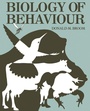
Biology of Behaviour
Mechanisms, functions and applications
Published on 30. October 1981
Book
Hardback
314 pages
978-0-521-23316-3 (ISBN)
Description
First published in 1981, this book is an introduction to studies of the behaviour of a wide variety of animals including man, farm animals and pest species. The approach is ethological and much reference is made to detailed description of behaviour and to biological function, although there is extensive reference to physiology, brain mechanisms and relevant psychological research. Ideas from sociobiology, motivation and learning studies are emphasised. There is, therefore, very broad coverage of the role of behaviour in all aspects of life. Another novel feature is the extensive reference to applied aspects of behaviour, particularly its importance to the production of farm animals and the control of agricultural and medical pests. The book is intelligible to the educated layman but it deals with some complex ideas. It is an adequate text for all requirements in this area for most undergraduates.
More details
Language
English
Place of publication
Cambridge
United Kingdom
Target group
College/higher education
Dimensions
Height: 246 mm
Width: 189 mm
Weight
795 gr
ISBN-13
978-0-521-23316-3 (9780521233163)
Copyright in bibliographic data is held by Nielsen Book Services Limited or its licensors: all rights reserved.
Schweitzer Classification
Other editions
New editions
Book
10/1981
Cambridge University Press
€55.60
Shipment within 15-20 days
Additional editions
Book
10/1981
Cambridge University Press
€55.60
Shipment within 15-20 days
Content
Preface; 1. Introduction; 2. Sensory function: behavioural and physiological evidence; 3. The control of movement; 4. The allocation of resources; 5. Body regulation, maintenance and hazard avoidance behaviour; 6. Feeding; 7. Anti-predator behaviour; 8. Functions of social behaviour and dispersal; 9. Reproductive behaviour, including parent-offspring interactions; 10. The organisation of social groups; References; Indexes.