

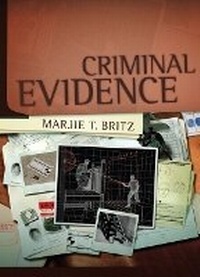
Criminal Evidence
Published on 16. July 2007
Book
Hardback
320 pages
978-0-205-43971-3 (ISBN)
Description
This text provides a comprehensive legal framework of the rules of evidence, highlights key law enforcement issues in the field, and uses "headline cases" to illustrate major points and generate student interest.
Criminal evidence is most often approached from one of two perspectives: legal or law enforcement. This text melds the two perspectives with the aim of providing the most effective and interesting way to present the subject matter. This text presents potentially complicated concepts in a clear, palatable manner.
A key aspect of this text is that it uses current, newsworthy examples; an example is the Louise Woodward case (the murdering Au Pair) discussed in Chapter 2. The text comes with some useful supplements that include PowerPoints, a CD of the most important cases, and a list of videos and websites that are coordinated by chapter and topic. These resources allow an instructor to take an engaging, multi-media approach to the material.
Criminal evidence is most often approached from one of two perspectives: legal or law enforcement. This text melds the two perspectives with the aim of providing the most effective and interesting way to present the subject matter. This text presents potentially complicated concepts in a clear, palatable manner.
A key aspect of this text is that it uses current, newsworthy examples; an example is the Louise Woodward case (the murdering Au Pair) discussed in Chapter 2. The text comes with some useful supplements that include PowerPoints, a CD of the most important cases, and a list of videos and websites that are coordinated by chapter and topic. These resources allow an instructor to take an engaging, multi-media approach to the material.
More details
Language
English
Place of publication
United States
Publishing group
Pearson Education (US)
Target group
Professional and scholarly
Dimensions
Height: 235 mm
Width: 178 mm
Weight
630 gr
ISBN-13
978-0-205-43971-3 (9780205439713)
Copyright in bibliographic data and cover images is held by Nielsen Book Services Limited or by the publishers or by their respective licensors: all rights reserved.
Schweitzer Classification
Other editions
New editions
Person
Dr. Marjie T. Britz is an associate professor of criminal justice at Clemson University. She holds a bachelors of science in forensic science from Jacksonville State University, a masters of science in police administration, and a doctorate of philosophy in criminal justice from Michigan State University. She has published extensively in the areas of computer crime, organized crime, and the police subculture. She has acted as a consultant to a variety of organizations, and provided training to an assortment of law enforcement agencies. In addition, she has served on editorial and supervisory boards in both academic and practitioner venues. Some of her recent books are: Organized Crime: A Worldwide Persepctive; Computer Forensics and Cybercrime; and, From Lucky Luciano to Tony Soprano: A History of Italian Organized Crime in America.
Content
I. Introduction
a. The history of law and legal process
b. Sources of Law in the American System
c. Rules of Evidence
d. Defining Evidence
e. Conclusions
II. The American Criminal Court System
a. Jurisdiction, Federalism, & Sovereignty
b. The Federal Courts
c. The State Courts
d. Courtroom Actors
e. The Criminal Process
III. Forms of Evidence a. Introduction b. Real Evidence
c. Direct and Circumstantial Evidence
d. Substitutions for Evidence
e. Conclusions
IV. Doctrine of Justification
a. Introduction
b. Probable Cause
c. Reasonable Suspicion
d. Beyond a Reasonable Doubt
e. The Expectation of Privacy
f. Warrants
g. Types of Warrants
h. Conclusions
V. The Exclusion of Evidence
a. The Exclusionary Rule
b. Exceptions to the Exclusionary Rule
c. Areas Unprotected by the Exclusionary Rule
d. Conclusions
VI. Warrantless Arrests and Searches
a. Generally
b. Investigation Detention
c. Seizures and Investigative Detentions
d. Plain View
e. "Plain Feel" Doctrine
f. Incident to Arrest
g. Automobile Searches
h. Consent
i. Administrative Justifications and the Special Needs of Government
j. Conclusions
VII. Confessions and the 5th Amendment
a. The Fifth Amendment
b. Self-incrimination
c. Co-Conspirator's/Co-Defendant's Confessions, the Bruton Rule, and the Sixth Amendment
d. Constraints on Law Enforcement: Promises, Threats, Physical Coercion, and the Law
e. Situations where the 5th Amendment Does Not Apply
f. Conclusions
VIII. Witnesses - competency, credibility and impeachment
a. Introduction
b. Qualifications of Witnesses
c. Competency
d. Witness Credibility
IX. EXAMINATION OF WITNESSES a. Types of Witnesses
b. The Examination of Witnesses
c. Competency, Relevancy, and Materiality
d. Corroboration
e. Conclusions
X. Hearsay a. Generally
b. Defining Hearsay
c. Defining Non-Hearsay Statements
d. Theory & Exceptions
e. Other Issues in Hearsay
f. Conclusions
XI. Privileged Communications a. Generally - A Brief History
b. Attorney-Client
c. Spousal Privileges
d. Physician-Patient
e. Psychotherapist-Patient Privilege
f. Clergy-Communicant/Priest-Penitent Privilege
g. Media-Source Privilege
h. Government Privileges
i. Miscellaneous Privileges
j. Conclusions
XII. Documentary and Scientific Evidence
a. Introduction
b. Exclusion of Evidence
c. Proffering of Physical Evidence
d. Documentary Evidence
e. Scientific Evidence
f. Conclusions
XIII. Cyber-Evidence & Demonstrative Evidence
a. Cyber-Evidence b. Demonstrative Evidence
c. Conclusion
a. The history of law and legal process
b. Sources of Law in the American System
c. Rules of Evidence
d. Defining Evidence
e. Conclusions
II. The American Criminal Court System
a. Jurisdiction, Federalism, & Sovereignty
b. The Federal Courts
c. The State Courts
d. Courtroom Actors
e. The Criminal Process
III. Forms of Evidence a. Introduction b. Real Evidence
c. Direct and Circumstantial Evidence
d. Substitutions for Evidence
e. Conclusions
IV. Doctrine of Justification
a. Introduction
b. Probable Cause
c. Reasonable Suspicion
d. Beyond a Reasonable Doubt
e. The Expectation of Privacy
f. Warrants
g. Types of Warrants
h. Conclusions
V. The Exclusion of Evidence
a. The Exclusionary Rule
b. Exceptions to the Exclusionary Rule
c. Areas Unprotected by the Exclusionary Rule
d. Conclusions
VI. Warrantless Arrests and Searches
a. Generally
b. Investigation Detention
c. Seizures and Investigative Detentions
d. Plain View
e. "Plain Feel" Doctrine
f. Incident to Arrest
g. Automobile Searches
h. Consent
i. Administrative Justifications and the Special Needs of Government
j. Conclusions
VII. Confessions and the 5th Amendment
a. The Fifth Amendment
b. Self-incrimination
c. Co-Conspirator's/Co-Defendant's Confessions, the Bruton Rule, and the Sixth Amendment
d. Constraints on Law Enforcement: Promises, Threats, Physical Coercion, and the Law
e. Situations where the 5th Amendment Does Not Apply
f. Conclusions
VIII. Witnesses - competency, credibility and impeachment
a. Introduction
b. Qualifications of Witnesses
c. Competency
d. Witness Credibility
IX. EXAMINATION OF WITNESSES a. Types of Witnesses
b. The Examination of Witnesses
c. Competency, Relevancy, and Materiality
d. Corroboration
e. Conclusions
X. Hearsay a. Generally
b. Defining Hearsay
c. Defining Non-Hearsay Statements
d. Theory & Exceptions
e. Other Issues in Hearsay
f. Conclusions
XI. Privileged Communications a. Generally - A Brief History
b. Attorney-Client
c. Spousal Privileges
d. Physician-Patient
e. Psychotherapist-Patient Privilege
f. Clergy-Communicant/Priest-Penitent Privilege
g. Media-Source Privilege
h. Government Privileges
i. Miscellaneous Privileges
j. Conclusions
XII. Documentary and Scientific Evidence
a. Introduction
b. Exclusion of Evidence
c. Proffering of Physical Evidence
d. Documentary Evidence
e. Scientific Evidence
f. Conclusions
XIII. Cyber-Evidence & Demonstrative Evidence
a. Cyber-Evidence b. Demonstrative Evidence
c. Conclusion