


How to Read a Building
Published on 2. July 2007
Book
Paperback/Softback
192 pages
978-0-00-724746-2 (ISBN)
Description
Architecture is all around us - it is part of our lives, and its development is a central theme in the history of mankind. Learning to read a building is the route to understanding a major part of our cultural inheritance.
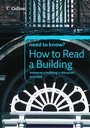
Collins Need to Know? How to Read a Building shows you how to analyse and interpret architectural features with confidence.
Have you ever wanted to be able to tell the difference between tudor and mock-tudor? Want to learn what components make a building gothic? Ever wondered what has influenced how our towns and cities were built? Want to understand the major traditions of architecture?
Collins Need to Know? How to Read a Building takes the reader through the process of learning more about the built environment. Starting with the basics of analysing the home, then moving onto looking at public buildings and larger and more well-known structures, Timothy Brittain-Catlin shows the reader how features are inherited and copied, as well as adapted with each new generation.
Whether you live in a small flat or detached house, you can find traces of architectural history - and learn to interpret the features you see and put them into the wider context of your surroundings. This book will help you start to uncover fascinating aspects of architectural style and history from the buildings you pass every day.
Contents:
Introduction: Architecture is for everyone
Chapter 1: The elements of architecture
Chapter 2: The Classical tradition
Chapter 3: The Gothic tradition
Chapter 4: The Nineteenth century
Chapter 5: Architecture since 1900
Chapter 6: Thinking Architecturally
Also contains comprehensive glossary of terms and quick reference ID guides.
Collins Need to Know? How to Read a Building shows you how to analyse and interpret architectural features with confidence.
Have you ever wanted to be able to tell the difference between tudor and mock-tudor? Want to learn what components make a building gothic? Ever wondered what has influenced how our towns and cities were built? Want to understand the major traditions of architecture?
Collins Need to Know? How to Read a Building takes the reader through the process of learning more about the built environment. Starting with the basics of analysing the home, then moving onto looking at public buildings and larger and more well-known structures, Timothy Brittain-Catlin shows the reader how features are inherited and copied, as well as adapted with each new generation.
Whether you live in a small flat or detached house, you can find traces of architectural history - and learn to interpret the features you see and put them into the wider context of your surroundings. This book will help you start to uncover fascinating aspects of architectural style and history from the buildings you pass every day.
Contents:
Introduction: Architecture is for everyone
Chapter 1: The elements of architecture
Chapter 2: The Classical tradition
Chapter 3: The Gothic tradition
Chapter 4: The Nineteenth century
Chapter 5: Architecture since 1900
Chapter 6: Thinking Architecturally
Also contains comprehensive glossary of terms and quick reference ID guides.
More details
Series
Language
English
Place of publication
London
United Kingdom
Publishing group
HarperCollins Publishers
Product notice
Unsewn / adhesive bound
Paperback (UK-trade)
Dimensions
Height: 210 mm
Width: 148 mm
Thickness: 12 mm
Weight
400 gr
ISBN-13
978-0-00-724746-2 (9780007247462)
Copyright in bibliographic data is held by Nielsen Book Services Limited or its licensors: all rights reserved.
Schweitzer Classification
Other editions
Additional editions
Person
Timothy Brittain-Catlin is an architectural historian, architect and writer on architecture. He teaches at the Kent School of Architecture, University of Kent, at Canterbury. He has worked in Israel on urban renewal schemes, and taught at the Israeli Bezalel Academy of Art and Design, Jerusalem. He contributes to the Architectural Review, writes regular features for the World of Interiors, and also designed his own house, the Millennium Villa.