

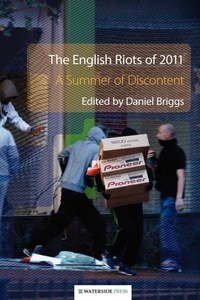
The English Riots of 2011
A Summer of Discontent
Published on 10. September 2012
Book
Paperback/Softback
432 pages
978-1-904380-88-7 (ISBN)
Description
From Facebook, Twitter, BlackBerry and gossip to hard facts, research and empirical investigation, this outstanding collection looks at the nature and causes of the English Riots of 2011 one year after they occurred. Though worrying in their nature, speed and scale, the book points out that rioting is nothing new - even if technological advances have altered their 'organization', the way in which the police respond and the incessant nature of media coverage. From 'moral panics' to 'broken Britain' and anxieties about youth crime, the book looks at various flashpoints of the riots such as the killing of Mark Duggan by police marksmen, the widespread looting, the political and criminal justice responses and a growing discontent about the current neoliberal order. The book rejects Coalition Prime Minister David Cameron's much-publicized assertion that these events were 'criminality, pure and simple', just as it counters attempts to lay blame on sections of the community or 'outsiders'.
Looking at phenomena such as 'shopping for free' and the idea that the lawlessness represented some kind of instant carnival, it concentrates on how order was restored and individuals fast-tracked via police cells and courts into harsh sentences as well as issues of marginality, hopelessness, political and economic corruption and media distortions. Wide-ranging and expert in its analysis, it also considers the modern-day global context for riots as well as comparing Brixton 1981 and other iconic events of the past. Further highlights include: the role of new social media in terms of recruitment, resistance, and surveillance; the role of the urban street gang; gender, racialization, resentment, post-riot rhetoric and the profiling the 2011 rioters. It looks at how the riots spread to other cities in the UK including Manchester, Liverpool and Birmingham - as well as examining events and attitudes in places such as Spain, Greece, and those of the Arab Spring. * Contextualises the 2011 London Riots and applies historical, cultural, structural and social perspectives on the events * Asks Who, When and Why? * Includes first-hand accounts from 2011 rioters, victims and the public.
* Looks at their aftermath, the wider picture and global social unrest
Looking at phenomena such as 'shopping for free' and the idea that the lawlessness represented some kind of instant carnival, it concentrates on how order was restored and individuals fast-tracked via police cells and courts into harsh sentences as well as issues of marginality, hopelessness, political and economic corruption and media distortions. Wide-ranging and expert in its analysis, it also considers the modern-day global context for riots as well as comparing Brixton 1981 and other iconic events of the past. Further highlights include: the role of new social media in terms of recruitment, resistance, and surveillance; the role of the urban street gang; gender, racialization, resentment, post-riot rhetoric and the profiling the 2011 rioters. It looks at how the riots spread to other cities in the UK including Manchester, Liverpool and Birmingham - as well as examining events and attitudes in places such as Spain, Greece, and those of the Arab Spring. * Contextualises the 2011 London Riots and applies historical, cultural, structural and social perspectives on the events * Asks Who, When and Why? * Includes first-hand accounts from 2011 rioters, victims and the public.
* Looks at their aftermath, the wider picture and global social unrest
Reviews / Votes
'An admirably critical perspective not just on the riots, but also on the shrill reaction they provoked in others': Runnymede Bulletin. 'Excellent - especially Daniel Briggs' detailed overview of what actually happened, Tim Bateman's investigation into whether the individuals who took part in the disturbances were opportunists or individuals expressing their discontentment and the feminist critique of the involvement of girls and young women': Sean Creaney, Lecturer in Childhood and Youth Studies (Salford), Trustee of the National Association for Youth Justice.More details
Language
English
Place of publication
Winchester
United Kingdom
Target group
College/higher education
Dimensions
Height: 234 mm
Width: 156 mm
Thickness: 24 mm
Weight
655 gr
ISBN-13
978-1-904380-88-7 (9781904380887)
Copyright in bibliographic data and cover images is held by Nielsen Book Services Limited or by the publishers or by their respective licensors: all rights reserved.
Schweitzer Classification
Other editions
Additional editions
E-Book
09/2012
1st Edition
Waterside Press
€36.99
Available for download
Daniel Briggs
English Riots of 2011
E-Book
09/2012
1st Edition
Waterside Press
€36.99
Available for download
Person
Editor Dr Daniel Briggs is a Reader in Criminology and Criminal Justice at the University of East London who also works with the most vulnerable people to the most dangerous and the most misunderstood. His work has taken him into prisons, crack houses, mental health institutions, asylum institutions, hostels, care homes, hospices and places for the homeless. He is the author of Crack Cocaine Users: High Society and Low Life in South London (Routledge, 2011). Contributors In this book he is assisted by contributions from some 20 leading commentators, including Geoffrey Pearson, Steve Hall, Simon Winlow, Axel Klein, Tim Bateman, Liz Kelly and Aisha K. Gill.
Content
Part 1: Rioting in Context Part 2: Who, How and Why? Part 3: The Aftermath Part 4: The Wider Picture: Social Change and Global Discontent