

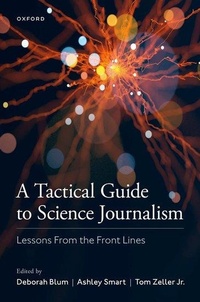
A Tactical Guide to Science Journalism
Lessons From the Front Lines
Published on 24. November 2022
Book
Paperback/Softback
360 pages
978-0-19-755150-9 (ISBN)
Description
A Tactical Guide to Science Journalism brings together award-winning journalists from around the world to share fascinating tales of science and how it works and to provide guidance into reporting specialties like infectious disease, climate change, astronomy, public health, physics, and statistics. From practical advice on finding sources and distilling complex research subjects for a general audience, to tips on how to cover science in authoritarian regimes, the book serves as an essential survey of the best in science reporting today--and a testament to the importance of independent journalistic inquiry in understanding research and building trust with audiences. Drawing insights from writers based at publications including The New York Times, the BBC, The Washington Post, Science, The New Yorker, National Geographic and more, this guide is designed to help journalists everywhere improve their craft and serve as a valuable resource for those seeking to understand the profession at its best.
Reviews / Votes
A treasure trove of advice from some of the best in the business, this book is an invaluable guide for anyone looking to submerge themselves in the rich, complex, and demanding world of science journalism. * Ed Yong, Pulitzer-Prize winning science writer for The Atlantic and best-selling author of I Contain Multitudes * An essential and knowing companion for students, instructors, and professionals alike, the book treats readers to a diverse array of beautifully written expert perspectives about science journalism. * Mariette DiChristina, Dean and Professor of Practice, School of Communications, Boston University *More details
Language
English
Place of publication
New York
United States
Target group
Professional and scholarly
Product notice
Paperback (trade)
Unsewn / adhesive bound
Dimensions
Height: 235 mm
Width: 156 mm
Thickness: 22 mm
Weight
496 gr
ISBN-13
978-0-19-755150-9 (9780197551509)
Copyright in bibliographic data and cover images is held by Nielsen Book Services Limited or by the publishers or by their respective licensors: all rights reserved.
Schweitzer Classification
Other editions
Additional editions
Deborah Blum | Ashley Smart | Tom Zeller Jr.
A Tactical Guide to Science Journalism
Lessons From the Front Lines
E-Book
05/2022
OUP eBook
€15.49
Available for download
Deborah Blum | Ashley Smart | Tom Zeller Jr.
A Tactical Guide to Science Journalism
Lessons From the Front Lines
E-Book
05/2022
OUP eBook
€15.49
Available for download
Persons
Deborah Blum is Director of the Knight Science Journalism Program at MIT and publisher of Undark magazine. She is a Pulitzer-prize winning American science journalist, columnist, and author of six books, most recently the 2018 New York Times Notable Book, The Poison Squad.
Ashley Smart is Associate Director of the Knight Science Journalism Program at MIT and a senior editor at Undark magazine. He was previously the features editor at Physics Today magazine and a co-founder of the science news blog HBSciU.com.
Tom Zeller Jr. is a former Knight Science Journalism Fellow (2013-14) and the editor in chief of Undark Magazine. Previously he spent two decades covering technology, energy policy, climate change, and the environment for a variety of publications, including 12 years as a staff writer and editor at The New York Times.
Ashley Smart is Associate Director of the Knight Science Journalism Program at MIT and a senior editor at Undark magazine. He was previously the features editor at Physics Today magazine and a co-founder of the science news blog HBSciU.com.
Tom Zeller Jr. is a former Knight Science Journalism Fellow (2013-14) and the editor in chief of Undark Magazine. Previously he spent two decades covering technology, energy policy, climate change, and the environment for a variety of publications, including 12 years as a staff writer and editor at The New York Times.
Content
INTRODUCTION
Deborah Blum, Ashley Smart, and Tom Zeller Jr.
PART 1: Foundations
Chapter 1. How Science Works
Nsikan Akpan
Chapter 2. Finding and Vetting Sources
Azeen Ghorashi
Chapter 3. Journals, Peer Review, and Preprints
Ivan Oransky
Chapter 4. Working With Statistics
Maggie Koerth
Chapter 5. Fact Checking
Brooke Borel
PART 2: The Craft of Storytelling
Chapter 6. A Foundation in News
Alicia Chang
Chapter 7. Story Structure
Deborah Blum
Chapter 8. Audio Storytelling
Elana Gordon
Chapter 9. Film and Video Storytelling
Ian Cheney
Chapter 10, Multimedia Storytelling
Jeffery DelViscio
Chapter 11. Data Storytelling
Charles Seife
Chapter 12. Opinion Writing
Bina Venkataraman
Chapter 13. Magazine Writing
Paige Williams
Chapter 14 Book Writing
Dan Fagin
PART 3: Investigative Journalism
Chapter 15. Investigative Science Journalism
Katherine Eban
Chapter 16. Accessing Public Records
Michael Morisy
Chapter 17. The Art of the Interview
Pallab Ghosh
Chapter 18. Cybersecurity and Protecting Sources
Andrada Fiscutean
Chapter 19. The Public Information Machine
James Glanz
PART 4: Covering Science Beats
Chapter 20. Medicine
Sabriya Rice
Chapter 21. Infectious Diseases
Helen Branswell
Chapter 22. Public Health
Julia Belluz
Chapter 23. Social Sciences
Sujata Gupta
Chapter 24. Science and Justice
Rod McCullom
Chapter 25. Physics
Ashley Smart
Chapter 26. Genetics
Antonio Regalado
Chapter 27. Technology
Megan Molteni
Chapter 28. Space
Nadia Drake
Chapter 29. Climate
Sarah Kaplan
Chapter 30. Conservation and Wildlife
Rachel Nuwer
Chapter 31. Earth Sciences
Betsy Mason
Chapter 32. Mathematics
Jennifer Ouellette
Chapter 33. Science Policy
Dan Vergano
Chapter 34. Artificial Intelligence
Matthew Hutson
Chapter 35. Cybersecurity and National Security
Kim Zetter
PART 5: Metrics, Models, and Marketing
Chapter 36. New Models for Science Media
Thomas Lin
Chapter 37. Measuring Success in Science Journalism
Kate Travis
Chapter 38. Social Media in Science Journalism
Liz Neporent
Chapter 39 Building Trust and Navigating Mistrust
Apoorva Mandavilli
Chapter 40 Marketing Your Stories
Jason Penchoff
PART 6: The Global Picture
Chapter 41. Narrative Reporting Abroad
Martin Enserink
Chapter 42. Reporting in Authoritarian Regimes
Richard Stone
Chapter 43. Collaborative Journalism Across Borders
Ivan Carrillo
Chapter 44. Reporting in the Global South
Esther Nakkazi
EPILOGUE
Stay Curious and Question Everything Tom Zeller Jr.
RESOURCES
Deborah Blum, Ashley Smart, and Tom Zeller Jr.
PART 1: Foundations
Chapter 1. How Science Works
Nsikan Akpan
Chapter 2. Finding and Vetting Sources
Azeen Ghorashi
Chapter 3. Journals, Peer Review, and Preprints
Ivan Oransky
Chapter 4. Working With Statistics
Maggie Koerth
Chapter 5. Fact Checking
Brooke Borel
PART 2: The Craft of Storytelling
Chapter 6. A Foundation in News
Alicia Chang
Chapter 7. Story Structure
Deborah Blum
Chapter 8. Audio Storytelling
Elana Gordon
Chapter 9. Film and Video Storytelling
Ian Cheney
Chapter 10, Multimedia Storytelling
Jeffery DelViscio
Chapter 11. Data Storytelling
Charles Seife
Chapter 12. Opinion Writing
Bina Venkataraman
Chapter 13. Magazine Writing
Paige Williams
Chapter 14 Book Writing
Dan Fagin
PART 3: Investigative Journalism
Chapter 15. Investigative Science Journalism
Katherine Eban
Chapter 16. Accessing Public Records
Michael Morisy
Chapter 17. The Art of the Interview
Pallab Ghosh
Chapter 18. Cybersecurity and Protecting Sources
Andrada Fiscutean
Chapter 19. The Public Information Machine
James Glanz
PART 4: Covering Science Beats
Chapter 20. Medicine
Sabriya Rice
Chapter 21. Infectious Diseases
Helen Branswell
Chapter 22. Public Health
Julia Belluz
Chapter 23. Social Sciences
Sujata Gupta
Chapter 24. Science and Justice
Rod McCullom
Chapter 25. Physics
Ashley Smart
Chapter 26. Genetics
Antonio Regalado
Chapter 27. Technology
Megan Molteni
Chapter 28. Space
Nadia Drake
Chapter 29. Climate
Sarah Kaplan
Chapter 30. Conservation and Wildlife
Rachel Nuwer
Chapter 31. Earth Sciences
Betsy Mason
Chapter 32. Mathematics
Jennifer Ouellette
Chapter 33. Science Policy
Dan Vergano
Chapter 34. Artificial Intelligence
Matthew Hutson
Chapter 35. Cybersecurity and National Security
Kim Zetter
PART 5: Metrics, Models, and Marketing
Chapter 36. New Models for Science Media
Thomas Lin
Chapter 37. Measuring Success in Science Journalism
Kate Travis
Chapter 38. Social Media in Science Journalism
Liz Neporent
Chapter 39 Building Trust and Navigating Mistrust
Apoorva Mandavilli
Chapter 40 Marketing Your Stories
Jason Penchoff
PART 6: The Global Picture
Chapter 41. Narrative Reporting Abroad
Martin Enserink
Chapter 42. Reporting in Authoritarian Regimes
Richard Stone
Chapter 43. Collaborative Journalism Across Borders
Ivan Carrillo
Chapter 44. Reporting in the Global South
Esther Nakkazi
EPILOGUE
Stay Curious and Question Everything Tom Zeller Jr.
RESOURCES