

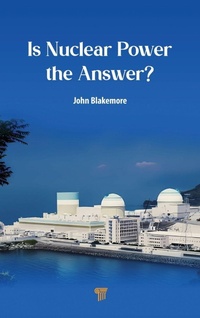
Is Nuclear Power the Answer?
1st Edition
Published on 3. June 2025
Book
Hardback
116 pages
978-981-5129-69-4 (ISBN)
Description
This book is designed to recalibrate the discussion on whether nuclear power is the best option for energy generation in the future. It emphasizes the significant differences in power generation between renewables, specifically photovoltaics and wind power, and points out the advantages and disadvantages of both. It also highlights the renewable experiment being emphasized in Australia and compares this approach with that adopted by the rest of the world. It is a vital addition to the discussion written by a scientist, engineer and mathematician with extensive global experience in industrial processes and engineering quality systems.
Reviews / Votes
"It is important to consider all of the alternatives when discussing the future of energy in Australia. This book provides information with reference to the decisions that will have to be made-such as changing the laws in Australia so we can at least put nuclear energy on the table."Dick Smith
Entrepreneur, Philanthropist, Companion of the Order of Australia
"John Blakemore has provided a compact and informative text on the future energy choices that we face in Australia. Moreover, he has taken a fresh approach to considering the relative advantages of the nuclear option versus fossil fuel and renewable alternatives, which makes a significant contribution to this critically important debate. This book is rich in evidence-based logic and science-based analysis about one of the most important policy topics facing the human race in this century: energy and climate change."
Prof. Danny Samson
University of Melbourne, Australia
More details
Language
English
Place of publication
Singapore
Target group
College/higher education
Professional and scholarly
Academic and Postgraduate
Illustrations
18 farbige Abbildungen, 10 s/w Photographien bzw. Rasterbilder, 8 Farbfotos bzw. farbige Rasterbilder, 8 s/w Zeichnungen, 10 farbige Zeichnungen, 18 s/w Abbildungen
10 Line drawings, color; 8 Line drawings, black and white; 8 Halftones, color; 10 Halftones, black and white; 18 Illustrations, color; 18 Illustrations, black and white
Dimensions
Height: 235 mm
Width: 157 mm
Thickness: 12 mm
Weight
356 gr
ISBN-13
978-981-5129-69-4 (9789815129694)
Copyright in bibliographic data and cover images is held by Nielsen Book Services Limited or by the publishers or by their respective licensors: all rights reserved.
Schweitzer Classification
Other editions
Additional editions
John Blakemore
Is Nuclear Power the Answer?
E-Book
06/2025
1st Edition
Taylor & Francis
€49.99
Available for download
John Blakemore
Is Nuclear Power the Answer?
E-Book
06/2025
1st Edition
Taylor & Francis
€49.99
Available for download
Person
John Blakemore is an accomplished pianist, sailor, consultant engineer, nuclear technologist, scientist, widely recognized polymath and an adjunct professor at the University of Newcastle, Australia. He has consulted to significant clients in Germany, France, Italy, Japan and China. He has invented and developed numerous business processes in a wide range of businesses, served on the boards of numerous companies and has been an adviser to former prime ministers on innovation. He also invented a procedure in 1991 to save his eyesight. Dr. Blakemore was the leader of the quality revolution in Australia with his book The Quality Solution and earlier led the first quality system in Australia in 1981.
Content
1. Introduction
2. What Is Nuclear Energy?
2.1. Introduction
2.2. The Atom
2.3. The Periodic Table
2.4. Energy Production
2.5. Einstein
2.6. Energy = Mass times (Velocity of Light Squared)
2.7. Quantum Mechanics and the Quantum Computer
2.8. Light
2.9. Oppenheimer
2.10. Source of Energy: Fission
2.11. Fusion
2.12. Nuclear Fission: How a Fission Nuclear Power Reactor Works
2.13. Regulatory and Licensing of a Nuclear Reactor
2.14. The Steel Pressure Vessel
2.15. Types of Nuclear Reactors Currently in Use in
2.16. SMR Lower Cost
2.17. SMR Improved Safety
2.18. SMR Versatility
2.19. SMR Waste
2.20. The Versatility of SMRs
2.21. Technology Is a Growing Organism
2.22. History of SMR Development
2.23. The Appropriateness of SMRs to Satisfy Australia's Needs
2.24. Most Common Nuclear Reactors
2.25. Boiling Light Water Reactors and
2.26. Waste Control
2.27. Nuclear Reactors Have Spontaneously Occurred in Nature
2.28. Nuclear Power Costs
2.29. Cost of Building Nuclear Reactors
2.30. Conclusions
3. Climate Change
3.1. The Greenhouse Effect
3.2. Our Beautiful Planet
3.3. The Sun
3.4. The Earth's Tilt
3.5. Greenhouse Gases
3.6. CO2 Production by Country
3.7. Dangers of Excessive Heat Caused by Global Warming
3.8. Rain and Floods
4. Renewables: An Overview
4.1. Nuclear Energy and the Sun
4.2. Energy Needs
4.3. Emission Percentages by Sector
4.4. Wind Power
4.5. Noise Levels
4.6. Biomass
4.7. Solar Energy Production (Photovoltaics)
4.8. Perovskite Solar Cells
4.9. Snowy 2.0 Hydro
5. The Cost of Energy (Levelized Cost of Electricity)
5.1. The Cost of Electricity: Economics of Nuclear Power-The LCOE Equation
5.2. Fossil Fuels
5.3. The Temperature of the Sun
5.4. The Cost of Electricity
5.5. SMR Costs from the CSIRO GenCost and Overseas Values
5.6. Appendices of Significance in GenCost (2023-2024) Report
5.7. Discussion
5.8. Special Notes
5.9. My Letter to CSIRO Lead Author, Dr Paul Graham, Regarding the Cost of Electricity
5.10. Electricity Costs Quoted Overseas
6. Benefits and Possible Dangers of Nuclear Energy
6.1. Radiation Exposure
6.2. OPAL
6.3. Other Measurements of Radiation Dose
6.4. Medical Uses of Nuclear Radiation
6.5. Nuclear Accidents
6.6. Nuclear Disarmament
7. Conclusion
2. What Is Nuclear Energy?
2.1. Introduction
2.2. The Atom
2.3. The Periodic Table
2.4. Energy Production
2.5. Einstein
2.6. Energy = Mass times (Velocity of Light Squared)
2.7. Quantum Mechanics and the Quantum Computer
2.8. Light
2.9. Oppenheimer
2.10. Source of Energy: Fission
2.11. Fusion
2.12. Nuclear Fission: How a Fission Nuclear Power Reactor Works
2.13. Regulatory and Licensing of a Nuclear Reactor
2.14. The Steel Pressure Vessel
2.15. Types of Nuclear Reactors Currently in Use in
2.16. SMR Lower Cost
2.17. SMR Improved Safety
2.18. SMR Versatility
2.19. SMR Waste
2.20. The Versatility of SMRs
2.21. Technology Is a Growing Organism
2.22. History of SMR Development
2.23. The Appropriateness of SMRs to Satisfy Australia's Needs
2.24. Most Common Nuclear Reactors
2.25. Boiling Light Water Reactors and
2.26. Waste Control
2.27. Nuclear Reactors Have Spontaneously Occurred in Nature
2.28. Nuclear Power Costs
2.29. Cost of Building Nuclear Reactors
2.30. Conclusions
3. Climate Change
3.1. The Greenhouse Effect
3.2. Our Beautiful Planet
3.3. The Sun
3.4. The Earth's Tilt
3.5. Greenhouse Gases
3.6. CO2 Production by Country
3.7. Dangers of Excessive Heat Caused by Global Warming
3.8. Rain and Floods
4. Renewables: An Overview
4.1. Nuclear Energy and the Sun
4.2. Energy Needs
4.3. Emission Percentages by Sector
4.4. Wind Power
4.5. Noise Levels
4.6. Biomass
4.7. Solar Energy Production (Photovoltaics)
4.8. Perovskite Solar Cells
4.9. Snowy 2.0 Hydro
5. The Cost of Energy (Levelized Cost of Electricity)
5.1. The Cost of Electricity: Economics of Nuclear Power-The LCOE Equation
5.2. Fossil Fuels
5.3. The Temperature of the Sun
5.4. The Cost of Electricity
5.5. SMR Costs from the CSIRO GenCost and Overseas Values
5.6. Appendices of Significance in GenCost (2023-2024) Report
5.7. Discussion
5.8. Special Notes
5.9. My Letter to CSIRO Lead Author, Dr Paul Graham, Regarding the Cost of Electricity
5.10. Electricity Costs Quoted Overseas
6. Benefits and Possible Dangers of Nuclear Energy
6.1. Radiation Exposure
6.2. OPAL
6.3. Other Measurements of Radiation Dose
6.4. Medical Uses of Nuclear Radiation
6.5. Nuclear Accidents
6.6. Nuclear Disarmament
7. Conclusion