

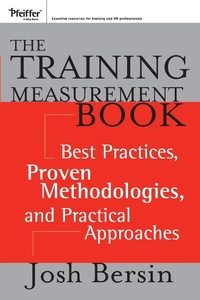
The Training Measurement Book
Best Practices, Proven Methodologies, and Practical Approaches
1st Edition
Published on 27. February 2013
Book
Paperback/Softback
272 pages
978-1-118-68240-1 (ISBN)
Description
The Training Measurement Book offers managers, executives, and training and human resource professionals a method for measuring their investments in a way that provides information that is both actionable, credible, and meaningful to corporate leaders. Using the methods outlined in this important resource, you can free yourself from traditional, often cumbersome measurement models and put in place pragmatic, useful, and easy-to-implement approaches for measuring training activities.
More details
Language
English
Place of publication
United States
Publishing group
John Wiley & Sons Inc
Product notice
Paperback (trade)
Unsewn / adhesive bound
Dimensions
Height: 230 mm
Width: 155 mm
Thickness: 15 mm
Weight
381 gr
ISBN-13
978-1-118-68240-1 (9781118682401)
Copyright in bibliographic data and cover images is held by Nielsen Book Services Limited or by the publishers or by their respective licensors: all rights reserved.
Schweitzer Classification
Other editions
Additional editions

Josh Bersin
The Training Measurement Book
Best Practices, Proven Methodologies, and Practical Approaches
Book
04/2008
Jossey-Bass
€68.27
Article exhausted; check different version
Person
Josh Bersin is the president and founder of Bersin & Associates, a leading industry research and advisory firm in enterprise learning and talent management. Bersin is the author of The Blended Learning Book from Pfeiffer, and The High-Impact Learning Organization and High Impact Talent Management.
Content
Introduction 1
The Challenge of Training Measurement 1
Need for New Measurement Models 3
Structure of This Book 6
Methodology for This Research 9
A Personal Comment 10
Chapter 1: General Principles of Training Measurement 13
1. Measurement Should Deliver Actionable Information 13
2. A Measurement Program Should Not Be Designed to Cost-Justify Training 20
3. Measure Training as a Support Function 22
4. A Measurement Program Must Meet the Needs of Multiple Audiences 26
5. Measurement Should Be a Process, Not a Project 27
6. The LMS Is a Foundation for Measurement 31
7. Dedicate Resources 33
8. Start Simply and Evolve Over Time 34
Chapter 2: The Pros and Cons of Using ROI 37
ROI Analysis Assumes That Training Is Treated as an Investment 38
In-Depth ROI Measurements Are Often Diffi cult to Believe 42
In Concept, the ROI of Training Should Be Extraordinarily High 44
It is Very Difficult to Correlate Outcomes Specifically to Training 46
How Do You Make ROI Actionable? 48
Use of "Potential ROI" During Performance Consulting 48
"Performance-Driven" Versus "Talent-Driven" Training 50
Don't Let ROI Become "Return on Insecurity" 53
Chapter 3: Limitations of the Kirkpatrick Model 57
The Kirkpatrick Levels Are Not a Complete Model 58
The Model Incorrectly Positions the Levels as a Hierarchy 62
The Kirkpatrick Model Ignores the Role of Training as a Service-Delivery Function 63
Kirkpatrick Misses Other Operational Measures 66
One Alternative: The Six-Sigma Approach to Measurement 68
Another Alternative: The Success Case MethodTM 68
Chapter 4: The Impact Measurement Framework 71
The Business Impact Model 73
The Impact Measurement Framework 87
Summary of the Framework 103
Program versus Organizational Measures 103
How to Use the Measurement Framework 106
Summary of the Measurement Models 106
Chapter 5: Implementation: The Seven-Step Training Measurement Process 109
The Seven-Step Program Measurement Process 109
Best Practices in Implementation 123
How to Start 129
Chapter 6: Measurement of Business Impact 139
Simplifying the Problem 140
Use Line-of-Business-Specific Measures 141
Integrate with Performance Management Processes 148
Chapter 7: Measurement of Alignment 153
Caterpillar's Planning and Budgeting Process 154
CNA Insurance Training Investment Model 156
How Do You Measure Alignment? 157
Chapter 8: Attainment: Measurement of Customer Satisfaction 163
The Six Sigma Approach 163
How Do You Operationalize the Measurement of Customer Satisfaction? 166
Chapter 9: Measurement Tools and Technologies 169
The Role of the LMS 169
Training Analytics and Advanced Reporting 172
The KnowledgeAdvisors Solution 174
CLO Dashboard by Zeroed-In Technologies 175
Chapter 10: The Journey Forward: Focus on What Matters 179
Appendix I: Case Study A: Randstad Measures Onboarding 185
Randstad Overview 185
The Business Problem 186
The Solution 187
Results 191
Lessons Learned 196
Next Steps 196
Appendix II: Case Study B: HP Develops an Integrated Measurement Process 199
HP Measurement Goals 199
HP Systematic Approach 200
Designed to Deliver Actionable Information 202
HP Solution: Standard Evaluation and Indicators 203
Lessons Learned 206
Appendix III: Research: The State of Training Measurement Today 209
What Do Training Organizations Consider Important? 209
What Do Training Organizations Actually Measure? 211
Budgets for Training Measurement 212
The Importance of a Business Plan 214
How Do Organizations Measure Alignment? 215
The Role of Performance Consulting 217
Satisfaction with LMS Systems 218
Is Enough Being Spent on Training Measurement? 219
Demographics from the Survey 220
Appendix IV: Examples of Learning Measurements 223
Caterpillar University ROI Analyses 223
DAU: Business-Focused Approach 223
Cisco Sales Training 226
Microsoft Learning 226
Sprint University 229
Appendix V: Specific Learning Measures 233
Appendix VI: Training Analytics Specifications 235
Introduction 235
1.0. Business Measures 235
2.0. Dimensions 239
3.0. Hierarchy and Aggregation 242
4.0. Computational Flexibility 242
5.0. Security and Roles 243
6.0. Dashboards 244
7.0. Alerts and Report Subscriptions 244
8.0. Extract, Transform, and Load 245
9.0. General 246
10.0. Creating Demonstration Scripts 246
Index 249
About the Author 259
The Challenge of Training Measurement 1
Need for New Measurement Models 3
Structure of This Book 6
Methodology for This Research 9
A Personal Comment 10
Chapter 1: General Principles of Training Measurement 13
1. Measurement Should Deliver Actionable Information 13
2. A Measurement Program Should Not Be Designed to Cost-Justify Training 20
3. Measure Training as a Support Function 22
4. A Measurement Program Must Meet the Needs of Multiple Audiences 26
5. Measurement Should Be a Process, Not a Project 27
6. The LMS Is a Foundation for Measurement 31
7. Dedicate Resources 33
8. Start Simply and Evolve Over Time 34
Chapter 2: The Pros and Cons of Using ROI 37
ROI Analysis Assumes That Training Is Treated as an Investment 38
In-Depth ROI Measurements Are Often Diffi cult to Believe 42
In Concept, the ROI of Training Should Be Extraordinarily High 44
It is Very Difficult to Correlate Outcomes Specifically to Training 46
How Do You Make ROI Actionable? 48
Use of "Potential ROI" During Performance Consulting 48
"Performance-Driven" Versus "Talent-Driven" Training 50
Don't Let ROI Become "Return on Insecurity" 53
Chapter 3: Limitations of the Kirkpatrick Model 57
The Kirkpatrick Levels Are Not a Complete Model 58
The Model Incorrectly Positions the Levels as a Hierarchy 62
The Kirkpatrick Model Ignores the Role of Training as a Service-Delivery Function 63
Kirkpatrick Misses Other Operational Measures 66
One Alternative: The Six-Sigma Approach to Measurement 68
Another Alternative: The Success Case MethodTM 68
Chapter 4: The Impact Measurement Framework 71
The Business Impact Model 73
The Impact Measurement Framework 87
Summary of the Framework 103
Program versus Organizational Measures 103
How to Use the Measurement Framework 106
Summary of the Measurement Models 106
Chapter 5: Implementation: The Seven-Step Training Measurement Process 109
The Seven-Step Program Measurement Process 109
Best Practices in Implementation 123
How to Start 129
Chapter 6: Measurement of Business Impact 139
Simplifying the Problem 140
Use Line-of-Business-Specific Measures 141
Integrate with Performance Management Processes 148
Chapter 7: Measurement of Alignment 153
Caterpillar's Planning and Budgeting Process 154
CNA Insurance Training Investment Model 156
How Do You Measure Alignment? 157
Chapter 8: Attainment: Measurement of Customer Satisfaction 163
The Six Sigma Approach 163
How Do You Operationalize the Measurement of Customer Satisfaction? 166
Chapter 9: Measurement Tools and Technologies 169
The Role of the LMS 169
Training Analytics and Advanced Reporting 172
The KnowledgeAdvisors Solution 174
CLO Dashboard by Zeroed-In Technologies 175
Chapter 10: The Journey Forward: Focus on What Matters 179
Appendix I: Case Study A: Randstad Measures Onboarding 185
Randstad Overview 185
The Business Problem 186
The Solution 187
Results 191
Lessons Learned 196
Next Steps 196
Appendix II: Case Study B: HP Develops an Integrated Measurement Process 199
HP Measurement Goals 199
HP Systematic Approach 200
Designed to Deliver Actionable Information 202
HP Solution: Standard Evaluation and Indicators 203
Lessons Learned 206
Appendix III: Research: The State of Training Measurement Today 209
What Do Training Organizations Consider Important? 209
What Do Training Organizations Actually Measure? 211
Budgets for Training Measurement 212
The Importance of a Business Plan 214
How Do Organizations Measure Alignment? 215
The Role of Performance Consulting 217
Satisfaction with LMS Systems 218
Is Enough Being Spent on Training Measurement? 219
Demographics from the Survey 220
Appendix IV: Examples of Learning Measurements 223
Caterpillar University ROI Analyses 223
DAU: Business-Focused Approach 223
Cisco Sales Training 226
Microsoft Learning 226
Sprint University 229
Appendix V: Specific Learning Measures 233
Appendix VI: Training Analytics Specifications 235
Introduction 235
1.0. Business Measures 235
2.0. Dimensions 239
3.0. Hierarchy and Aggregation 242
4.0. Computational Flexibility 242
5.0. Security and Roles 243
6.0. Dashboards 244
7.0. Alerts and Report Subscriptions 244
8.0. Extract, Transform, and Load 245
9.0. General 246
10.0. Creating Demonstration Scripts 246
Index 249
About the Author 259