

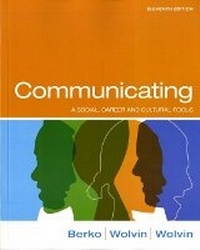
Communicating
A Social, Career, and Cultural Focus
11th Edition
Published on 11. September 2009
Book
Paperback/Softback
496 pages
978-0-205-62489-8 (ISBN)
Description
This highly-regarded introduction to communication book offers a comprehensive blend of basic communication theory, research, and skills, with a strong emphasis on relationship communication (social), workplace (career), and intercultural communication (culture).
Communicating introduces the basic principles of communication and applies them to interpersonal, group, interviewing, and public speaking contexts. The book stresses communication competence through boxed material, "Learn by Doing" activities, thought-provoking questions, and self-assessment tests. New and strengthened pedagogy highlights and reinforces the book's "social, career, and cultural" themes, with a particular emphasis on intercultural communication and communicating in an increasingly high-tech, global environment.
Communicating introduces the basic principles of communication and applies them to interpersonal, group, interviewing, and public speaking contexts. The book stresses communication competence through boxed material, "Learn by Doing" activities, thought-provoking questions, and self-assessment tests. New and strengthened pedagogy highlights and reinforces the book's "social, career, and cultural" themes, with a particular emphasis on intercultural communication and communicating in an increasingly high-tech, global environment.
More details
Edition
11th edition
Language
English
Place of publication
New York
United States
Publishing group
Taylor & Francis Inc
Target group
College/higher education
Dimensions
Height: 192 mm
Width: 265 mm
Thickness: 15 mm
Weight
798 gr
ISBN-13
978-0-205-62489-8 (9780205624898)
Copyright in bibliographic data and cover images is held by Nielsen Book Services Limited or by the publishers or by their respective licensors: all rights reserved.
Schweitzer Classification
Other editions
New editions
Roy M. Berko | Andrew D. Wolvin | Darlyn R. Wolvin
Communicating
A Social, Career, and Cultural Focus Plus NEW MyCommunicationLab with eText -- Access Card Package
Book
04/2012
12th Edition
Pearson
€139.81
Article is exhausted; no reprint
Roy M. Berko | Andrew D. Wolvin | Darlyn R. Wolvin
Communicating
A Social, Career, and Cultural Focus
Book
02/2012
12th Edition
Routledge
€268.90
Article exhausted; check for reprint
Previous edition
Roy M. Berko | Andrew D. Wolvin | Darlyn R. Wolvin
Communicating
A Social and Career Focus (Book alone)
Book
04/2007
10th Edition
Routledge
Unfortunately, price unknown
No shipping information available
Content
I. Foundations of Communication
1. The Human Communication Process
Communication Defined
The Components of Human Communication
Communication as a System
Models of Human Communication
The Media as Communicator
Communication and Culture
First Amendment Speech
Ethics
2. Foundations of Verbal Language
Origins of Human Language
The Languages We Use
Using Verbal Language
3. Nonverbal Communication
Sources of Nonverbal Signs
Emotional Influences on Nonverbal Communication
Verbal and Nonverbal Relationships
Categories of Nonverbal Communication
Using Nonverbal Communication
4. Listening
The Importance of Listening
The Listening Process
Listening Influencers
Purposes of Listening
Listening Apprehension
Improving Your Listening
II. Intrapersonal Communication
5. Intrapersonal Communication
Self-Talk
Cognitive Processing
The Self
Understanding Yourself
Need Drives Affecting Communication
Anxiety: Communication Apprehension
The Role of Culture in Intrapersonal Communication
III. Interpersonal Communication
6. The Concepts of Interpersonal Communication
Basic Concepts of Interpersonal Communication
Self-Disclosure
The Self and Others
Seeking Approval
Gaining Compliance
Emotions
Power
Male/Masculine-Female/Feminine Communication
Sexual Harassment and Bullying
Relationships
Electronically Mediated Communication
7. Interpersonal Skills
Participating in Conversations
Giving Directions
Requesting
Dealing with Interpersonal Conflict
Communication Approaches to Managing Conflict
Handling Criticism
Apologizing
8. The Interview
Interviewing Roles
Interview Format
Types of Interviews
9. The Concepts of Groups
Groups Defined
Group Versus Individual Actions
Types of Groups
Group Operations
Decision-Making Techniques
Group Setting
Mediated Meetings
10. Participating in Groups
Cultural Differences in Groups
The Group Participant
The Group Leader and Group Leadership
IV. Communicating in Public
11. Public Speaking: Planning and Presenting the Message
The Listenable Speech
Preparing a Speech: An Overview
Parameters of Public Speaking
The Ethics of Public Speaking
Analyzing the Parameters of Speeches
Process of the Speech Analysis
Post Speech Analysis
Modes of Presentation
12. Public Speaking: Developing the Speech
Sources of Information
Supporting Material
Techniques for Presenting Supporting Material
Computerized Graphics
13. Public Speaking: Structuring the Message
The Basic Elements of a Speech
The Introduction
The Central Idea
The Body
Traditional Methods of Arrangement for the Body of a Speech
The Conclusion
Transition into the Question-and-Answer Session
Alternative Methods for Organizing the Speech
Role of Culture on Speech Structure
14. Public Speaking: Presenting the Message
Aspects of Oral and Physical Speech Presentation
Use of Visual Aids (including PowerPoint)
Public Speaking Anxiety
Rehearsing the Speech
The Role of Culture on Speech Presentation
Dealing with Difficulties during a Speech
15. Informative Public Speaking
Role of Informative Speaking
Concept of Informative Speaking
Characteristics of Informative Speaking
Classifications of Informative Speaking
Developing the Informative Speech
The Informative Process in Action
16. Persuasive Public Speaking
Persuasive Speaking
Process of Persuasion
Persuasive Strategies
Role of Influence in Persuasion
Components of Persuasive Message
The Structure of the Persuasive Message
The Persuasive Process in Action
Appendix : The Resume
Basic Rules for APA Style
Glossary
1. The Human Communication Process
Communication Defined
The Components of Human Communication
Communication as a System
Models of Human Communication
The Media as Communicator
Communication and Culture
First Amendment Speech
Ethics
2. Foundations of Verbal Language
Origins of Human Language
The Languages We Use
Using Verbal Language
3. Nonverbal Communication
Sources of Nonverbal Signs
Emotional Influences on Nonverbal Communication
Verbal and Nonverbal Relationships
Categories of Nonverbal Communication
Using Nonverbal Communication
4. Listening
The Importance of Listening
The Listening Process
Listening Influencers
Purposes of Listening
Listening Apprehension
Improving Your Listening
II. Intrapersonal Communication
5. Intrapersonal Communication
Self-Talk
Cognitive Processing
The Self
Understanding Yourself
Need Drives Affecting Communication
Anxiety: Communication Apprehension
The Role of Culture in Intrapersonal Communication
III. Interpersonal Communication
6. The Concepts of Interpersonal Communication
Basic Concepts of Interpersonal Communication
Self-Disclosure
The Self and Others
Seeking Approval
Gaining Compliance
Emotions
Power
Male/Masculine-Female/Feminine Communication
Sexual Harassment and Bullying
Relationships
Electronically Mediated Communication
7. Interpersonal Skills
Participating in Conversations
Giving Directions
Requesting
Dealing with Interpersonal Conflict
Communication Approaches to Managing Conflict
Handling Criticism
Apologizing
8. The Interview
Interviewing Roles
Interview Format
Types of Interviews
9. The Concepts of Groups
Groups Defined
Group Versus Individual Actions
Types of Groups
Group Operations
Decision-Making Techniques
Group Setting
Mediated Meetings
10. Participating in Groups
Cultural Differences in Groups
The Group Participant
The Group Leader and Group Leadership
IV. Communicating in Public
11. Public Speaking: Planning and Presenting the Message
The Listenable Speech
Preparing a Speech: An Overview
Parameters of Public Speaking
The Ethics of Public Speaking
Analyzing the Parameters of Speeches
Process of the Speech Analysis
Post Speech Analysis
Modes of Presentation
12. Public Speaking: Developing the Speech
Sources of Information
Supporting Material
Techniques for Presenting Supporting Material
Computerized Graphics
13. Public Speaking: Structuring the Message
The Basic Elements of a Speech
The Introduction
The Central Idea
The Body
Traditional Methods of Arrangement for the Body of a Speech
The Conclusion
Transition into the Question-and-Answer Session
Alternative Methods for Organizing the Speech
Role of Culture on Speech Structure
14. Public Speaking: Presenting the Message
Aspects of Oral and Physical Speech Presentation
Use of Visual Aids (including PowerPoint)
Public Speaking Anxiety
Rehearsing the Speech
The Role of Culture on Speech Presentation
Dealing with Difficulties during a Speech
15. Informative Public Speaking
Role of Informative Speaking
Concept of Informative Speaking
Characteristics of Informative Speaking
Classifications of Informative Speaking
Developing the Informative Speech
The Informative Process in Action
16. Persuasive Public Speaking
Persuasive Speaking
Process of Persuasion
Persuasive Strategies
Role of Influence in Persuasion
Components of Persuasive Message
The Structure of the Persuasive Message
The Persuasive Process in Action
Appendix : The Resume
Basic Rules for APA Style
Glossary