

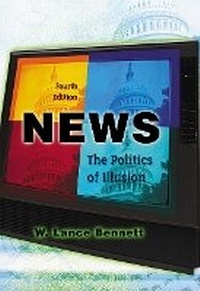
News
The Politics of Illusion
4th Edition
Published on 3. April 2001
Book
Paperback/Softback
304 pages
978-0-8013-1921-1 (ISBN)
Description
This highly-esteemed text follows the evolution of the news, both as a social and economic product, and as a key to understanding the American political process. Analyzing how the press, public, and politicians interact in a not always functional political system, the new Fourth Edition continues to offer the features that made the previous editions so successful: the best overview of research on media and politics available, in-depth "Case Studies" in every chapter, and unique views from the press. The Fourth Edition is also a sweeping revision and several broad new themes have been woven throughout the book to reflect important changes in recent years: 1. the decline of mass media and the fragmentation of the mass news audience; 2. the rise of strategic communication and new technologies of audience targeting; 3. the rise of news negativity; and 4. the news reform movement. These themes, along with relevant new examples to illustrate them, not only bring this new edition up-to-date, but reflect theoretical and empirical developments in the political communication field as well.
More details
Edition
4th edition
Language
English
Place of publication
United States
Publishing group
Pearson Education (US)
Target group
Professional and scholarly
Dimensions
Height: 235 mm
Width: 162 mm
ISBN-13
978-0-8013-1921-1 (9780801319211)
Copyright in bibliographic data and cover images is held by Nielsen Book Services Limited or by the publishers or by their respective licensors: all rights reserved.
Schweitzer Classification
Other editions
New editions
Book
09/2002
5th Edition
Pearson
€30.99
Article exhausted; check for reprint
Content
(Each chapter ends with a Notes section.)
1. An Introduction to the News About People, Society, and Politics.
Why Blaming Journalists Misses the Point.
Inside the American News System.
The Puzzling (and Fragile) Link Between News and Democracy.
News, Politics, and the People.
A Simple Overview of the Political Information System.
A Definition of News.
The Politics of Illusion.
The New Gatekeeper.
How Mediated Government Works.
2. News Content: Four Information Biases That Matter.
Four Information Biases in the News: An Overview.
Personalization.
Dramatization.
Fragmentation.
The Authority-Disorder Bias.
Good News, Bad News: Putting News Bias in Perspective.
Four Information Biases in the News: An In-Depth Look.
News Bias Reconsidered.
Previewing a Model for More Useful News.
3. The Social, Economic, and Political Construction of News Reality.
News as Social Construction.
Virtual News? Technology, Society, and Personalized Information.
Personalized Information and the Future of Democracy.
Economics Versus Democracy: Inside the News Business.
How Does Corporate Influence Operate?
Commercialized Information and Citizen Confidence.
Government and the Politics of News Making.
4. How Politicians Make the News.
The Politics of Illusion.
News Images as Symbolic Political Reality.
News Bias and Press-Government Relations.
The Goals of News Management.
The Techniques of News (Image) Making.
The Key to News Control: Managing Relations with the Press.
Other Presidents, Other News-Management Styles.
Press Relations: Care and Feeding (and Occasional Intimidation).
The Origins of Political News.
5. How Journalists Report the News.
Work Routines and Professional Norms.
How Reporting Practices Contribute to News Bias.
Reporters and Officials: Cooperation and Control.
Reporters as Members of News Organizations: Pressures to Standardize.
Reporters as a Pack: Pressures to Agree.
The Paradox of Organizational Routines.
When Journalism Works.
Democracy with or without Citizens?
6. Inside The Profession: Objectivity and Other Double Standards.
Why Objective Reporting Does Not Work.
Defining Objectivity: Fairness, Balance, and Truth.
Professional Journalism Standards.
Professional Practices and News Distortion.
The Adversarial Role of the Press.
Standards of Decency and Good Taste.
Documentary Reporting Practices.
The Use of Stories as Standardized News Formats.
Reporters as Generalists.
The Practice of Editorial Review.
Objectivity Reconsidered.
7. The Public: Prisoners of the News.
The Citizen's Dilemma: Who and What to Believe.
Prisoners Who Think for Themselves.
The Medium Makes a Difference: Audio and Visual Information.
Why the News Still Matters.
Common Patterns of Information Processing.
Thinking about Media Politics with Citizens in Mind.
Other Reasons People Follow the News.
Escaping the News Prison.
8. Freedom From the Press: Solutions For Concerned Citizens.
The Trouble with a Privately Owned Media System.
The Trouble with a Limited Public Broadcasting System.
The Trouble with Objective Journalism.
Dilemmas of the American Information System.
News and Power in America: The Ideal versus the Reality.
Why the Myth of a Free Press Persists.
Critical Proposals for Citizens, Journalists, and Politicians.
The Perils of Virtual Democracy.
Index.
1. An Introduction to the News About People, Society, and Politics.
Why Blaming Journalists Misses the Point.
Inside the American News System.
The Puzzling (and Fragile) Link Between News and Democracy.
News, Politics, and the People.
A Simple Overview of the Political Information System.
A Definition of News.
The Politics of Illusion.
The New Gatekeeper.
How Mediated Government Works.
2. News Content: Four Information Biases That Matter.
Four Information Biases in the News: An Overview.
Personalization.
Dramatization.
Fragmentation.
The Authority-Disorder Bias.
Good News, Bad News: Putting News Bias in Perspective.
Four Information Biases in the News: An In-Depth Look.
News Bias Reconsidered.
Previewing a Model for More Useful News.
3. The Social, Economic, and Political Construction of News Reality.
News as Social Construction.
Virtual News? Technology, Society, and Personalized Information.
Personalized Information and the Future of Democracy.
Economics Versus Democracy: Inside the News Business.
How Does Corporate Influence Operate?
Commercialized Information and Citizen Confidence.
Government and the Politics of News Making.
4. How Politicians Make the News.
The Politics of Illusion.
News Images as Symbolic Political Reality.
News Bias and Press-Government Relations.
The Goals of News Management.
The Techniques of News (Image) Making.
The Key to News Control: Managing Relations with the Press.
Other Presidents, Other News-Management Styles.
Press Relations: Care and Feeding (and Occasional Intimidation).
The Origins of Political News.
5. How Journalists Report the News.
Work Routines and Professional Norms.
How Reporting Practices Contribute to News Bias.
Reporters and Officials: Cooperation and Control.
Reporters as Members of News Organizations: Pressures to Standardize.
Reporters as a Pack: Pressures to Agree.
The Paradox of Organizational Routines.
When Journalism Works.
Democracy with or without Citizens?
6. Inside The Profession: Objectivity and Other Double Standards.
Why Objective Reporting Does Not Work.
Defining Objectivity: Fairness, Balance, and Truth.
Professional Journalism Standards.
Professional Practices and News Distortion.
The Adversarial Role of the Press.
Standards of Decency and Good Taste.
Documentary Reporting Practices.
The Use of Stories as Standardized News Formats.
Reporters as Generalists.
The Practice of Editorial Review.
Objectivity Reconsidered.
7. The Public: Prisoners of the News.
The Citizen's Dilemma: Who and What to Believe.
Prisoners Who Think for Themselves.
The Medium Makes a Difference: Audio and Visual Information.
Why the News Still Matters.
Common Patterns of Information Processing.
Thinking about Media Politics with Citizens in Mind.
Other Reasons People Follow the News.
Escaping the News Prison.
8. Freedom From the Press: Solutions For Concerned Citizens.
The Trouble with a Privately Owned Media System.
The Trouble with a Limited Public Broadcasting System.
The Trouble with Objective Journalism.
Dilemmas of the American Information System.
News and Power in America: The Ideal versus the Reality.
Why the Myth of a Free Press Persists.
Critical Proposals for Citizens, Journalists, and Politicians.
The Perils of Virtual Democracy.
Index.