


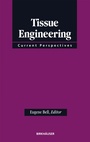
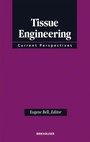
Tissue Engineering
Current Perspectives
Published on 1. January 1993
Book
Hardback
XIV, 242 pages
978-0-8176-3687-6 (ISBN)
Description
Here are the latest developments in a field undergoing a series of important advances, presented by the man many consider to be the "father of tissue engineering." Dr. Bell has gathered some of the world's top molecular and cell biologists from industry and academia to cover the following areas: Matrix molecules and their ligands; use of cultured cells and the potential of stem cells for tissue restoration; co-cultures and other in vitro systems for promoting differentiation and tissue formation; physical forces as requirements for gene expression, growth, morphogenesis, and differentiation; and materials for tissue remodelling in vivo and in Vitro. In addition, artificial tissues for major organ systems are described, including skin, muscle, liver, heart, the central nervous system, and others. This is essential reading for all biomedical researchers and clinicians interested in the great potential of tissue engineering techniques for treating many human injuries, diseases, and genetic disorders.
More details
Language
English
Place of publication
MA
United States
Target group
College/higher education
Professional and scholarly
Illustrations
66 s/w Abbildungen
66 black & white illustrations, biography
Weight
535 gr
ISBN-13
978-0-8176-3687-6 (9780817636876)
DOI
10.1007/978-1-4615-8186-4
Schweitzer Classification
Other editions
Additional editions
Book
10/2012
Birkhauser Boston Inc
€106.99
Shipment within 15-20 days
Previous edition
Book
12/1993
Birkhäuser Verlag GmbH
€89.13
Article exhausted; check different version
Content
1 Tissue Engineering, An Overview.- I Matrix Molecules and Their Ligands.- 2 Role of Non-Fibrillar Collagens in Matrix Assemblies.- 3 Elastic Fiber Organization.- II USE of Cultured Cells and the Potential of Stem Cells for Tissue Restoration.- 4 Myoblast Mediated Gene Therapy.- 5 Implantation of Cultured Schwann Cells to Foster Repair in Injured Mammalian Spinal Cord.- 6 Progenitor Cells in Embryonic and Post-Natal Rat Livers, Their Growth and Differentiation Potential.- III Co-Cultures and Other in Vitro Systems for Promoting Differentiation and Tissue Formation.- 7 Extracellular Matrix, Cellular Mechanics, and Tissue Engineering.- 8 Modulation of Cardiac Growth by Sympathetic Innervation: Differential Response Between Normotensive and Hypertensive Rats.- 9 Liver Support Through Hepatic Tissue Engineering.- IV Physical Forces as Requirements for Gene Expression, Growth, Morphogenesis, and Differentiation.- 10 Evidence for the Role of Physical Forces in Growth, Morphogenesis, and Differentiation.- 11 Physical Stress as a Factor in Tissue Growth and Remodeling.- 12 Mechanical Stress Effects on Vascular Endothelial Cell Growth.- 13 Deformation of Chondrocytes Within the Extracellular Matrix of Articular Cartilage.- 14 Mechanical Stretch Rapidly Activates Multiple Signaling Pathways in Cardiac Myocytes.- 15 Shear Stress-Induced Gene Expression in Human Endothelial Cells.- V Materials for Tissue Remodeling in Vivo and in Vitro.- 16 Tissue Engineering of Skeletal and Cardiac Muscle for Correction of Congenital and Genetic Abnormalities and Reconstruction Following Physical Damage.- 17 Small Intestinal Submucosa (SIS): A Biomaterial Conducive to Smart Tissue Remodeling.- 18 Matrix Engineering: Remodeling of Dense Fibrillar Collagen Vascular Grafts In Vivo.- 19 Bioelastic Materials as Matrices for Tissue Reconstruction.- VI Approaches to Allografting Engineered Cells and Tissues.- 20 Induction of Immunological Unresponsiveness in the Adult Animal.- 21 "Neutral Allografts" Cultured Allogenic Cells as Building Blocks of Engineered Organs Transplanted Across MHC Barriers.