

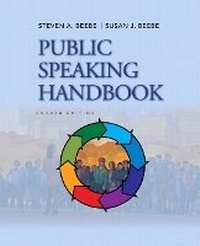
Public Speaking Handbook
4th Edition
Published on 31. January 2012
Book
Paperback/Softback
528 pages
978-0-205-02940-2 (ISBN)
Description
Updated in its 4th edition, Beebe, Public Speaking Handbook provides a unique, audience-centered approach in a reader-friendly reference format. Adapted from the authors' top-selling public speaking book, the handbook format makes it a quick and easy way access to key information. Its distinctive and popular audience-centered approach emphasizes the importance of analyzing and considering the audience at every point in preparing and delivering a speech. This public speaking model serves as a foundation as the book guides readers through the step-by-step process of public speaking, focusing their attention on the importance and dynamics of diverse audiences.
More details
Edition
4th edition
Language
English
Place of publication
United States
Publishing group
Pearson Education (US)
Target group
Adult education
Dimensions
Height: 234 mm
Width: 222 mm
Thickness: 21 mm
Weight
820 gr
ISBN-13
978-0-205-02940-2 (9780205029402)
Copyright in bibliographic data and cover images is held by Nielsen Book Services Limited or by the publishers or by their respective licensors: all rights reserved.
Schweitzer Classification
Other editions
New editions
Steven A. Beebe | Susan J. Beebe
Public Speaking Handbook
Book
01/2015
5th Edition
Pearson
€111.41
Article is exhausted; no reprint
Previous edition
Steven A. Beebe | Susan J. Beebe
Public Speaking Handbook
Book
02/2009
3rd Edition
Pearson
€73.22
Article exhausted; check for reprint
Content
1. Introduction to Public Speaking and the Audience-Centered Speechmaking Process
Why Study Public Speaking?
Public Speaking as a Communication Process
The Rich Heritage of Public Speaking
An Overview of Audience-Centered Public Speaking
2. Speaking with Confidence
Understand Your Nervousness
Build Your Confidence
3. Speaking Freely and Ethically
Introduction to Ethics
Speaking Freely
Speaking Ethically
Speaking Credibly
4. Listening to Speeches
Effective Listening
Overcoming Barriers to Effective Listening
How to Become a Better Listener
Listening and Critical Thinking
Analyzing and Evaluating Speeches
5. Analyzing Your Audience
Becoming an Audience-Centered Speaker
Gathering Information About Your Audience
Analyzing Information About Your Audience
Adapting to Your Audience
Analyzing Your Audience Before You Speak
Adapting to Your Audience as You Speak
Analyzing Your Audience After You Speak
6. Developing Your Speech
Select and Narrow Your Topic
Determine Your Purpose
Develop Your Central Idea
Generate and Preview Your Main Ideas
Meanwhile, Back at the Computer . . .
8. Gathering and Using Supporting Material
Sources of Supporting Material
Research Strategies
Types of Supporting Material
The Best Supporting Material
8. Organizing Your Speech
Organizing Your Main Ideas
Subdividing Your Main Ideas
Integrating Your Supporting Material
Developing Signposts
Supplementing Signposts with Presentation Aids
9. Introducing Your Speech
Purposes of Introductions
Effective Introductions
10. Concluding Your Speech
Purposes of Conclusions
Effective Conclusions
11. Outlining and Editing Your Speech
Developing a Preparation Outline
Editing Your Speech
Developing Your Delivery Outline and Speaking Notes
12. Using Words Well: Speaker Language and Style
Differentiating Oral and Written Language Styles
Using Words Effectively
Adapting Your Language Style to Diverse Listeners
Crafting Memorable Word Structures
Using Memorable Word Structures Effectively
13. Delivering Your Speech
The Power of Speech Delivery
Methods of Delivery
Characteristics of Effective Delivery
Audience Diversity and Delivery
Rehearsing Your Speech: Some Final Tips
Delivering Your Speech
Responding to Questions
14. Designing and Using Presentation Aids
The Value of Presentation Aids
Types of Presentation Aids
Guidelines for Developing Presentation Aids
Guidelines for Using Presentation Aids
15. Speaking to Inform
Types of Informative Speeches
Strategies to Enhance Audience Understanding
Strategies to Maintain Audience Interest
Strategies to Enhance Audience Recall
Developing an Audience-Centered Informative Speech
16. Understanding Principles of Persuasive Speaking
Persuasion Defined
How Persuasion Works
How to Motivate Listeners
How to Develop Your Persuasive Speech
17. Using Persuasive Strategies
Enhancing Your Credibility
Using Logic and Evidence to Persuade
Using Emotion to Persuade
Strategies for Adapting Ideas to People and People to Ideas
Strategies for Organizing Persuasive Messages
18. Speaking for Special Occasions and Purposes
Public Speaking in the Workplace
Ceremonial Speaking
After-Dinner Speaking: Using Humor Effectively
Appendices
A. Speaking in Small Groups
B. Suggested Speech Topics
C. Speeches for Analysis and Discussion
Why Study Public Speaking?
Public Speaking as a Communication Process
The Rich Heritage of Public Speaking
An Overview of Audience-Centered Public Speaking
2. Speaking with Confidence
Understand Your Nervousness
Build Your Confidence
3. Speaking Freely and Ethically
Introduction to Ethics
Speaking Freely
Speaking Ethically
Speaking Credibly
4. Listening to Speeches
Effective Listening
Overcoming Barriers to Effective Listening
How to Become a Better Listener
Listening and Critical Thinking
Analyzing and Evaluating Speeches
5. Analyzing Your Audience
Becoming an Audience-Centered Speaker
Gathering Information About Your Audience
Analyzing Information About Your Audience
Adapting to Your Audience
Analyzing Your Audience Before You Speak
Adapting to Your Audience as You Speak
Analyzing Your Audience After You Speak
6. Developing Your Speech
Select and Narrow Your Topic
Determine Your Purpose
Develop Your Central Idea
Generate and Preview Your Main Ideas
Meanwhile, Back at the Computer . . .
8. Gathering and Using Supporting Material
Sources of Supporting Material
Research Strategies
Types of Supporting Material
The Best Supporting Material
8. Organizing Your Speech
Organizing Your Main Ideas
Subdividing Your Main Ideas
Integrating Your Supporting Material
Developing Signposts
Supplementing Signposts with Presentation Aids
9. Introducing Your Speech
Purposes of Introductions
Effective Introductions
10. Concluding Your Speech
Purposes of Conclusions
Effective Conclusions
11. Outlining and Editing Your Speech
Developing a Preparation Outline
Editing Your Speech
Developing Your Delivery Outline and Speaking Notes
12. Using Words Well: Speaker Language and Style
Differentiating Oral and Written Language Styles
Using Words Effectively
Adapting Your Language Style to Diverse Listeners
Crafting Memorable Word Structures
Using Memorable Word Structures Effectively
13. Delivering Your Speech
The Power of Speech Delivery
Methods of Delivery
Characteristics of Effective Delivery
Audience Diversity and Delivery
Rehearsing Your Speech: Some Final Tips
Delivering Your Speech
Responding to Questions
14. Designing and Using Presentation Aids
The Value of Presentation Aids
Types of Presentation Aids
Guidelines for Developing Presentation Aids
Guidelines for Using Presentation Aids
15. Speaking to Inform
Types of Informative Speeches
Strategies to Enhance Audience Understanding
Strategies to Maintain Audience Interest
Strategies to Enhance Audience Recall
Developing an Audience-Centered Informative Speech
16. Understanding Principles of Persuasive Speaking
Persuasion Defined
How Persuasion Works
How to Motivate Listeners
How to Develop Your Persuasive Speech
17. Using Persuasive Strategies
Enhancing Your Credibility
Using Logic and Evidence to Persuade
Using Emotion to Persuade
Strategies for Adapting Ideas to People and People to Ideas
Strategies for Organizing Persuasive Messages
18. Speaking for Special Occasions and Purposes
Public Speaking in the Workplace
Ceremonial Speaking
After-Dinner Speaking: Using Humor Effectively
Appendices
A. Speaking in Small Groups
B. Suggested Speech Topics
C. Speeches for Analysis and Discussion