

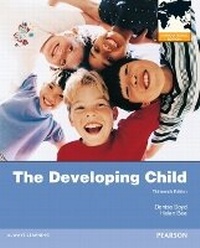
The Developing Child
International Edition
13th Edition
Published on 18. January 2012
Book
Paperback/Softback
592 pages
978-0-205-84448-7 (ISBN)
Description
This package includes a physical copy of The Developing Child, 13e by Bee as well as access to the eText and MyDevelopmentLab.
The Developing Child, 13e gives students the tools they need to organize, retain, and apply information from the broad field of child psychology, while offering balanced coverage of theory and application.
Through The Developing Child, 13e Helen Bee and Denise Boyd generate excitement about scientific inquiry by connecting research with applications. All integrated features within the text are designed to engage students and provide them with the support they need to understand, learn, and apply the material. Interactive resources like MyDevelopmentLab and MyVirtualChild offer students additional support and the ultimate hands-on learning experience.
MyDevelopmentLab is an online homework, tutorial, and assessment program that truly engages students in learning. It helps students better prepare for class, quizzes, and exams-resulting in better performance in the course. It provides educators a dynamic set of tools for gauging individual and class performance. And, MyDevelopmentLab comes from Pearson-your partner in providing the best digital learning experiences.
MyLab and Mastering from Pearson improve results for students and educators. Used by over ten million students, they effectively engage learners at every stage.
For students
Personalised study plan: MyDevelopmentLab gives you the opportunity to test yourself on key concepts and skills and generates a study plan based on topics you have not yet mastered. The study plan links to interactive exercises with guidance, to give you help when you need it most.
Pearson eText gives you access to an eBook that can be used on the go, and allows you to highlight, search and take notes as you read online. Access to the eBook depends on the package you have bought.
MyVirtualLife, MyVirtualChild, MyVirtualTeen: Interactive simulations that help students think critically as they apply their course work to the practical experiences, make decisions and see the impact of those decisions.
Video Series engage students and bring to life a wide range of topics spanning prenatal through the end of the lifespan.
For educators
Online assignments, tests, quizzes can be easily created and assigned to students.
Gradebook: Assignments are automatically graded and visible at a glance.
For educator access, contact your Pearson Sales Consultant. To find out who your Sales Consultant is, visit www.pearsoned.co.uk/replocator
More details
Edition
13th edition
Language
English
Place of publication
United States
Publishing group
Pearson Education (US)
Target group
College/higher education
Dimensions
Height: 276 mm
Width: 229 mm
Thickness: 20 mm
Weight
1170 gr
ISBN-13
978-0-205-84448-7 (9780205844487)
Copyright in bibliographic data is held by Nielsen Book Services Limited or its licensors: all rights reserved.
Schweitzer Classification
Other editions
New editions

Book
07/2013
13th Edition
Pearson Education Limited
€90.49
Shipment within 10-20 days
Previous edition

Book
09/2010
12th Edition
Pearson
€73.22
Article exhausted; check for reprint
Persons
Denise Boyd received her Ed.D. in educational psychology from the University of Houston and has been a psychology instructor in the Houston Community College System since 1988. From 1995 until 1998, she chaired the psychology, sociology, and anthropology department at Houston Community College-Central. She has coauthored multiple Pearson texts: with Helen Bee, Lifespan Development (Sixth Edition) and The Growing Child (First Edition); and with Genevieve Stevens, Current Readings in Lifespan Development. A licensed psychologist, she has presented a number of papers at professional meetings, reporting research in child, adolescent, and adult development. She has also presented workshops for teachers whose students range from preschool to college.
Content
IN THIS SECTION:
1.) BRIEF
2.) COMPREHENSIVE
BRIEF TABLE OF CONTENTS:
Part I: Introduction
Chapter 1: Basic Issues in the Study of Development
Part II: The Beginnings of Life
Chapter 2: Prenatal Development
Chapter 3: Birth and Early Infancy
Part III: The Physical Child
Chapter 4: Physical Development
Chapter 5: Perceptual Development
Part IV: The Thinking Child
Chapter 6: Cognitive Development I: Structure and Process
Chapter 7: Cognitive Development II: Individual Differences in Cognitive Abilities
Chapter 8: The Development of Language
Part V: The Social Child
Chapter 9: Personality Development: Alternative Views
Chapter 10: Concepts of Self, Gender, and Sex Roles
Chapter 11: The Development of Social Relationships
Chapter 12: Thinking about Relationships: Social-Cognitive and Moral Development
Part VI: The Whole Child
Chapter 13: The Ecology of Development: The Child within the Family System
Chapter 14: Beyond the Family: The Impact of the Broader Culture
Chapter 15: Atypical Development
Epilogue: Putting It All Together: The Developing Child
COMPREHENSIVE TABLE OF CONTENTS:
Part I: Introduction
Chapter 1: Basic Issues in the Study of Development
Issues in the Study of Development
Theories of Development
Finding the Answers: Research Designs and Methods
Think Critically
Conduct Your Own Research
Summary
Key Terms
Part II: The Beginnings of Life
Chapter 2: Prenatal Development
Conception and Genetics
Development from Conception to Birth
Problems in Prenatal Development
Think Critically
Conduct Your Own Research
Summary
Key Terms
Chapter 3: Birth and Early Infancy
Birth
Behavior in Early Infancy
Health and Wellness in Early Infancy
Think Critically
Conduct Your Own Research
Summary
Key Terms
Part III: The Physical Child
Chapter 4: Physical Development
The Brain and Nervous System
Size, Shape, and Skills
The Endocrine and Reproductive Systems
Sexual Behavior in Adolescence
Health and Wellness
Think Critically
Conduct Your Own Research
Summary
Key Terms
Chapter 5: Perceptual Development
Thinking about Perceptual Development
Sensory Skills
Perceptual Skills
The Object Concept
Perception of Social Signals
Think Critically
Conduct Your Own Research
Summary
Key Terms
Part IV: The Thinking Child
Chapter 6: Cognitive Development I: Structure and Process
Piaget's Basic Ideas
Infancy
The Preschool Years
The School-Aged Child
Adolescence
Development of Information-Processing Skills
Think Critically
Conduct Your Own Research
Summary
Key Terms
Chapter 7: Cognitive Development II: Individual Differences in Cognitive Abilities
Measuring Intellectual Power
Explaining Individual Differences in IQ Scores
Explaining Group Differences in IQ or Achievement Test Scores
Alternative Views of Intelligence
Think Critically
Conduct Your Own Research
Summary
Key Terms
Chapter 8: The Development of Language
Before the First Word: The Prelinguistic Phase
Learning Words and Word Meanings
Learning the Rules: The Development of Grammar and Pragmatics
Explaining Language Development
Individual and Group Differences in Language Development
Learning to Read and Write
Think Critically
Conduct Your Own Research
Summary
Key Terms
Part V: The Social Child
Chapter 9: Personality Development: Alternative Views
Defining Personality
Genetic and Biological Explanations of Personality
Learning Explanations of Personality
Psychoanalytic Explanations of Personality
A Possible Synthesis
Think Critically
Conduct Your Own Research
Summary
Key Terms
Chapter 10: Concepts of Self, Gender, and Sex Roles
The Concept of Self
Self-Esteem
The Development of the Concepts of Gender and Sex Roles
Think Critically
Conduct Your Own Research
Summary
Key Terms
Chapter 11: The Development of Social Relationships
Relationships with Parents
Variations in the Quality of Attachments
Relationships with Peers
Behavior with Peers
Think Critically
Conduct Your Own Research
Summary
Key Terms
Chapter 12: Thinking about Relationships: Social-Cognitive and Moral Development
The Development of Social Cognition
Moral Development
Think Critically
Conduct Your Own Research
Summary
Key Terms
Part VI: The Whole Child
Chapter 13: The Ecology of Development: The Child within the Family System
Understanding the Family System
Dimensions of Family Interaction
Parenting Styles
Family Structure, Divorce, and Parental Employment
Think Critically
Conduct Your Own Research
Summary
Key Terms
Chapter 14: Beyond the Family: The Impact of the Broader Culture
Nonparental Care
The Impact of Schools
The Impact of Entertainment Media
Macrosystem Effects: The Impact of the Larger Culture
Think Critically
Conduct Your Own Research
Summary
Key Terms
Chapter 15: Atypical Development
Understanding Atypical Development
Attention Problems and Externalizing Problems
Internalizing Problems
Atypical Intellectual and Social Development
Schooling for Atypical Children
Think Critically
Conduct Your Own Research
Summary
Key Terms
Epilogue: Putting It All Together: The Developing Child
Transitions, Consolidations, and Systems
From Birth to 24 Months
The Preschool Years
The Elementary School Years
Adolescence
A Return to Some Basic Questions
Glossary
References
Photo Credits
Name Index
Subject Index
1.) BRIEF
2.) COMPREHENSIVE
BRIEF TABLE OF CONTENTS:
Part I: Introduction
Chapter 1: Basic Issues in the Study of Development
Part II: The Beginnings of Life
Chapter 2: Prenatal Development
Chapter 3: Birth and Early Infancy
Part III: The Physical Child
Chapter 4: Physical Development
Chapter 5: Perceptual Development
Part IV: The Thinking Child
Chapter 6: Cognitive Development I: Structure and Process
Chapter 7: Cognitive Development II: Individual Differences in Cognitive Abilities
Chapter 8: The Development of Language
Part V: The Social Child
Chapter 9: Personality Development: Alternative Views
Chapter 10: Concepts of Self, Gender, and Sex Roles
Chapter 11: The Development of Social Relationships
Chapter 12: Thinking about Relationships: Social-Cognitive and Moral Development
Part VI: The Whole Child
Chapter 13: The Ecology of Development: The Child within the Family System
Chapter 14: Beyond the Family: The Impact of the Broader Culture
Chapter 15: Atypical Development
Epilogue: Putting It All Together: The Developing Child
COMPREHENSIVE TABLE OF CONTENTS:
Part I: Introduction
Chapter 1: Basic Issues in the Study of Development
Issues in the Study of Development
Theories of Development
Finding the Answers: Research Designs and Methods
Think Critically
Conduct Your Own Research
Summary
Key Terms
Part II: The Beginnings of Life
Chapter 2: Prenatal Development
Conception and Genetics
Development from Conception to Birth
Problems in Prenatal Development
Think Critically
Conduct Your Own Research
Summary
Key Terms
Chapter 3: Birth and Early Infancy
Birth
Behavior in Early Infancy
Health and Wellness in Early Infancy
Think Critically
Conduct Your Own Research
Summary
Key Terms
Part III: The Physical Child
Chapter 4: Physical Development
The Brain and Nervous System
Size, Shape, and Skills
The Endocrine and Reproductive Systems
Sexual Behavior in Adolescence
Health and Wellness
Think Critically
Conduct Your Own Research
Summary
Key Terms
Chapter 5: Perceptual Development
Thinking about Perceptual Development
Sensory Skills
Perceptual Skills
The Object Concept
Perception of Social Signals
Think Critically
Conduct Your Own Research
Summary
Key Terms
Part IV: The Thinking Child
Chapter 6: Cognitive Development I: Structure and Process
Piaget's Basic Ideas
Infancy
The Preschool Years
The School-Aged Child
Adolescence
Development of Information-Processing Skills
Think Critically
Conduct Your Own Research
Summary
Key Terms
Chapter 7: Cognitive Development II: Individual Differences in Cognitive Abilities
Measuring Intellectual Power
Explaining Individual Differences in IQ Scores
Explaining Group Differences in IQ or Achievement Test Scores
Alternative Views of Intelligence
Think Critically
Conduct Your Own Research
Summary
Key Terms
Chapter 8: The Development of Language
Before the First Word: The Prelinguistic Phase
Learning Words and Word Meanings
Learning the Rules: The Development of Grammar and Pragmatics
Explaining Language Development
Individual and Group Differences in Language Development
Learning to Read and Write
Think Critically
Conduct Your Own Research
Summary
Key Terms
Part V: The Social Child
Chapter 9: Personality Development: Alternative Views
Defining Personality
Genetic and Biological Explanations of Personality
Learning Explanations of Personality
Psychoanalytic Explanations of Personality
A Possible Synthesis
Think Critically
Conduct Your Own Research
Summary
Key Terms
Chapter 10: Concepts of Self, Gender, and Sex Roles
The Concept of Self
Self-Esteem
The Development of the Concepts of Gender and Sex Roles
Think Critically
Conduct Your Own Research
Summary
Key Terms
Chapter 11: The Development of Social Relationships
Relationships with Parents
Variations in the Quality of Attachments
Relationships with Peers
Behavior with Peers
Think Critically
Conduct Your Own Research
Summary
Key Terms
Chapter 12: Thinking about Relationships: Social-Cognitive and Moral Development
The Development of Social Cognition
Moral Development
Think Critically
Conduct Your Own Research
Summary
Key Terms
Part VI: The Whole Child
Chapter 13: The Ecology of Development: The Child within the Family System
Understanding the Family System
Dimensions of Family Interaction
Parenting Styles
Family Structure, Divorce, and Parental Employment
Think Critically
Conduct Your Own Research
Summary
Key Terms
Chapter 14: Beyond the Family: The Impact of the Broader Culture
Nonparental Care
The Impact of Schools
The Impact of Entertainment Media
Macrosystem Effects: The Impact of the Larger Culture
Think Critically
Conduct Your Own Research
Summary
Key Terms
Chapter 15: Atypical Development
Understanding Atypical Development
Attention Problems and Externalizing Problems
Internalizing Problems
Atypical Intellectual and Social Development
Schooling for Atypical Children
Think Critically
Conduct Your Own Research
Summary
Key Terms
Epilogue: Putting It All Together: The Developing Child
Transitions, Consolidations, and Systems
From Birth to 24 Months
The Preschool Years
The Elementary School Years
Adolescence
A Return to Some Basic Questions
Glossary
References
Photo Credits
Name Index
Subject Index