

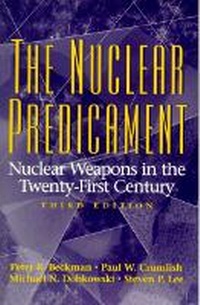
The Nuclear Predicament
Nuclear Weapons in the Twenty-First Century
3rd Edition
Published on 13. October 2000
Book
Paperback/Softback
340 pages
978-0-13-680638-7 (ISBN)
Description
Ideal for use in all Nuclear Issues, American Foreign Policy, International Relations, Global Issues, and Contemporary History courses at the undergraduate level.
Thoroughly revised to reflect the changes that the end of the cold war has brought to nuclear issues and to examine our new nuclear future, this interdisciplinary text shows how nuclear weapons have changed the world-militarily, politically, socially, and ethically. Seeking to shake readers out of their nuclear complacency, it fully examines the evolving nuclear predicament (that nuclear weapons can be massively destructive, yet we are moving into a period when nuclear weapons are more likely to be used) and considers particular strategies to cope with and shape the nuclear future.
Thoroughly revised to reflect the changes that the end of the cold war has brought to nuclear issues and to examine our new nuclear future, this interdisciplinary text shows how nuclear weapons have changed the world-militarily, politically, socially, and ethically. Seeking to shake readers out of their nuclear complacency, it fully examines the evolving nuclear predicament (that nuclear weapons can be massively destructive, yet we are moving into a period when nuclear weapons are more likely to be used) and considers particular strategies to cope with and shape the nuclear future.
More details
Edition
3rd edition
Language
English
Place of publication
United States
Publishing group
Pearson Education (US)
Target group
Professional and scholarly
Dimensions
Height: 229 mm
Width: 152 mm
Weight
1000 gr
ISBN-13
978-0-13-680638-7 (9780136806387)
Copyright in bibliographic data and cover images is held by Nielsen Book Services Limited or by the publishers or by their respective licensors: all rights reserved.
Schweitzer Classification
Other editions
New editions

Peter R. Beckman | Paul W. Crumlish | Michael N. Dobkowski
The Nuclear Predicament
Book
08/2009
4th Edition
Pearson
€34.65
Article is exhausted; no reprint
Content
1. Hiroshima and the Nuclear Predicament.
Post Cold War Nuclear Risks. The Effects of Nuclear Weapons. Surviving a Major Nuclear War. The Nuclear Predicament. Summary. Notes.
2. The Decision to Use Nuclear Weapons.
Making Choices. Truman and His Advisors. Truman's Decision. The Debate about the Use of the Bomb. The Implications of Hiroshima and Nagasaki for the Future. Near Uses of Nuclear Weapons. The Cold War's Visions of Nuclear Use. Decisions to Use Nuclear Weapons in the Second Nuclear Era. The Likelihood of Nuclear Use in the Next Twenty-Five Years. Notes.
3. Building the Bomb.
The Early History of Atomic and Nuclear Physics. The Physics of the Nucleus. The Manhattan Project. The Fission Bomb. The Other Nuclear States. The Role of Nuclear Power Generation in Proliferation. The Hydrogen or Fusion Bomb. Summary. Notes.
4. The Roots of the Predicament: The Emergence of Total War.
The Search for Affordable Victory. The Environment for American Nuclear Decisions. Explanations of Nuclear Behavior. From Atomic Scarcity to Plenty. Nuclear Strategy Begins. Stalin and the American Monopoly. The Impact of the Soviet Bomb. The "Super." Doctrines for an Age of Plenty. The Soviet Experience. Nuclear Doctrine in Peacetime. Anticipating the End of Monopoly. Summary. Notes.
5. Survival in an Age of Nuclear Plenty.
Command and Control in the Nuclear Age. Maintaining the Ability to Retaliate. Ballistic Missiles. Shaping the Nuclear Arsenals. The Triad Emerges. How Rugged Is Deterrence: Vulnerability and Deterrence in the Missile Age. The Balance of Terror. How Much Is Enough in a Balance of Terror? Strategic Doctrine Emerges. War Fighting and the Evolution of Soviet and American Doctrine. Critics of Flexible Response/War Waging. Technology's Impact on Doctrine. Defense against Missiles. The End of the First Nuclear Era. The New Nuclear Order. The Threat of Former Soviet Fissile Material. Summary. Notes.
6. Nuclear Rivals and Nuclear Relations.
The Nuclear Shadow. The Cuban Missile Crisis. The Lessons of the Cuban Missile Crisis. The Berlin Crises and Lessons. General Patterns of Nuclear Behavior. Nuclear Relations in a Cold War. The End of the Cold War and the Russian Future. The Five Crisis Points of the Nuclear Future. Summary. Notes.
7. The Expansion of the Nuclear World: Nuclear Proliferation and Terrorism.
The Politics of Nuclear Proliferation. How Dangerous is Nuclear Proliferation? Antiproliferation Policy. Nuclear Terrorism. Summary. Notes.
8. Controlling the Nuclear Future.
Controlling the Future. Arms Control in the Cold War. Arms Control Measures. Nuclear Rules of the Road. Other Mechanisms for Controlling the Nuclear Future. The Historic Cold War Revisited: Lessons for the Future. Rivalries in the Twenty-First Century. Summary. Notes.
9. Nuclear Weapons and Morality.
Morality and War. The Morality of Nuclear War. The Morality of Nuclear Deterrence. Nuclear Ethics after the Cold War. Summary. Notes.
10. Living in the Nuclear Age: The Social and Cultural Impact of Nuclear Weapons.
Nuclear Denial. The Domestication of Nuclear Language. The Psychological Impact of Nuclear Weapons. The Bomb and the Cultural Imagination. Death and Dying. Nuclearism. Nuclear Normality: Living with Nuclear Peace. Summary. Notes.
11. Solutions to the Nuclear Predicament.
Is There a Solution to the Nuclear Predicament? Technological Obviation. Minimum Deterrence. The Abolition of Nuclear Weapons. What Can an Individual Do? Notes.
Glossary.
Index.
Post Cold War Nuclear Risks. The Effects of Nuclear Weapons. Surviving a Major Nuclear War. The Nuclear Predicament. Summary. Notes.
2. The Decision to Use Nuclear Weapons.
Making Choices. Truman and His Advisors. Truman's Decision. The Debate about the Use of the Bomb. The Implications of Hiroshima and Nagasaki for the Future. Near Uses of Nuclear Weapons. The Cold War's Visions of Nuclear Use. Decisions to Use Nuclear Weapons in the Second Nuclear Era. The Likelihood of Nuclear Use in the Next Twenty-Five Years. Notes.
3. Building the Bomb.
The Early History of Atomic and Nuclear Physics. The Physics of the Nucleus. The Manhattan Project. The Fission Bomb. The Other Nuclear States. The Role of Nuclear Power Generation in Proliferation. The Hydrogen or Fusion Bomb. Summary. Notes.
4. The Roots of the Predicament: The Emergence of Total War.
The Search for Affordable Victory. The Environment for American Nuclear Decisions. Explanations of Nuclear Behavior. From Atomic Scarcity to Plenty. Nuclear Strategy Begins. Stalin and the American Monopoly. The Impact of the Soviet Bomb. The "Super." Doctrines for an Age of Plenty. The Soviet Experience. Nuclear Doctrine in Peacetime. Anticipating the End of Monopoly. Summary. Notes.
5. Survival in an Age of Nuclear Plenty.
Command and Control in the Nuclear Age. Maintaining the Ability to Retaliate. Ballistic Missiles. Shaping the Nuclear Arsenals. The Triad Emerges. How Rugged Is Deterrence: Vulnerability and Deterrence in the Missile Age. The Balance of Terror. How Much Is Enough in a Balance of Terror? Strategic Doctrine Emerges. War Fighting and the Evolution of Soviet and American Doctrine. Critics of Flexible Response/War Waging. Technology's Impact on Doctrine. Defense against Missiles. The End of the First Nuclear Era. The New Nuclear Order. The Threat of Former Soviet Fissile Material. Summary. Notes.
6. Nuclear Rivals and Nuclear Relations.
The Nuclear Shadow. The Cuban Missile Crisis. The Lessons of the Cuban Missile Crisis. The Berlin Crises and Lessons. General Patterns of Nuclear Behavior. Nuclear Relations in a Cold War. The End of the Cold War and the Russian Future. The Five Crisis Points of the Nuclear Future. Summary. Notes.
7. The Expansion of the Nuclear World: Nuclear Proliferation and Terrorism.
The Politics of Nuclear Proliferation. How Dangerous is Nuclear Proliferation? Antiproliferation Policy. Nuclear Terrorism. Summary. Notes.
8. Controlling the Nuclear Future.
Controlling the Future. Arms Control in the Cold War. Arms Control Measures. Nuclear Rules of the Road. Other Mechanisms for Controlling the Nuclear Future. The Historic Cold War Revisited: Lessons for the Future. Rivalries in the Twenty-First Century. Summary. Notes.
9. Nuclear Weapons and Morality.
Morality and War. The Morality of Nuclear War. The Morality of Nuclear Deterrence. Nuclear Ethics after the Cold War. Summary. Notes.
10. Living in the Nuclear Age: The Social and Cultural Impact of Nuclear Weapons.
Nuclear Denial. The Domestication of Nuclear Language. The Psychological Impact of Nuclear Weapons. The Bomb and the Cultural Imagination. Death and Dying. Nuclearism. Nuclear Normality: Living with Nuclear Peace. Summary. Notes.
11. Solutions to the Nuclear Predicament.
Is There a Solution to the Nuclear Predicament? Technological Obviation. Minimum Deterrence. The Abolition of Nuclear Weapons. What Can an Individual Do? Notes.
Glossary.
Index.