

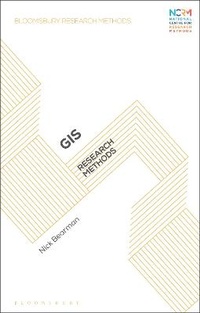
GIS
Research Methods
Published on 10. December 2020
Book
Paperback/Softback
192 pages
978-1-350-12955-9 (ISBN)
Description
This book provides a non-technical overview of the science and tools behind geographic information systems and geographic information science for researchers, students and academics who do not have a GIS or Geography background.
The book covers the history of GIS, from John Snow's Cholera map (1854) right up to today's software and data and cutting-edge analysis techniques. Bearman goes on to cover how to find, use and evaluate the latest data sets to critiquing existing maps, highlighting limitations and common mistakes.
A variety of different GIS methods including Google Maps, GPS, big data, context and choropleth maps are discussed and the pros and cons of each are highlighted allowing you to choose the appropriate method or piece of software for your own research. This is the ideal book for anyone thinking about using GIS in their own research.
The book covers the history of GIS, from John Snow's Cholera map (1854) right up to today's software and data and cutting-edge analysis techniques. Bearman goes on to cover how to find, use and evaluate the latest data sets to critiquing existing maps, highlighting limitations and common mistakes.
A variety of different GIS methods including Google Maps, GPS, big data, context and choropleth maps are discussed and the pros and cons of each are highlighted allowing you to choose the appropriate method or piece of software for your own research. This is the ideal book for anyone thinking about using GIS in their own research.
Reviews / Votes
Using straightforward language that is easily accessible for all audiences, this book covers the foundational concepts and rigor necessary to understand the importance that GIS has in research. Readers will appreciate the mostly software-agnostic approach and the tips and tricks to address common snags one might stumble across. I would highly recommend this book to anyone who is considering getting started with GIS or works with GIS professionals and wants to have a better, high-level understanding of the technology. * Jessica Salo, Associate Professor of Geography and GIS, University of Northern Colorado, USA *More details
Series
Language
English
Place of publication
London
United Kingdom
Publishing group
Bloomsbury Publishing PLC
Target group
College/higher education
Dimensions
Height: 214 mm
Width: 136 mm
Thickness: 10 mm
Weight
940 gr
ISBN-13
978-1-350-12955-9 (9781350129559)
Copyright in bibliographic data and cover images is held by Nielsen Book Services Limited or by the publishers or by their respective licensors: all rights reserved.
Other editions
Person
Nick Bearman is Teaching Fellow in Geospatial Analysis in the Department of Geography, University College London, UK. He also delivers bespoke GIS training programmes to a wide variety of clients, including universities, public and private sector organisations throughout the UK and the world.
Content
Acknowledgements
Series Editor Introduction
Introduction: Using GIS in Social Science
1. History
2. Creating Maps
3. Cartography
4. How is Spatial Data Structured?
5. GIS Software
6. Next Steps
References
Glossary
Index
Series Editor Introduction
Introduction: Using GIS in Social Science
1. History
2. Creating Maps
3. Cartography
4. How is Spatial Data Structured?
5. GIS Software
6. Next Steps
References
Glossary
Index