


Assessing Meaning Making and Self-Authorship: Theory, Research, and Application
ASHE Higher Education Report 38:3
Published on 1. October 2012
Book
Paperback/Softback
160 pages
978-1-118-50054-5 (ISBN)
Description
One reason so many students fail to achieve complex learning goals may be that they rely too heavily on others' opinions about what to believe, who to be, and how to relate to others.
The meaning-making capacity of self-authorship provides a basis from which to understand and learn from one's experiences; without this, students are at a loss to know how to make intentional choices about what to believe and how to act. Similarly, without a means to access and assess students' meaning making, researchers are at a disadvantage in deciding how to interpret students' academic performance and other behaviors, and educators are at a disadvantage in translating findings into the design of new programs and services.
This monograph is for those who are interested in understanding self-authorship and its assessment, and in using this approach in their own work. Drawing from well-established theories and extensive longitudinal research including nearly two thousand interviews, it offers a detailed account of how young adults' capacities become more complex and adaptive over time. Those who understand the role of meaning making will be better able to document its effects on educational outcomes and provide better information to decision makers about program effectiveness.
Each monograph in the series is the definitive analysis of a tough higher education problem, based on thorough research of pertinent literature and institutional experiences. Topics are identified by a national survey. Noted practitioners and scholars are then commissioned to write the reports, with experts providing critical reviews of each manuscript before publication.
The meaning-making capacity of self-authorship provides a basis from which to understand and learn from one's experiences; without this, students are at a loss to know how to make intentional choices about what to believe and how to act. Similarly, without a means to access and assess students' meaning making, researchers are at a disadvantage in deciding how to interpret students' academic performance and other behaviors, and educators are at a disadvantage in translating findings into the design of new programs and services.
This monograph is for those who are interested in understanding self-authorship and its assessment, and in using this approach in their own work. Drawing from well-established theories and extensive longitudinal research including nearly two thousand interviews, it offers a detailed account of how young adults' capacities become more complex and adaptive over time. Those who understand the role of meaning making will be better able to document its effects on educational outcomes and provide better information to decision makers about program effectiveness.
Each monograph in the series is the definitive analysis of a tough higher education problem, based on thorough research of pertinent literature and institutional experiences. Topics are identified by a national survey. Noted practitioners and scholars are then commissioned to write the reports, with experts providing critical reviews of each manuscript before publication.
More details
Series
Language
English
Place of publication
New York
United States
Publishing group
John Wiley & Sons Inc
Target group
Professional and scholarly
Dimensions
Height: 227 mm
Width: 150 mm
Thickness: 10 mm
Weight
259 gr
ISBN-13
978-1-118-50054-5 (9781118500545)
Copyright in bibliographic data is held by Nielsen Book Services Limited or its licensors: all rights reserved.
Schweitzer Classification
Other editions
Additional editions
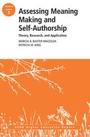
Marcia B. Baxter Magolda | Patricia M. King
Assessing Meaning Making and Self-Authorship
Theory, Research, and Application: ASHE Higher Education Report 38:3
E-Book
09/2012
Jossey-Bass
€22.99
Available for download
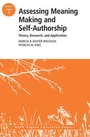
Marcia B. Baxter Magolda | Patricia M. King
Assessing Meaning Making and Self-Authorship
Theory, Research, and Application: ASHE Higher Education Report 38:3
E-Book
09/2012
Jossey-Bass
€22.99
Available for download
Persons
MARCIA B. BAXTER MAGOLDA is associate professor of educational leadership at Miami University. She received the American College Personnel Association Theory and Research Board Award in 1986 and 1989. The author of many articles on intellectual development and gAnder issues, Baxter Magolda also serves on the editorial board of the Journal of College Student Development.
Content
Executive Summary vii Foreword xi
Acknowledgments xv
Nudging Minds to Life: Self-Authorship as a Foundation for Learning 1
Meaning Making and Collegiate Learning Outcomes 4
The Nature of Meaning Making: Constructivist-Developmental Assumptions 5
Self-Evolution and the Journey Toward Self-Authorship 11
Conclusion 17
Assessing Self-Authorship and Its Evolution 21
Assessment Challenges 21
Assessment Formats 25
Four Interviews to Assess Self-Authorship 28
Conclusion 34
Development of the Ten Positions in the Journey Toward Self-Authorship 37
Baxter Magolda's Study 37
Wabash National Study of Liberal Arts Education 40
Nuances of Self-Authorship 51
Trusting External Authority: External Positions 53
Trusting External Authority 54
Tensions with Trusting External Authority 59
Assessing Meaning Making and Self-Authorship v Recognizing Shortcomings of Trusting External Authority 62
Developmental Progression in External Meaning Making 65
Entering the Crossroads: Predominantly External Positions 67
Questioning External Authority 67
Constructing the Internal Voice 73
Developmental Progression in Entering the Crossroads 76
Leaving the Crossroads: Predominantly Internal Positions 77
Listening to the Internal Voice 77
Cultivating the Internal Voice 78
Developmental Progression in Leaving the Crossroads 86
Self-Authorship: Internal Positions 87
Trusting the Internal Voice 88
Building an Internal Foundation 90
Securing Internal Commitments 93
Developmental Progression in Internal Meaning Making 98
Using the Self-Authorship Assessment Guide 101
Assessing Student Characteristics and Experience 102
Example of a Phase 1 Summary (Excerpts) 104
Assessing Developmental Meaning Making 107
Example of a Phase 2 Summary (Excerpts) 107
Links Between Development and Experiences 116
Working Through Difficult Summaries 117
The Value of Listening to Students 119
Appendix: Wabash National Study of Liberal Arts Education: Qualitative Research Team 121
References 123
Name Index 131
Subject Index 133
About the Authors 137
Acknowledgments xv
Nudging Minds to Life: Self-Authorship as a Foundation for Learning 1
Meaning Making and Collegiate Learning Outcomes 4
The Nature of Meaning Making: Constructivist-Developmental Assumptions 5
Self-Evolution and the Journey Toward Self-Authorship 11
Conclusion 17
Assessing Self-Authorship and Its Evolution 21
Assessment Challenges 21
Assessment Formats 25
Four Interviews to Assess Self-Authorship 28
Conclusion 34
Development of the Ten Positions in the Journey Toward Self-Authorship 37
Baxter Magolda's Study 37
Wabash National Study of Liberal Arts Education 40
Nuances of Self-Authorship 51
Trusting External Authority: External Positions 53
Trusting External Authority 54
Tensions with Trusting External Authority 59
Assessing Meaning Making and Self-Authorship v Recognizing Shortcomings of Trusting External Authority 62
Developmental Progression in External Meaning Making 65
Entering the Crossroads: Predominantly External Positions 67
Questioning External Authority 67
Constructing the Internal Voice 73
Developmental Progression in Entering the Crossroads 76
Leaving the Crossroads: Predominantly Internal Positions 77
Listening to the Internal Voice 77
Cultivating the Internal Voice 78
Developmental Progression in Leaving the Crossroads 86
Self-Authorship: Internal Positions 87
Trusting the Internal Voice 88
Building an Internal Foundation 90
Securing Internal Commitments 93
Developmental Progression in Internal Meaning Making 98
Using the Self-Authorship Assessment Guide 101
Assessing Student Characteristics and Experience 102
Example of a Phase 1 Summary (Excerpts) 104
Assessing Developmental Meaning Making 107
Example of a Phase 2 Summary (Excerpts) 107
Links Between Development and Experiences 116
Working Through Difficult Summaries 117
The Value of Listening to Students 119
Appendix: Wabash National Study of Liberal Arts Education: Qualitative Research Team 121
References 123
Name Index 131
Subject Index 133
About the Authors 137