

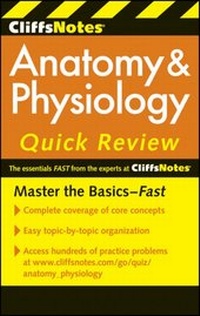
CliffsNotes Anatomy and Physiology Quick Review
2nd Edition
Published on 22. July 2011
Book
Paperback/Softback
368 pages
978-0-470-87874-3 (ISBN)
Description
* Delivers the appropriate amount of expert coverage on anatomy and physiology topics for consumers who need a supplement to a standard andatomy and/or physiology text; who need to prepare for exams; or who need to brush up on the fundamentals of these subjects
* Chapter Check-In gives readers an overview of what they'll learn in the chapter
* Chapter Check-Out reviews the chapter to enforce the items learned and help with comprehension
* Review section is a summary test on all chapter topics in the book -- great tool for teachers and students
* Resource Center directs reader to additional information available for the subject such as books and websites
* 500 practice questions available online at CliffsNotes.com and directly ties to each chapter in the book!
More details
Edition
2., Auflage
Language
English
Place of publication
United States
Publishing group
Houghton Mifflin Harcourt Publishing Company
Target group
College/higher education
Edition type
Revised edition
Illustrations
Illustrations
Dimensions
Height: 20.8 cm
Width: 13.2 cm
Thickness: 20 mm
Weight
344 gr
ISBN-13
978-0-470-87874-3 (9780470878743)
Schweitzer Classification
Other editions
Additional editions
Steven Bassett
CliffsNotes Anatomy & Physiology Quick Review, 2nd Edition
E-Book
07/2011
Cliffs Notes
€8.99
Available for download
Person
Steven Bassett (Lincoln, NE), who is handling this revision, is a professor of anatomy at Southeast Community College in Lincoln, Nebraska.
Content
Introduction.
Why You Need Th is Book.
How to Use Th is Book.
Hundreds of Practice Questions Online!
Chapter 1: Anatomy and Chemistry basics.
What Is Anatomy and Physiology?
Atoms, Molecules, Ions, and Bonds.
Inorganic Compounds.
Organic Molecules.
Chemical Reactions in Metabolic Processes.
Chapter 2: The Cell.
Th e Cell and Its Membrane.
Cell Junctions.
Movement of Substances.
Cell Division.
Chapter 3: Tissues.
Epithelial Tissue.
Connective Tissue.
Nervous Tissue.
Muscle Tissue.
Chapter 4: The Integumentary System.
The Skin and Its Functions.
The Epidermis.
The Dermis.
The Hypodermis.
Accessory Organs of the Skin.
Chapter 5: Bones And Skeletal Tissues.
Functions of Bones.
Types of Bones.
Bone Structure.
Bone Development.
Bone Growth.
Bone Homeostasis.
Surface Features of Bones.
Chapter 6: The Skeletal System.
Organization of the Skeleton.
Skull: Cranium and Facial Bones.
Hyoid Bone.
Vertebral Column.
Thorax.
Pectoral Girdle.
Upper Limb.
Pelvic Girdle.
Lower Limb.
Chapter 7: Articulations.
Classifying Joints.
Chapter 8: Muscle Tissue.
Types of Muscles.
Connective Tissue Associated with Muscle Tissue.
Structure of Skeletal Muscle.
Muscle Contraction.
Muscle metabolism.
Structure of Cardiac and Smooth Muscle.
Chapter 9: The Muscular System.
Skeletal Muscle Actions.
Names of Skeletal Muscles.
Muscle Size and Arrangement of Muscle Fascicles.
Major Skeletal Muscles.
Chapter 10: Nervous Tissue.
Neurons.
Neuroglia.
Myelination.
Transmission of Nerve Impulses.
The Synapse.
Chapter 11: The Nervous System.
Nervous System Organization.
Nervous System Terminology.
The Brain.
The Ventricles and Cerebrospinal Fluid.
The Meninges.
The Blood-Brain Barrier.
Cranial Nerves.
The Spinal Cord.
Spinal Nerves.
Reflexes.
The Autonomic Nervous System.
Chapter 12: The Sensory System.
Sensory Receptors.
The Somatic Senses.
Vision.
Hearing.
Equilibrium.
Smell.
Taste.
Chapter 13: The Endocrine System.
Hormones.
The Hypothalamus and Pituitary Glands.
Endocrine Organs and Tissues.
Antagonistic Hormones.
Chapter 14: The Cardiovascular System.
The Functions.
The Blood.
Blood Formation.
Hemostasis.
Blood Groups.
Circulatory Pathways.
The Heart.
Cardiac Conduction.
Cardiac Muscle Contraction.
Electrocardiogram.
The Cardiac Cycle.
Cardiac Output.
Blood Vessels.
Blood Pressure.
Control of Blood Pressure.
Blood Vessels of the Body.
Chapter 15: The Lymphatic System.
Lymphatic System Components.
Lymphatic Vessels.
Lymphoid Cells.
Lymphatic Tissues and Organs.
Chapter 16: The Immune System And Other Body Defenses.
Protecting Your Body.
Nonspecifi c Barriers.
Nonspecifi c Defenses.
Specific Defense (The Immune System).
Major Histocompatibility Complex.
Lymphocytes.
Antibodies.
Costimulation.
Humoral and Cell-Mediated Immune Responses.
Supplements to the Immune Response.
Chapter 17: The Respiratory System.
Function of the Respiratory System.
Structure of the Respiratory System.
Lungs.
Mechanics of Breathing.
Lung Volumes and Capacities.
Gas Exchange.
Gas Transport.
Control of Respiration.
Chapter 18: The Digestive System.
Function of the Digestive System.
Structure of the Digestive Tract Wall.
Digestive Enzymes.
The Mouth.
The Pharynx.
The Esophagus.
Deglutition (Swallowing).
The Stomach.
The Small Intestine.
Large Intestine.
The Pancreas.
The Liver and Gallbladder.
Regulation of Digestion.
Chapter 19: The Urinary System.
Anatomy of the Kidneys.
Regulation of Urine Concentration.
Ureters.
Urinary Bladder.
Urethra.
Chapter 20: The Reproductive System.
What Is Reproduction?
Th e Male Reproductive System.
Th e Female
Why You Need Th is Book.
How to Use Th is Book.
Hundreds of Practice Questions Online!
Chapter 1: Anatomy and Chemistry basics.
What Is Anatomy and Physiology?
Atoms, Molecules, Ions, and Bonds.
Inorganic Compounds.
Organic Molecules.
Chemical Reactions in Metabolic Processes.
Chapter 2: The Cell.
Th e Cell and Its Membrane.
Cell Junctions.
Movement of Substances.
Cell Division.
Chapter 3: Tissues.
Epithelial Tissue.
Connective Tissue.
Nervous Tissue.
Muscle Tissue.
Chapter 4: The Integumentary System.
The Skin and Its Functions.
The Epidermis.
The Dermis.
The Hypodermis.
Accessory Organs of the Skin.
Chapter 5: Bones And Skeletal Tissues.
Functions of Bones.
Types of Bones.
Bone Structure.
Bone Development.
Bone Growth.
Bone Homeostasis.
Surface Features of Bones.
Chapter 6: The Skeletal System.
Organization of the Skeleton.
Skull: Cranium and Facial Bones.
Hyoid Bone.
Vertebral Column.
Thorax.
Pectoral Girdle.
Upper Limb.
Pelvic Girdle.
Lower Limb.
Chapter 7: Articulations.
Classifying Joints.
Chapter 8: Muscle Tissue.
Types of Muscles.
Connective Tissue Associated with Muscle Tissue.
Structure of Skeletal Muscle.
Muscle Contraction.
Muscle metabolism.
Structure of Cardiac and Smooth Muscle.
Chapter 9: The Muscular System.
Skeletal Muscle Actions.
Names of Skeletal Muscles.
Muscle Size and Arrangement of Muscle Fascicles.
Major Skeletal Muscles.
Chapter 10: Nervous Tissue.
Neurons.
Neuroglia.
Myelination.
Transmission of Nerve Impulses.
The Synapse.
Chapter 11: The Nervous System.
Nervous System Organization.
Nervous System Terminology.
The Brain.
The Ventricles and Cerebrospinal Fluid.
The Meninges.
The Blood-Brain Barrier.
Cranial Nerves.
The Spinal Cord.
Spinal Nerves.
Reflexes.
The Autonomic Nervous System.
Chapter 12: The Sensory System.
Sensory Receptors.
The Somatic Senses.
Vision.
Hearing.
Equilibrium.
Smell.
Taste.
Chapter 13: The Endocrine System.
Hormones.
The Hypothalamus and Pituitary Glands.
Endocrine Organs and Tissues.
Antagonistic Hormones.
Chapter 14: The Cardiovascular System.
The Functions.
The Blood.
Blood Formation.
Hemostasis.
Blood Groups.
Circulatory Pathways.
The Heart.
Cardiac Conduction.
Cardiac Muscle Contraction.
Electrocardiogram.
The Cardiac Cycle.
Cardiac Output.
Blood Vessels.
Blood Pressure.
Control of Blood Pressure.
Blood Vessels of the Body.
Chapter 15: The Lymphatic System.
Lymphatic System Components.
Lymphatic Vessels.
Lymphoid Cells.
Lymphatic Tissues and Organs.
Chapter 16: The Immune System And Other Body Defenses.
Protecting Your Body.
Nonspecifi c Barriers.
Nonspecifi c Defenses.
Specific Defense (The Immune System).
Major Histocompatibility Complex.
Lymphocytes.
Antibodies.
Costimulation.
Humoral and Cell-Mediated Immune Responses.
Supplements to the Immune Response.
Chapter 17: The Respiratory System.
Function of the Respiratory System.
Structure of the Respiratory System.
Lungs.
Mechanics of Breathing.
Lung Volumes and Capacities.
Gas Exchange.
Gas Transport.
Control of Respiration.
Chapter 18: The Digestive System.
Function of the Digestive System.
Structure of the Digestive Tract Wall.
Digestive Enzymes.
The Mouth.
The Pharynx.
The Esophagus.
Deglutition (Swallowing).
The Stomach.
The Small Intestine.
Large Intestine.
The Pancreas.
The Liver and Gallbladder.
Regulation of Digestion.
Chapter 19: The Urinary System.
Anatomy of the Kidneys.
Regulation of Urine Concentration.
Ureters.
Urinary Bladder.
Urethra.
Chapter 20: The Reproductive System.
What Is Reproduction?
Th e Male Reproductive System.
Th e Female