

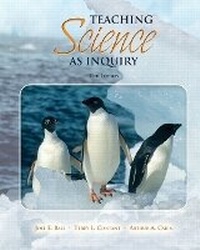
Teaching Science as Inquiry with MyEducationLab
11th Edition
Published on 30. July 2008
Book
Mixed media product
600 pages
978-0-13-814374-9 (ISBN)
Description
Research tells us that an inquiry approach to science teaching motivates and engages every type of student, helping them understand science's relevance to their lives, as well as the nature of science itself. Teaching Science as Inquiry demonstrates a manageable way for new and experienced teachers to bring inquiry successfully into the science classroom through a 2-part structure: Methods for Teaching Science as Inquiry and Activities for Teaching Science as Inquiry. The Methods portion scaffolds concepts and illustrates instructional models to help readers understand the inquiry approach to teaching. The Activities portion follows the 5-E model (Engage, Explore, Explain, Elaborate, Evaluate), a Learning Cycle model introduced in the methods chapters that reflects the NSES Science as Inquiry Standards.
With a new theme of "accountable inquiry," this leading methods text has a renewed focus on assessment (focusing on backwards planning, aligning objectives with assessments, and how to develop understanding of concepts that appear on standardized tests throughout the process of inquiry).
With a new theme of "accountable inquiry," this leading methods text has a renewed focus on assessment (focusing on backwards planning, aligning objectives with assessments, and how to develop understanding of concepts that appear on standardized tests throughout the process of inquiry).
More details
Edition
11th edition
Language
English
Place of publication
Old Tappan
United States
Publishing group
Pearson Education (US)
Target group
Professional and scholarly
Dimensions
Height: 202 mm
Width: 254 mm
Thickness: 24 mm
Weight
1080 gr
ISBN-13
978-0-13-814374-9 (9780138143749)
Copyright in bibliographic data and cover images is held by Nielsen Book Services Limited or by the publishers or by their respective licensors: all rights reserved.
Schweitzer Classification
Other editions
New editions
Joel L. Bass | Terry L. Contant | Arthur A. Carin
Teaching Science Through Inquiry and Investigation
Book
05/2012
12th Edition
Pearson
€105.22
Article not available
Content
Chapter 1 Children, Science, and Inquiry: Some Preliminary Questions
What Does It Mean to Teach Science As Inquiry?
Why Should Children Learn Science?
U.S. Science Education: Where Have We Been, Where Are We Now, Where Are We Going?
What Shall We Teach in Science?
Science and Technology
Teachers and Inquiry
Chapter 2 Processes and Strategies for Inquiry
Processes of Science
Descriptive, Classificatory, and Experimental Investigations
Teachers, Children, and Inquiry
Chapter 3 Learning Science with Understanding
The New View of Learning
Enhancing the Understanding of Science
Children's Alternative Conceptions and Science Learning
Development, Learning, and Science Teaching
Chapter 4 Teaching Science for Understanding: The 5-E Model of Instruction
Inquiry Instruction
The 5-E Model of Science Instruction
Guided Discovery, Textbook, and Direct Instruction
Approaches to Teaching Science
Research on the Effectiveness of Different Approaches to Science Instruction
Selecting Instructional Approaches for Teaching Science
Chapter 5 Planning and Managing Inquiry Instruction
Planning Science Lessons
Managing Inquiry Instruction and Learning
Chapter 6 Assessing Science Learning
Assessment and Evaluation
Assessment and Inquiry Science
Informal, Traditional, and Performance Assessments
Fitting Assessment Methods to Learning Objectives
Examples of Informal Assessments
Examples of Performance Assessment
Examples of Traditional Assessment Items
Characteristics of Items on Statewide Tests of Science
Chapter 7 Effective Questioning
Questioning: An Essential Tool for Teachers
Questioning to Guide Inquiry Discussions
Responding to Student Ideas
Questioning Strategies in the Classroom: Properties of Air in First Grade
Some Considerations in Questioning
Chapter 8 Technology Tools and Resources for Inquiry Science
Educational Technology
The Internet as a Technology Resource for Inquiry Science
Use Commercially Available Multimedia Packages to Enhance Science Inquiry
Use Instructional Software Packages
Use Computer-Based Laboratories to Collect and Process Data
Use Spreadsheets to Organize and Analyze Data
Communicate Through Multimedia Presentations
Managing Educational Technology in the Science Classroom
Take the Plunge-Join the Information Age
Chapter 9 Connecting Science With Other Subjects
Connecting Science and Mathematics
Connecting Science and Literacy
Connecting Science and Social Studies
Chapter 10 Science for All Learners
Students with Special Learning Needs
Science for Gifted and Talented Students
Science for Students from Linguistically and Culturally Diverse Backgrounds
ACTIVITIES FOR TEACHING SCIENCE AS INQUIRY
Section I: Teaching Inquiry Science Activities
Section II: Physical Sciences Activities
Section III: Life Science Activities
Section IV: Earth and Space Science Activities
APPENDICES
Appendix A: Safety Suggestions for Elementary and Middle School Inquiry Activities
Appendix B: Measuring Tools, Measuring Skills
Appendix C: Selected Sources of Science Supplies, Models, Living Things, Kits, and Software
Appendix D: Selected Science Education Periodicals for Teachers and Children
Appendix E: Professional Societies for Teachers, Supervisors, and Science Educators
Appenidx F: Contemporary Elementary Science Projects and Programs
What Does It Mean to Teach Science As Inquiry?
Why Should Children Learn Science?
U.S. Science Education: Where Have We Been, Where Are We Now, Where Are We Going?
What Shall We Teach in Science?
Science and Technology
Teachers and Inquiry
Chapter 2 Processes and Strategies for Inquiry
Processes of Science
Descriptive, Classificatory, and Experimental Investigations
Teachers, Children, and Inquiry
Chapter 3 Learning Science with Understanding
The New View of Learning
Enhancing the Understanding of Science
Children's Alternative Conceptions and Science Learning
Development, Learning, and Science Teaching
Chapter 4 Teaching Science for Understanding: The 5-E Model of Instruction
Inquiry Instruction
The 5-E Model of Science Instruction
Guided Discovery, Textbook, and Direct Instruction
Approaches to Teaching Science
Research on the Effectiveness of Different Approaches to Science Instruction
Selecting Instructional Approaches for Teaching Science
Chapter 5 Planning and Managing Inquiry Instruction
Planning Science Lessons
Managing Inquiry Instruction and Learning
Chapter 6 Assessing Science Learning
Assessment and Evaluation
Assessment and Inquiry Science
Informal, Traditional, and Performance Assessments
Fitting Assessment Methods to Learning Objectives
Examples of Informal Assessments
Examples of Performance Assessment
Examples of Traditional Assessment Items
Characteristics of Items on Statewide Tests of Science
Chapter 7 Effective Questioning
Questioning: An Essential Tool for Teachers
Questioning to Guide Inquiry Discussions
Responding to Student Ideas
Questioning Strategies in the Classroom: Properties of Air in First Grade
Some Considerations in Questioning
Chapter 8 Technology Tools and Resources for Inquiry Science
Educational Technology
The Internet as a Technology Resource for Inquiry Science
Use Commercially Available Multimedia Packages to Enhance Science Inquiry
Use Instructional Software Packages
Use Computer-Based Laboratories to Collect and Process Data
Use Spreadsheets to Organize and Analyze Data
Communicate Through Multimedia Presentations
Managing Educational Technology in the Science Classroom
Take the Plunge-Join the Information Age
Chapter 9 Connecting Science With Other Subjects
Connecting Science and Mathematics
Connecting Science and Literacy
Connecting Science and Social Studies
Chapter 10 Science for All Learners
Students with Special Learning Needs
Science for Gifted and Talented Students
Science for Students from Linguistically and Culturally Diverse Backgrounds
ACTIVITIES FOR TEACHING SCIENCE AS INQUIRY
Section I: Teaching Inquiry Science Activities
Section II: Physical Sciences Activities
Section III: Life Science Activities
Section IV: Earth and Space Science Activities
APPENDICES
Appendix A: Safety Suggestions for Elementary and Middle School Inquiry Activities
Appendix B: Measuring Tools, Measuring Skills
Appendix C: Selected Sources of Science Supplies, Models, Living Things, Kits, and Software
Appendix D: Selected Science Education Periodicals for Teachers and Children
Appendix E: Professional Societies for Teachers, Supervisors, and Science Educators
Appenidx F: Contemporary Elementary Science Projects and Programs