

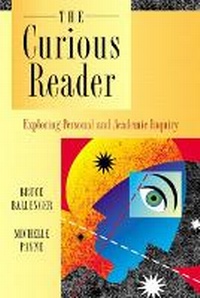
The Curious Reader
Exploring Personal and Academic Inquiry
Published on 4. July 2002
Book
Paperback/Softback
528 pages
978-0-205-31801-8 (ISBN)
Description
The Curious Reader is the first composition reader that bridges the gap between personal and academic writing, while introducing students to the unique reading strategies of writers who research.
Beginning with essays and creative nonfiction articles that most students will be surprised to discover are research-based, chapter by chapter The Curious Reader leads students to see the many connections between all fact-based writing, whether it's a personal essay or an article from a scholarly journal.
The text also highlights some of the unique reading strategies students should practice when they read as researchers. The Curious Reader makes reading strategies a main topic throughout the text, and devotes an entire chapter to how students might adjust their reading habits when tackling a scholarly article for a research paper. The text features an entirely new way of looking at reading-how to read "ethnographically"-which draws on the basic idea that academic writing is a kind of culture that students must first observe as outsiders, much the way a sociologist studies an urban neighborhood or an anthropologist studies a Central American village.
Written in a lively, accessible style, The Curious Reader challenges student expectations of what textbooks are like as well. Numerous exercises scattered throughout the book invite students to explore their own angles on the topics presented as well as reflect on what they're learning about reading and research. All of the chapters feature projects and assignments inspired students can pursue, and most chapters include assignments the entire class can pursue for a week or more.
While The Curious Reader is particularly well suited to the composition course that emphasizes research, it can be successful in nearly any course where instructors want to demonstrate the connections between personal and academic writing.
Beginning with essays and creative nonfiction articles that most students will be surprised to discover are research-based, chapter by chapter The Curious Reader leads students to see the many connections between all fact-based writing, whether it's a personal essay or an article from a scholarly journal.
The text also highlights some of the unique reading strategies students should practice when they read as researchers. The Curious Reader makes reading strategies a main topic throughout the text, and devotes an entire chapter to how students might adjust their reading habits when tackling a scholarly article for a research paper. The text features an entirely new way of looking at reading-how to read "ethnographically"-which draws on the basic idea that academic writing is a kind of culture that students must first observe as outsiders, much the way a sociologist studies an urban neighborhood or an anthropologist studies a Central American village.
Written in a lively, accessible style, The Curious Reader challenges student expectations of what textbooks are like as well. Numerous exercises scattered throughout the book invite students to explore their own angles on the topics presented as well as reflect on what they're learning about reading and research. All of the chapters feature projects and assignments inspired students can pursue, and most chapters include assignments the entire class can pursue for a week or more.
While The Curious Reader is particularly well suited to the composition course that emphasizes research, it can be successful in nearly any course where instructors want to demonstrate the connections between personal and academic writing.
More details
Language
English
Place of publication
United States
Publishing group
Pearson Education (US)
Target group
Professional and scholarly
Dimensions
Height: 229 mm
Width: 152 mm
Weight
1000 gr
ISBN-13
978-0-205-31801-8 (9780205318018)
Copyright in bibliographic data and cover images is held by Nielsen Book Services Limited or by the publishers or by their respective licensors: all rights reserved.
Schweitzer Classification
Other editions
New editions
Book
09/2005
2nd Edition
Pearson
€97.79
Article is exhausted; no reprint
Content
1. Research and the Problems of Everyday Life.
Research and the Spirit of Inquiry.
2. Strategies for a Curious Reader.
Nonfiction or Fiction.
How a Researcher Reads.
Four Techniques for Strategic Reading.
An Alternative to the Dialogue Journal.
How to Use This Book.
3. An Amateur's Raid in a World of Specialists: Essaying Research.
Introduction: The Research Essay.
Selection of Readings.
No Wonder They Call Me a Bitch by Ann Hodgman.
Little Suckers by Richard Conniff.
Some Dreamers of the Golden Dream by Joan Didion.
On Societies as Organisms by Lewis Thomas.
Looking at Women by Scott Russell Sanders.
My Secret History by Jillian A. Sims.
Let Them Eat Fat by Greg Crister.
Student Essay: An Experience in Acronyms by Jay Holmquist.
4. Boundary Crossings: When Academic Research Gets Personal.
Introduction.
Exercise 2.1 Shalt I?
Selection of Readings.
Somebody Must Say These Things by Melody Graulich.
Earthquake News by M. Duane Picard.
Joe Cool's Work by Gib Akin.
Grief and a Headhunter's Rage by Renato Rosaldo.
Small Town Race: A Performance Text by Daryl A. Pifer.
Death of the Profane by Patricia Williams.
Flight from Cool by Jonathan Zimmerman.
Student Essay: In Search of Grace by Peggy Jordan.
5. Seeing Thickly: Ethnography.
Introduction.
Selection of Readings.
Fifteen by Bob Greene.
American Male at Age Ten by Susan Orlean.
Connie and the Sandman Ladies by Anne Campbell.
Streets, Sidewalks, Stores and Stories by Timothy Simpson.
Life Online: Researching Real Experience in Virtual Space by Annette Markham.
The Cave by Jon Katz.
Student Essay: Mary Kay: American Dream in a Bottle by Tammy Anderson.
6. Making Sense of Formal Research: An Ethnography of Reading.
Introduction.
Selection of Readings.
Challenges Confronting Cross-Sex Friendships: Much Ado About Nothing? by Michael Monsour, Bridgid Harris, Nancy Kurzweil, and Chris Beard.
Love Without Sex: The Impact of Psychological Intimacy Between Men and Woman at Work by Robert Quinn, Sharon A. Lobel, and Lynda St. Clair.
Celibate Passion by Kathleen Norris.
Just Friends by Abby Ellin.
7. Shocking Pictures: Reading and Writing Across Genres and Disciplines.
Introduction.
Selection of Readings.
Case Study #26: Photojournalism and Tragedy by Clifford Christians, Kim Rotzoll and Mark Farkler.
National Press Photographers Association Code of Ethics.
The Boston Photographs by Nora Ephron.
Victims of Violence by Paul M. Lester.
Is the Medium the Message? An Experimental Test with Morbid News by Ellen M. Bennett, Jill Diane Swenson, and Jeff S. Wilkinson.
In Plato's Cave by Susan Sontag.
The Dying and Reviving of Death by Donald Heinz.
8. Coming to Know: Readings on Inquiry.
Introduction.
Selection of Readings.
Buffalo by Barry Lopez.
The Lesson by Toni Cade Bambara.
Learning Styles and Intellectual Development by Bette LaSere Erickson and Diane Weltner Sommer.
Received Knowledge by Mary Belenky et. al.
What Michael Said: Confessions of the Epistemologically Challenged by Bruce Ballenger.
Methodological Believing and Doubting: Contraries in Inquiry by Peter Elbow.
From the Outside In by Barbara Mellix.
Index.
Research and the Spirit of Inquiry.
2. Strategies for a Curious Reader.
Nonfiction or Fiction.
How a Researcher Reads.
Four Techniques for Strategic Reading.
An Alternative to the Dialogue Journal.
How to Use This Book.
3. An Amateur's Raid in a World of Specialists: Essaying Research.
Introduction: The Research Essay.
Selection of Readings.
No Wonder They Call Me a Bitch by Ann Hodgman.
Little Suckers by Richard Conniff.
Some Dreamers of the Golden Dream by Joan Didion.
On Societies as Organisms by Lewis Thomas.
Looking at Women by Scott Russell Sanders.
My Secret History by Jillian A. Sims.
Let Them Eat Fat by Greg Crister.
Student Essay: An Experience in Acronyms by Jay Holmquist.
4. Boundary Crossings: When Academic Research Gets Personal.
Introduction.
Exercise 2.1 Shalt I?
Selection of Readings.
Somebody Must Say These Things by Melody Graulich.
Earthquake News by M. Duane Picard.
Joe Cool's Work by Gib Akin.
Grief and a Headhunter's Rage by Renato Rosaldo.
Small Town Race: A Performance Text by Daryl A. Pifer.
Death of the Profane by Patricia Williams.
Flight from Cool by Jonathan Zimmerman.
Student Essay: In Search of Grace by Peggy Jordan.
5. Seeing Thickly: Ethnography.
Introduction.
Selection of Readings.
Fifteen by Bob Greene.
American Male at Age Ten by Susan Orlean.
Connie and the Sandman Ladies by Anne Campbell.
Streets, Sidewalks, Stores and Stories by Timothy Simpson.
Life Online: Researching Real Experience in Virtual Space by Annette Markham.
The Cave by Jon Katz.
Student Essay: Mary Kay: American Dream in a Bottle by Tammy Anderson.
6. Making Sense of Formal Research: An Ethnography of Reading.
Introduction.
Selection of Readings.
Challenges Confronting Cross-Sex Friendships: Much Ado About Nothing? by Michael Monsour, Bridgid Harris, Nancy Kurzweil, and Chris Beard.
Love Without Sex: The Impact of Psychological Intimacy Between Men and Woman at Work by Robert Quinn, Sharon A. Lobel, and Lynda St. Clair.
Celibate Passion by Kathleen Norris.
Just Friends by Abby Ellin.
7. Shocking Pictures: Reading and Writing Across Genres and Disciplines.
Introduction.
Selection of Readings.
Case Study #26: Photojournalism and Tragedy by Clifford Christians, Kim Rotzoll and Mark Farkler.
National Press Photographers Association Code of Ethics.
The Boston Photographs by Nora Ephron.
Victims of Violence by Paul M. Lester.
Is the Medium the Message? An Experimental Test with Morbid News by Ellen M. Bennett, Jill Diane Swenson, and Jeff S. Wilkinson.
In Plato's Cave by Susan Sontag.
The Dying and Reviving of Death by Donald Heinz.
8. Coming to Know: Readings on Inquiry.
Introduction.
Selection of Readings.
Buffalo by Barry Lopez.
The Lesson by Toni Cade Bambara.
Learning Styles and Intellectual Development by Bette LaSere Erickson and Diane Weltner Sommer.
Received Knowledge by Mary Belenky et. al.
What Michael Said: Confessions of the Epistemologically Challenged by Bruce Ballenger.
Methodological Believing and Doubting: Contraries in Inquiry by Peter Elbow.
From the Outside In by Barbara Mellix.
Index.