


Britain and the Crisis of the European Union
Published on 14. January 2014
Book
Paperback/Softback
234 pages
978-1-349-55500-0 (ISBN)
Description
This book centres on the effects of the political and later economic crisis which seriously affected the European Union and its impact on the seemingly endless UK debate over Britain's position within the EU.
More details
Edition
2015 ed.
Language
English
Place of publication
London
United Kingdom
Product notice
Paperback (trade)
Unsewn / adhesive bound
Illustrations
Bibliography
Dimensions
Height: 216 mm
Width: 140 mm
ISBN-13
978-1-349-55500-0 (9781349555000)
DOI
10.1057/9781137005205
Copyright in bibliographic data is held by Nielsen Book Services Limited or its licensors: all rights reserved.
Schweitzer Classification
Other editions
Additional editions
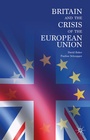
David Baker | Pauline Schnapper
Britain and the Crisis of the European Union
E-Book
01/2016
Palgrave Macmillan
€96.29
Available for download
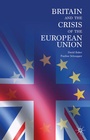
David Baker | Pauline Schnapper
Britain and the Crisis of the European Union
Book
08/2015
Palgrave Macmillan
€96.29
Shipment within 10-20 days
Persons
Content
List of tables and figures
Acknowledgements
Introduction
1. A Multi-Faceted Crisis
2. Britain and Europe in a new Global Environment
3. Notes on Theory and Method
4. Intergovernmentalism and Historical Institutionalism
5. Comparative and Historical Political Economy
6. Outline
PART I: THE POLITICAL ECONOMY OF THE EUROZONE CRISIS
7. The Eurozone: A Crisis Waiting to Happen
8. The EZ Crisis - An Analytical Chronology
9. Phase One: From Maastricht to Meltdown
10. Phase Two: The Sovereign Debt Crisis
11. Solutions become problems
12. European Integration - From Embedded Liberalism to Variegated Neoliberalism
13. Conclusion: Winner Takes All, But at What Cost ?
PART II: BRITISH PREFERENCES IN THE EUROPEAN UNION: UNSUNG SUCCESS
14. Consequences of a Late Entry 1945-79
15. The Conservative Governments 1979-97
16. The New Labour Years
17. The Convention and Constitutional Treaty
18. Conclusion
PART III: EUROSCEPTICISM IN BRITAIN
19. British Euroscepticism
20. Divisions about Europe 1945-88
21. Blair and New Labour: An End to Divisions ?
22. The Conservative Party after 1997: the Drift towards Hard Euroscepticism
23. Public Opinion since the late 1990s
24. Conclusion
PART IV: THE CRISIS OF DEMOCRACY IN THE UNITED KINGDOM
25. Disillusionment and the Strains in the Political System
26. Fragmentation and Polarisation
27. The Effect of National and Global Trends
28. The Rise of Populist Parties
29. The Political Use of Referendums
30. Devolution and the Possible End of the British State
31. Conclusion
PART V: BRITAIN AND THE POLITICAL CRISIS IN THE EUROPEAN UNION
32. An Ongoing Academic Debate
33. Consequences of the Financial and Economic Crisis
34. Attempts to Respond to the ''Democratic Deficit''
35. Domestic Crises and the Fear of Globalisation
36. Conclusion
PART VI: BRITAIN AND THE ECONOMIC CRISIS IN THE EUROPEAN UNION
37. The View from London
38. British Exceptionalism in the EU
39. Nation and Atlanticsm: the Exceptional Community
40. Nationhood and Sovereignty
41. A Alternative for Britain in the Global Economy ?
42. Hyperglobalism
43. Open Regionalism
44. Intergovernmentalism
45. Hyperglobalism: Will Winner Take All ?
46. Cameron''s Diplomacy in Europe and the Failure of Tory Statecraft
47. Semi-Detachment or ''Brexit'' ?
Conclusion
Bibliography
Acknowledgements
Introduction
1. A Multi-Faceted Crisis
2. Britain and Europe in a new Global Environment
3. Notes on Theory and Method
4. Intergovernmentalism and Historical Institutionalism
5. Comparative and Historical Political Economy
6. Outline
PART I: THE POLITICAL ECONOMY OF THE EUROZONE CRISIS
7. The Eurozone: A Crisis Waiting to Happen
8. The EZ Crisis - An Analytical Chronology
9. Phase One: From Maastricht to Meltdown
10. Phase Two: The Sovereign Debt Crisis
11. Solutions become problems
12. European Integration - From Embedded Liberalism to Variegated Neoliberalism
13. Conclusion: Winner Takes All, But at What Cost ?
PART II: BRITISH PREFERENCES IN THE EUROPEAN UNION: UNSUNG SUCCESS
14. Consequences of a Late Entry 1945-79
15. The Conservative Governments 1979-97
16. The New Labour Years
17. The Convention and Constitutional Treaty
18. Conclusion
PART III: EUROSCEPTICISM IN BRITAIN
19. British Euroscepticism
20. Divisions about Europe 1945-88
21. Blair and New Labour: An End to Divisions ?
22. The Conservative Party after 1997: the Drift towards Hard Euroscepticism
23. Public Opinion since the late 1990s
24. Conclusion
PART IV: THE CRISIS OF DEMOCRACY IN THE UNITED KINGDOM
25. Disillusionment and the Strains in the Political System
26. Fragmentation and Polarisation
27. The Effect of National and Global Trends
28. The Rise of Populist Parties
29. The Political Use of Referendums
30. Devolution and the Possible End of the British State
31. Conclusion
PART V: BRITAIN AND THE POLITICAL CRISIS IN THE EUROPEAN UNION
32. An Ongoing Academic Debate
33. Consequences of the Financial and Economic Crisis
34. Attempts to Respond to the ''Democratic Deficit''
35. Domestic Crises and the Fear of Globalisation
36. Conclusion
PART VI: BRITAIN AND THE ECONOMIC CRISIS IN THE EUROPEAN UNION
37. The View from London
38. British Exceptionalism in the EU
39. Nation and Atlanticsm: the Exceptional Community
40. Nationhood and Sovereignty
41. A Alternative for Britain in the Global Economy ?
42. Hyperglobalism
43. Open Regionalism
44. Intergovernmentalism
45. Hyperglobalism: Will Winner Take All ?
46. Cameron''s Diplomacy in Europe and the Failure of Tory Statecraft
47. Semi-Detachment or ''Brexit'' ?
Conclusion
Bibliography