

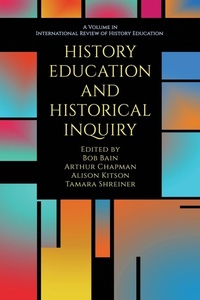
History Education and Historical Inquiry
Published on 3. April 2024
Book
Paperback/Softback
440 pages
979-8-88730-352-9 (ISBN)
Description
Inquiry plays a vital role in history as a discipline which constructs knowledge about the past and it is a vital organizing principle in history education in many countries around the world. Inquiry is also much debated, however, and although it has prominent contemporary advocates around the world, it also has prominent critics in education studies. This volume in the International Review of History Education explores the role of historical inquiry in history curricula and in history classrooms and addresses a series of linked questions, including the following:
What does historical inquiry mean in history classrooms?
What forms does classroom based historical inquiry take, and to what extent is it understood in differing ways in different contexts?
What do we know about the affordances and constraints associated with inquiry-based learning in history -what is the evidence of the effectiveness or ineffectiveness of inquiry based historical learning?
We address these questions in the volume by presenting seventeen papers from eight different international contexts exploring historical inquiry that will be of interest both to history teachers, curriculum designers and history education researchers - seven papers from England, three from the US, two from Sweden and one each from Argentina, Australia, Belgium, Canada, and Singapore. The volume adds to our knowledge about teachers' thinking about inquiry and teachers' inquiry practices. It adds to our knowledge about the impact and value of inquiry in developing children's' historical learning. It also explores the challenges that implementing inquiry can present for history teachers and provides support for implementation and examples of successful practice.
What does historical inquiry mean in history classrooms?
What forms does classroom based historical inquiry take, and to what extent is it understood in differing ways in different contexts?
What do we know about the affordances and constraints associated with inquiry-based learning in history -what is the evidence of the effectiveness or ineffectiveness of inquiry based historical learning?
We address these questions in the volume by presenting seventeen papers from eight different international contexts exploring historical inquiry that will be of interest both to history teachers, curriculum designers and history education researchers - seven papers from England, three from the US, two from Sweden and one each from Argentina, Australia, Belgium, Canada, and Singapore. The volume adds to our knowledge about teachers' thinking about inquiry and teachers' inquiry practices. It adds to our knowledge about the impact and value of inquiry in developing children's' historical learning. It also explores the challenges that implementing inquiry can present for history teachers and provides support for implementation and examples of successful practice.
Reviews / Votes
A wonderful overview of the global story of historical inquiry. Canvassing everything from finding opportunities to teach history through all levels of education, through to the complexities of navigating different views on the past inside and outside of the classroom, History Education and Historical Inquiry provides a practical and empowering approach for educators around the world. Recommended reading for anyone who wants to feel the support of educators from around the world in strengthening the place of inquiry in complex times."" - Marnie Hughes - Warrington, University of South AustraliaMore details
Series
Language
English
Place of publication
United States
Publishing group
Emerald Publishing Inc
Target group
Professional and scholarly
Dimensions
Height: 234 mm
Width: 156 mm
Thickness: 24 mm
Weight
664 gr
ISBN-13
979-8-88730-352-9 (9798887303529)
Copyright in bibliographic data and cover images is held by Nielsen Book Services Limited or by the publishers or by their respective licensors: all rights reserved.
Schweitzer Classification
Other editions
Additional editions
Bob Bain | Arthur Chapman | Alison Kitson
History Education and Historical Inquiry
E-Book
04/2024
1st Edition
IAP - Information Age Publishing
€80.60
Available for download
Content
Series Editors' Introduction, International Review of History Education, Volume 10; Arie Wilschut.
History Education and Historical Inquiry: Introduction; Arthur Chapman.
Chapter 1. Inquiry-Based Learning in Singapore: Challenges, Constraints and Opportunities; Suhaimi Afandi, and Mark Baildon.
Chapter 2. But We Don't Teach History in Primary Schools: The Implementation of a Structured Historical Inquiry in Australian Primary Schools; Claire Deery.
Chapter 3. Oral History Transforming the Classroom: Students as Researchers in Argentine Collective Memory; Floor Van Alphen, Alicia Gartner, and Mari-a Belen Amarillo.
Chapter 4. A Planning Framework for Effective Historical Inquiry; Lindsay Gibson, and James Miles.
Chapter 5. British Responses to the Holocaust: A Case Study of the Possibilities and Limitations of an Inquiry-Based Approach; Tom Haward, and Eleni Karayianni.
Chapter 6. Living With "Wicked" Problems: How Should History Education Respond? Kate Hawkey.
Chapter 7. Teaching History in a Place With a Different History: Theory, Policy, and Practice in the United States and England; Richard Hughes, and Sarah Drake Brown.
Chapter 8. Historical Inquiries for Intercultural Learning: Prerequisites, Findings, and Suggestions; Maria Johansson, and Kenneth Nordgren.
Chapter 9. Inquiry-Based Lesson Sequences: Essential but Insufficient; Catherine Mccrory.
Chapter 10. Critical Historical Inquiry: A Review of Literature; Gabriel A. Reich, Hillary Parkhouse, Kim Bowman, and Bryan P. Arnold.
Chapter 11. Historical Inquiry and Disciplinary Concepts in Sweden: Constraints and Affordances in a History Education Perspective; Johan Samuelsson, and Joakim Wendell.
Chapter 12. Bringing Inquiry-Based Learning Into the History Classroom: From Operationalisation to Teacher Training; Michiel Voet, and Bram De Wever.
Chapter 13. Inquiry Through Time: A Review of the use of the Term "Enquiry" Across Four Decades of the Professional Journal Teaching History; Mary Woolley.
Chapter 14. Getting the Question Right: Reconciling Students' Needs and Interests With the Demands of Disciplinary History; Katharine Burn, and Jason Todd.
Chapter 15. Making Meaning About the First World War in Museums; Alison Kitson, Mark Sheehan, and Michael Harcourt.
Chapter 16. Bounded Inquiry: Models and Questions; Daisy Martin.
Chapter 17. Historical Inquiries and Powerful Knowledge: Exploring and Developing a Prototype for Teachers; Abdul Mohamud and Robin Whitburn.
About the Contributors.
History Education and Historical Inquiry: Introduction; Arthur Chapman.
Chapter 1. Inquiry-Based Learning in Singapore: Challenges, Constraints and Opportunities; Suhaimi Afandi, and Mark Baildon.
Chapter 2. But We Don't Teach History in Primary Schools: The Implementation of a Structured Historical Inquiry in Australian Primary Schools; Claire Deery.
Chapter 3. Oral History Transforming the Classroom: Students as Researchers in Argentine Collective Memory; Floor Van Alphen, Alicia Gartner, and Mari-a Belen Amarillo.
Chapter 4. A Planning Framework for Effective Historical Inquiry; Lindsay Gibson, and James Miles.
Chapter 5. British Responses to the Holocaust: A Case Study of the Possibilities and Limitations of an Inquiry-Based Approach; Tom Haward, and Eleni Karayianni.
Chapter 6. Living With "Wicked" Problems: How Should History Education Respond? Kate Hawkey.
Chapter 7. Teaching History in a Place With a Different History: Theory, Policy, and Practice in the United States and England; Richard Hughes, and Sarah Drake Brown.
Chapter 8. Historical Inquiries for Intercultural Learning: Prerequisites, Findings, and Suggestions; Maria Johansson, and Kenneth Nordgren.
Chapter 9. Inquiry-Based Lesson Sequences: Essential but Insufficient; Catherine Mccrory.
Chapter 10. Critical Historical Inquiry: A Review of Literature; Gabriel A. Reich, Hillary Parkhouse, Kim Bowman, and Bryan P. Arnold.
Chapter 11. Historical Inquiry and Disciplinary Concepts in Sweden: Constraints and Affordances in a History Education Perspective; Johan Samuelsson, and Joakim Wendell.
Chapter 12. Bringing Inquiry-Based Learning Into the History Classroom: From Operationalisation to Teacher Training; Michiel Voet, and Bram De Wever.
Chapter 13. Inquiry Through Time: A Review of the use of the Term "Enquiry" Across Four Decades of the Professional Journal Teaching History; Mary Woolley.
Chapter 14. Getting the Question Right: Reconciling Students' Needs and Interests With the Demands of Disciplinary History; Katharine Burn, and Jason Todd.
Chapter 15. Making Meaning About the First World War in Museums; Alison Kitson, Mark Sheehan, and Michael Harcourt.
Chapter 16. Bounded Inquiry: Models and Questions; Daisy Martin.
Chapter 17. Historical Inquiries and Powerful Knowledge: Exploring and Developing a Prototype for Teachers; Abdul Mohamud and Robin Whitburn.
About the Contributors.