

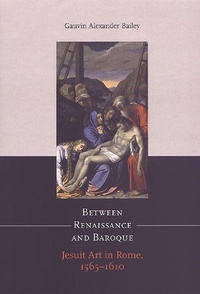
Between Renaissance and Baroque
Jesuit Art in Rome, 1565-1610
Will be published approx. on 1. May 2009
Book
Paperback/Softback
552 pages
978-1-4426-1030-9 (ISBN)
Description
Between Renaissance and Baroque is a stunning achievement - the first book to be written about the original painting commissions of the Jesuits in Rome. Offering a uniquely comprehensive and comparative analysis of the paintings and stuccoes which adorned all of the Jesuit foundations in the city during their first half century of existence, the study treats some of the most crucial monuments of late Renaissance painting including the original decorations of the church of the Gesu and the Collegio Romano, and the martyrdom frescoes at S. Stefano Rotondo.
Based on extensive new archival research from Rome, Florence, Parma, and Perugia, Gauvin Alexander Bailey's study presents an original, revisionist treatment of Italian painting in the last four decades of the sixteenth century, a critical transitional period between Renaissance and Baroque. Bailey relates the Jesuit painting cycles to the great religious and intellectual climate of the period, isolates the new stylistic trends which appeared after the Council of Trent, and looks at the different ways in which artists met the challenges for devotional art made by the religious climate of the post-Tridentine period.
Bailey also succeeds in providing the first ever written reconstructions of the Jesuit churches of S. Tommaso di Canterbury, S. Saba, and S. Apollinare, and the original novitiate complex of S. Andrea al Quirinale, the site of the most complex and original hospital decoration in late Renaissance Italy. Through these reconstructions, Bailey sheds new light on such works as Louis Richeome's meditation manual on the paintings at S. Andrea, Le peinture spirituelle, a lively and detailed treatise on late Renaissance art that has never before been the subject of a thorough study. Ultimately, Bailey provides us with a new understanding of the stylistic and iconographic strands which shortly afterward were woven together to form the Baroque.
Based on extensive new archival research from Rome, Florence, Parma, and Perugia, Gauvin Alexander Bailey's study presents an original, revisionist treatment of Italian painting in the last four decades of the sixteenth century, a critical transitional period between Renaissance and Baroque. Bailey relates the Jesuit painting cycles to the great religious and intellectual climate of the period, isolates the new stylistic trends which appeared after the Council of Trent, and looks at the different ways in which artists met the challenges for devotional art made by the religious climate of the post-Tridentine period.
Bailey also succeeds in providing the first ever written reconstructions of the Jesuit churches of S. Tommaso di Canterbury, S. Saba, and S. Apollinare, and the original novitiate complex of S. Andrea al Quirinale, the site of the most complex and original hospital decoration in late Renaissance Italy. Through these reconstructions, Bailey sheds new light on such works as Louis Richeome's meditation manual on the paintings at S. Andrea, Le peinture spirituelle, a lively and detailed treatise on late Renaissance art that has never before been the subject of a thorough study. Ultimately, Bailey provides us with a new understanding of the stylistic and iconographic strands which shortly afterward were woven together to form the Baroque.
More details
Language
English
Place of publication
Toronto
Canada
Target group
College/higher education
Professional and scholarly
Product notice
Paperback (trade)
Dimensions
Height: 249 mm
Width: 174 mm
Thickness: 34 mm
Weight
1068 gr
ISBN-13
978-1-4426-1030-9 (9781442610309)
Copyright in bibliographic data and cover images is held by Nielsen Book Services Limited or by the publishers or by their respective licensors: all rights reserved.
Schweitzer Classification
Person
Gauvin Alexander Bailey is an associate Professor in the Department of Visual and Performing Arts at Clark University.
Content
Acknowledgments
Introduction: A Time without Art?
The Jesuits and the Visual Art, and Art and 'Counter-Reformation'
The Debate over 'Mannerism,' and Art in Rome before the Jesuits
The Directors of the Jesuit Painting Programs
The Novitiate of S. Andrea al Quirinale
The Foundation and Construction of the Novitiate
The Chronology and Authorship of the Novitiate Decorations
Louis Richeome's Guide to the Novitiate Paintings
The Novitiate Chapel of S. Andrea al Quirinale
The Refectory
The Lavatory and Galleries
The Recreation Room
The Dormitory
The Novitiate Infirmary
Rooms One to Five
Rooms Six to Ten
Rooms Eleven to Thirteen, and the Infirmary Refectory
The Novitiate Infirmary Cycle in Context: Hospital Decoration in Renaissance Italy
The Jesuit Collegiate Foundations of the Collegio Romano, the Seminario Romano, and the German-Hungarian College
Jesuit Teaching and a Brief History of the Roman Collegiate Institutions
The Paintings of the Collegio Romano and the Church of SS. Annunziata
The Paintings of the Seminario Romano
The Paintings of the German-Hungarian College and the Palaeochristian Revival Movement
The Church of S. Seba
The Church of S. Apollinare
The Church of S. Stefano Rotondo: Paintings by Niccolo Circignani and Matteo a Siena
The Subjects of Circignani's Paintings at S. Stefano
The Church of S. Stefano Rotondo: Paintings by Antonio Tempesta
The Church of S. Stefano Rotondo: The Balustrade
The Collegiate Church of S. Tommaso di Canterbury and the Novitiate Church of S. Vitale
The Venerable English College and S. Tommaso di Canterbury
The Novitiate Church of S. Vitale
The Church of the Gesu in Rome: Documents
Overview of the Scholarship of the Gesu
The Foundation and Construction of the Gesu
The General Scheme of the Gesu Paintings
The Artists of the Gesu Decorations
The Nave Chapels: Left Side
The Nave Chapels: Right Side
The Apse and Crossing Area
The West Wall, Sacristy, Confraternity Chapels, and Miscellaneous Minor Commissions
The Church of the Gesu in Rome: Description and Interpretation
The Nave Chapels: Left Side
The Nave Chapels: Right Side
The Apse and Crossing Area
The Sacristy and the Tomb of Ignatius
The Legacy of the First Gesu Decorations
Conclusion: A New Sacred Art for a New Era
Notes
Bibliography
Index
Introduction: A Time without Art?
The Jesuits and the Visual Art, and Art and 'Counter-Reformation'
The Debate over 'Mannerism,' and Art in Rome before the Jesuits
The Directors of the Jesuit Painting Programs
The Novitiate of S. Andrea al Quirinale
The Foundation and Construction of the Novitiate
The Chronology and Authorship of the Novitiate Decorations
Louis Richeome's Guide to the Novitiate Paintings
The Novitiate Chapel of S. Andrea al Quirinale
The Refectory
The Lavatory and Galleries
The Recreation Room
The Dormitory
The Novitiate Infirmary
Rooms One to Five
Rooms Six to Ten
Rooms Eleven to Thirteen, and the Infirmary Refectory
The Novitiate Infirmary Cycle in Context: Hospital Decoration in Renaissance Italy
The Jesuit Collegiate Foundations of the Collegio Romano, the Seminario Romano, and the German-Hungarian College
Jesuit Teaching and a Brief History of the Roman Collegiate Institutions
The Paintings of the Collegio Romano and the Church of SS. Annunziata
The Paintings of the Seminario Romano
The Paintings of the German-Hungarian College and the Palaeochristian Revival Movement
The Church of S. Seba
The Church of S. Apollinare
The Church of S. Stefano Rotondo: Paintings by Niccolo Circignani and Matteo a Siena
The Subjects of Circignani's Paintings at S. Stefano
The Church of S. Stefano Rotondo: Paintings by Antonio Tempesta
The Church of S. Stefano Rotondo: The Balustrade
The Collegiate Church of S. Tommaso di Canterbury and the Novitiate Church of S. Vitale
The Venerable English College and S. Tommaso di Canterbury
The Novitiate Church of S. Vitale
The Church of the Gesu in Rome: Documents
Overview of the Scholarship of the Gesu
The Foundation and Construction of the Gesu
The General Scheme of the Gesu Paintings
The Artists of the Gesu Decorations
The Nave Chapels: Left Side
The Nave Chapels: Right Side
The Apse and Crossing Area
The West Wall, Sacristy, Confraternity Chapels, and Miscellaneous Minor Commissions
The Church of the Gesu in Rome: Description and Interpretation
The Nave Chapels: Left Side
The Nave Chapels: Right Side
The Apse and Crossing Area
The Sacristy and the Tomb of Ignatius
The Legacy of the First Gesu Decorations
Conclusion: A New Sacred Art for a New Era
Notes
Bibliography
Index