

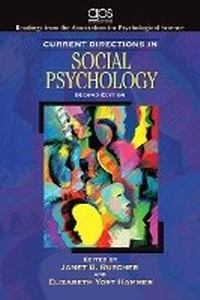
Current Directions in Social Psychology
2nd Edition
Published on 10. July 2008
Book
Paperback/Softback
224 pages
978-0-13-606280-6 (ISBN)
Description
This 2nd edition of Current Directions in Social Psychology presents readings that focus strongly on situational forces. The essays are authored by American Psychological Society recognized and respected researchers and educators. This brief reader represents a full range of topics within social psychological science.
More details
Edition
2nd edition
Language
English
Place of publication
United States
Publishing group
Pearson Education (US)
Target group
Professional and scholarly
Dimensions
Height: 155 mm
Width: 244 mm
Thickness: 14 mm
Weight
304 gr
ISBN-13
978-0-13-606280-6 (9780136062806)
Copyright in bibliographic data is held by Nielsen Book Services Limited or its licensors: all rights reserved.
Schweitzer Classification
Other editions
Previous edition
Association for Psychological Science (APS) | Janet Ruscher | Elizabeth Yost Hammer
Current Directions in Social Psychology
Book
09/2007
Pearson
€38.56
Article exhausted; check for reprint
Content
The Social Self: Evaluation, Perception, and Regulation
Pelham, B. W., Carvallo, M., & Jones, J. T. (2004). Implicit egotism. Current Directions in Psychological Science,, 13,131-134.
Crocker, J., & Knight, K. M. (2005). Contingencies of self-worth. Current Directions in Psychological Science, 14, 200-203.
Gilovich, T. & Savitsky, K. (1999). The spotlight effect and the illusion of transparency: Egocentric assessments of how we are seen by others. Current Directions in Psychological Science, 8, 165-168.
Richards, J. M. (2004). The cognitive consequences of concealing feelings. Current Directions in Psychological Science, 14, 131-134.
Influences on Social Knowledge: Biases, Unconscious Processes, and Culture
Sanna, L. J., & Schwarz, N. (2006). Metacognitive experiences and human judgment: The case of hindsight bias and its debiasing. Current Directions in Psychological Science, 15, 172-176.
Wilson, T. D., & Gilbert, D. T. (2005). Affective forecasting: Knowing what to want. Current Directions in Psychological Science, 14 , 131-134
Norenzayan, A. & Nisbett, R. E. (2000). Culture and cognition. Current Directions in Psychological Science, 9,132-135
Bargh, J. A., & Williams, E. L. (2006). The automaticity of social life. Current Directions in Psychological Science, 15, 1-4.
Close Relationships: Attraction, Attachment, and Love
Mikulincer, M., & Shaver, P. R. (2006). Attachment security, compassion, and altruism. Current Directions in Psychological Science, 14, 34-38
Diamond, L. M. (2004). Emerging perspectives on distinction between romantic love and sexual desire, Current Directions in Psychological Science, 13, 116-119
Furman, W. (2002). The emerging field of adolescent romantic relationships, Current Directions in Psychological Science, 11, 177-180
Reis, H. T., & Collins, W. A. (2004) Relationships, human behavior, and psychological science. Current Directions in Psychological Science, 13, 233-237
The Interpersonal Extremes: Prosocial Behavior and Aggression
Batson, C. D., & Thompson, E. R. (2001). Why don't moral people act morally? Motivational considerations. Current Directions in Psychological Science, 10, 54-57.
Kruglanski, A. W., & Fishman, S. (2006). Terrorism between "syndrome" and "tool". Current Directions in Psychological Science, 15, 45-48
LeBlanc, M. M., & Barling, J. (2004). Workplace aggression. Current Directions in Psychological Science, 13, 9-12
Decety, J., & Jackson, P. L. (2006). A social-neuroscience perspective on empathy. Current Directions in Psychological Science, 15, 54-58
Stereotyping and Prejudice
Bigler, R. S., & Liben, L. S. (in press). Developmental intergroup theory. Current Directions in Psychological Science, 16
Jost, J. T., & Hunyady, O. (2005). Antecedents and consequences of system-justifying ideologies. Current Directions in Psychological Science, 14, 260-265
DePaulo, B. M., & Morris, W. L. (2006). The unrecognized stereotyping and discrimination against singles. Current Directions in Psychological Science, 15, 251-254
Herek, G. M. (2000). The psychology sexual prejudice. Current Directions in Psychological Science, 9, 19-22
Payne, B. K. (2006). Weapon bias: Split-second decisions and unintended stereotyping. Current Directions in Psychological Science, 15, 287-291
Stress, Coping, Health and Well-Being
Almeida, D. M. (2005). Resilience and vulnerability to daily stressors assessed via diary methods. Current Directions in Psychological Science, 14, 64-68
Taylor, S. E. (2006). Tend and befriend: Biobehavioral bases of affiliation under stress. Current Directions in Psychological Science, 15, 273-277
Cohen, S., & Pressman, S. D. (2006). Positive affect and health. Current Directions in Psychological Science, 15, 122-125.
Bonanno, G. A. (2005). Resilience in the face of potential trauma. Current Directions in Psychological Science, 14, 135-138.
Pelham, B. W., Carvallo, M., & Jones, J. T. (2004). Implicit egotism. Current Directions in Psychological Science,, 13,131-134.
Crocker, J., & Knight, K. M. (2005). Contingencies of self-worth. Current Directions in Psychological Science, 14, 200-203.
Gilovich, T. & Savitsky, K. (1999). The spotlight effect and the illusion of transparency: Egocentric assessments of how we are seen by others. Current Directions in Psychological Science, 8, 165-168.
Richards, J. M. (2004). The cognitive consequences of concealing feelings. Current Directions in Psychological Science, 14, 131-134.
Influences on Social Knowledge: Biases, Unconscious Processes, and Culture
Sanna, L. J., & Schwarz, N. (2006). Metacognitive experiences and human judgment: The case of hindsight bias and its debiasing. Current Directions in Psychological Science, 15, 172-176.
Wilson, T. D., & Gilbert, D. T. (2005). Affective forecasting: Knowing what to want. Current Directions in Psychological Science, 14 , 131-134
Norenzayan, A. & Nisbett, R. E. (2000). Culture and cognition. Current Directions in Psychological Science, 9,132-135
Bargh, J. A., & Williams, E. L. (2006). The automaticity of social life. Current Directions in Psychological Science, 15, 1-4.
Close Relationships: Attraction, Attachment, and Love
Mikulincer, M., & Shaver, P. R. (2006). Attachment security, compassion, and altruism. Current Directions in Psychological Science, 14, 34-38
Diamond, L. M. (2004). Emerging perspectives on distinction between romantic love and sexual desire, Current Directions in Psychological Science, 13, 116-119
Furman, W. (2002). The emerging field of adolescent romantic relationships, Current Directions in Psychological Science, 11, 177-180
Reis, H. T., & Collins, W. A. (2004) Relationships, human behavior, and psychological science. Current Directions in Psychological Science, 13, 233-237
The Interpersonal Extremes: Prosocial Behavior and Aggression
Batson, C. D., & Thompson, E. R. (2001). Why don't moral people act morally? Motivational considerations. Current Directions in Psychological Science, 10, 54-57.
Kruglanski, A. W., & Fishman, S. (2006). Terrorism between "syndrome" and "tool". Current Directions in Psychological Science, 15, 45-48
LeBlanc, M. M., & Barling, J. (2004). Workplace aggression. Current Directions in Psychological Science, 13, 9-12
Decety, J., & Jackson, P. L. (2006). A social-neuroscience perspective on empathy. Current Directions in Psychological Science, 15, 54-58
Stereotyping and Prejudice
Bigler, R. S., & Liben, L. S. (in press). Developmental intergroup theory. Current Directions in Psychological Science, 16
Jost, J. T., & Hunyady, O. (2005). Antecedents and consequences of system-justifying ideologies. Current Directions in Psychological Science, 14, 260-265
DePaulo, B. M., & Morris, W. L. (2006). The unrecognized stereotyping and discrimination against singles. Current Directions in Psychological Science, 15, 251-254
Herek, G. M. (2000). The psychology sexual prejudice. Current Directions in Psychological Science, 9, 19-22
Payne, B. K. (2006). Weapon bias: Split-second decisions and unintended stereotyping. Current Directions in Psychological Science, 15, 287-291
Stress, Coping, Health and Well-Being
Almeida, D. M. (2005). Resilience and vulnerability to daily stressors assessed via diary methods. Current Directions in Psychological Science, 14, 64-68
Taylor, S. E. (2006). Tend and befriend: Biobehavioral bases of affiliation under stress. Current Directions in Psychological Science, 15, 273-277
Cohen, S., & Pressman, S. D. (2006). Positive affect and health. Current Directions in Psychological Science, 15, 122-125.
Bonanno, G. A. (2005). Resilience in the face of potential trauma. Current Directions in Psychological Science, 14, 135-138.