

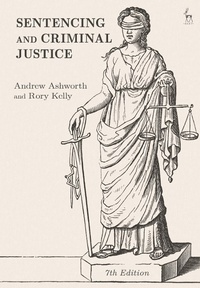
Sentencing and Criminal Justice
7th Edition
Published on 12. August 2021
Book
Paperback/Softback
536 pages
978-1-5099-3628-1 (ISBN)
Description
This revised and updated new edition focuses on major developments in sentencing law, practice and theory. Sentencing in England and Wales is now dominated by Sentencing Council guidelines, and scrutiny of those guidelines is central to this book. Issues of principle are identified and discussed, to include the constitutional position of the Sentencing Council; the meaning of, and challenges to, proportionality; and the sentencing of BAME offenders and women offenders.
The book welcomes the new Sentencing Code, introduced as the Sentencing Act 2020, and critically examines the government's plans for sentencing reform, set out in the 2020 White Paper A Smarter Approach to Sentencing. Throughout the book, sentencing is explored in its wider criminal justice context - making it essential reading for courses on sentencing, criminal justice and criminal law.
The book welcomes the new Sentencing Code, introduced as the Sentencing Act 2020, and critically examines the government's plans for sentencing reform, set out in the 2020 White Paper A Smarter Approach to Sentencing. Throughout the book, sentencing is explored in its wider criminal justice context - making it essential reading for courses on sentencing, criminal justice and criminal law.
Reviews / Votes
This book is the best introduction to the English sentencing system for undergraduate and postgraduate students, but it also provides a scholarly analysis of the issues which is of great use to academic researchers (and, indeed, to practitioners and the courts). In particular, the analysis of guidelines, case law and recent academic writing on sentencing theory, law and practice is second to none. The book is clearly written, and extensive references are provided throughout. The authoritative nature of this book, and its value for practitioners in common law jurisdictions outside of England and Wales, is demonstrated by the fact that previous editions of the book have been cited with approval on several occasions by the High Court of Justiciary on Appeal in Scotland. The seventh edition continues this exceptional level of scholarship. -- Dr Graeme Brown * Durham University * Absolutely superb. The additions made including the updates for the Sentencing Code ensure this is the leading text on the market. The commentary and wide range of sources provide a level of analysis that is not matched elsewhere. -- Dr Lyndon Harris * King's College London * An accessible and thought-provoking text which provides expert commentary on a fast-paced area of the law. -- Gary Betts * Coventry University * This is a comprehensive and detailed book that is well structured and student-friendly. -- David Palmer * University of Northampton * Sentencing and Criminal Justice is my go-to text for teaching students about sentencing law and practice...The focus of this book on principles and the wider social and political context of sentencing law and practice makes it an excellent source of both commentary and recommendations for further reading and research. The updated text and commentary is excellent, and I will be recommending the new edition to my students. -- Ailbhe O'Loughlin * University of York * This is an excellent resource, particularly on sentencing law...Students will find the detail and well written critical analysis very assistive to their understandings of complex criminal justice and the theory and applications of sentencing law. -- Max Lowenstein * Bournemouth University *More details
Edition
7th edition
Language
English
Place of publication
Oxford
United Kingdom
Publishing group
Bloomsbury Publishing PLC
Target group
College/higher education
Dimensions
Height: 170 mm
Width: 243 mm
Thickness: 34 mm
Weight
930 gr
ISBN-13
978-1-5099-3628-1 (9781509936281)
Copyright in bibliographic data and cover images is held by Nielsen Book Services Limited or by the publishers or by their respective licensors: all rights reserved.
Schweitzer Classification
Other editions
Additional editions
Andrew Ashworth | Rory Kelly
Sentencing and Criminal Justice
E-Book
07/2021
1st Edition
Hart Publishing
€46.49
Available for download
Andrew Ashworth | Rory Kelly
Sentencing and Criminal Justice
E-Book
07/2021
1st Edition
Hart Publishing
€46.49
Available for download
Persons
Andrew Ashworth is Emeritus Professor of Law at the University of Oxford, United Kingdom.
Rory Kelly is Lecturer in Criminal Evidence and Criminal Law at UCL Faculty of Laws, United Kingdom.
Rory Kelly is Lecturer in Criminal Evidence and Criminal Law at UCL Faculty of Laws, United Kingdom.
Content
1. An Introduction to English Sentencing
1.1. Courts and Crimes
1.2. The Available Sentences
1.3. The General Statistical Background
1.4. What is Sentencing?
1.5. The Principal Sources of Sentencing Law
1.6. Conclusions
2. Sentencing, the Sentencing Council and the Constitution
2.1. The Separation of Powers in Sentencing
2.2. The Constitutional Position of the Sentencing Council
2.3. The Judiciary, the Executive and Sentencing Policy
2.4. The Judicial College
2.5. The Position of the Magistracy
2.6. European Union Law
2.7. The European Convention on Human Rights
2.8. Conclusions
3. Sentencing Aims, Principles and Policies
3.1. The Aims of the Criminal Justice System
3.2. The Role of the State
3.3. The Rationales of Sentencing
3.4. Some Principles and Policies
3.5. Sentencing Rationales in Practice: Deterrence
3.6. The Role of Public Opinion
3.7. Conclusions
4. Proportionality and Seriousness
4.1. The Proportionality Principle
4.2. Opinions about Offence-seriousness
4.3. Developing Parameters of Ordinal Proportionality
4.4. Offence-seriousness in Practice
4.5. Individual Culpability
4.6. Proportionality and Offence-seriousness
5. Aggravation and Mitigation
5.1. Some Preliminary Problems of Principle
5.2. Aggravation as Increased Seriousness
5.3. Mitigation as Diminished Seriousness
5.4. Personal Mitigation
5.5. Assisting the Criminal Justice System
5.6. Mitigation and Aggravation in Practice
5.7. Conclusions
6. Equality Before the Law
6.1. The Principle and its Challengers
6.2. Race
6.3. Gender
6.4. Employment Status
6.5. Financial Circumstances
6.6. Social Status
6.7. Equality, Parsimony and Risk
7. Custodial Sentencing
7.1. The State of the Prisons
7.2. The Use of Imprisonment
7.3. Principles for the Use of Custodial Sentences
7.4. On the Cusp of Custody
7.5. Medium-to-Long Custodial Sentences: Release on Licence
7.6. Long Custodial Sentences
7.7. Conclusions
8. Non-custodial Sentencing
8.1. A Brief History
8.2. The Absolute Discharge
8.3. Conditional Discharges and Bind-overs
8.4. Compensation Orders
8.5. Fines
8.6. The Community Sentence
8.7. Deferment of Sentence
8.8. Conclusions
9. Persistence, Prevention and Dangerousness
9.1. Historical Introduction
9.2. Four Approaches to Punishing Persistence
9.3. Previous Convictions and the Current Law
9.4. The Problem of 'Professional' Criminals
9.5. Persistent Petty Offenders
9.6. Behaviour Orders
9.7. Minimum Sentences
9.8. Sentencing 'Dangerous Offenders'
9.9. Conclusion
10. Multiple Offenders and Totality
10.1. Charging the Multiple Offender
10.2. The Problems of Sentencing Multiple Offenders
10.3. Guidelines on Sentencing Multiple Offenders
10.4. Totality: Time for a Fresh Start?
11. Behaviour Orders and Ancillary Orders
11.1. Outlining the Current Law
11.2. Prevention, Punishment and the ASBO
11.3. Behaviour Orders on Conviction
11.4. Behaviour Orders on Application
11.5. Ancillary Orders
11.6. Revisiting the Nature of the Orders
11.7. Sentencing for Breach of a Behaviour Order
12. Special Sentencing Powers
12.1. Young Offenders
12.2. Young Adult Offenders
12.3. Mentally Disordered Offenders
13. Procedural Issues at Sentencing
13.1. The Factual Basis for Sentencing
13.2. The Defendant's Record
13.3. The Role of the Prosecution
13.4. Pre-sentence Reports
13.5. Defence Speech in Mitigation
13.6. The Obligation to Give Reasons for Sentence
13.7. The Role of the Victim
14. Sentencing, Guidelines and the Punitive State
14.1. The Responsibility of Sentencing
14.2. Rule-of-law Values, Discretion and Guidelines
14.3. Guidelines and Penal Moderation
14.4. Risk, Prevention and Public Protection
14.5. Stepping Back from the Punitive State
1.1. Courts and Crimes
1.2. The Available Sentences
1.3. The General Statistical Background
1.4. What is Sentencing?
1.5. The Principal Sources of Sentencing Law
1.6. Conclusions
2. Sentencing, the Sentencing Council and the Constitution
2.1. The Separation of Powers in Sentencing
2.2. The Constitutional Position of the Sentencing Council
2.3. The Judiciary, the Executive and Sentencing Policy
2.4. The Judicial College
2.5. The Position of the Magistracy
2.6. European Union Law
2.7. The European Convention on Human Rights
2.8. Conclusions
3. Sentencing Aims, Principles and Policies
3.1. The Aims of the Criminal Justice System
3.2. The Role of the State
3.3. The Rationales of Sentencing
3.4. Some Principles and Policies
3.5. Sentencing Rationales in Practice: Deterrence
3.6. The Role of Public Opinion
3.7. Conclusions
4. Proportionality and Seriousness
4.1. The Proportionality Principle
4.2. Opinions about Offence-seriousness
4.3. Developing Parameters of Ordinal Proportionality
4.4. Offence-seriousness in Practice
4.5. Individual Culpability
4.6. Proportionality and Offence-seriousness
5. Aggravation and Mitigation
5.1. Some Preliminary Problems of Principle
5.2. Aggravation as Increased Seriousness
5.3. Mitigation as Diminished Seriousness
5.4. Personal Mitigation
5.5. Assisting the Criminal Justice System
5.6. Mitigation and Aggravation in Practice
5.7. Conclusions
6. Equality Before the Law
6.1. The Principle and its Challengers
6.2. Race
6.3. Gender
6.4. Employment Status
6.5. Financial Circumstances
6.6. Social Status
6.7. Equality, Parsimony and Risk
7. Custodial Sentencing
7.1. The State of the Prisons
7.2. The Use of Imprisonment
7.3. Principles for the Use of Custodial Sentences
7.4. On the Cusp of Custody
7.5. Medium-to-Long Custodial Sentences: Release on Licence
7.6. Long Custodial Sentences
7.7. Conclusions
8. Non-custodial Sentencing
8.1. A Brief History
8.2. The Absolute Discharge
8.3. Conditional Discharges and Bind-overs
8.4. Compensation Orders
8.5. Fines
8.6. The Community Sentence
8.7. Deferment of Sentence
8.8. Conclusions
9. Persistence, Prevention and Dangerousness
9.1. Historical Introduction
9.2. Four Approaches to Punishing Persistence
9.3. Previous Convictions and the Current Law
9.4. The Problem of 'Professional' Criminals
9.5. Persistent Petty Offenders
9.6. Behaviour Orders
9.7. Minimum Sentences
9.8. Sentencing 'Dangerous Offenders'
9.9. Conclusion
10. Multiple Offenders and Totality
10.1. Charging the Multiple Offender
10.2. The Problems of Sentencing Multiple Offenders
10.3. Guidelines on Sentencing Multiple Offenders
10.4. Totality: Time for a Fresh Start?
11. Behaviour Orders and Ancillary Orders
11.1. Outlining the Current Law
11.2. Prevention, Punishment and the ASBO
11.3. Behaviour Orders on Conviction
11.4. Behaviour Orders on Application
11.5. Ancillary Orders
11.6. Revisiting the Nature of the Orders
11.7. Sentencing for Breach of a Behaviour Order
12. Special Sentencing Powers
12.1. Young Offenders
12.2. Young Adult Offenders
12.3. Mentally Disordered Offenders
13. Procedural Issues at Sentencing
13.1. The Factual Basis for Sentencing
13.2. The Defendant's Record
13.3. The Role of the Prosecution
13.4. Pre-sentence Reports
13.5. Defence Speech in Mitigation
13.6. The Obligation to Give Reasons for Sentence
13.7. The Role of the Victim
14. Sentencing, Guidelines and the Punitive State
14.1. The Responsibility of Sentencing
14.2. Rule-of-law Values, Discretion and Guidelines
14.3. Guidelines and Penal Moderation
14.4. Risk, Prevention and Public Protection
14.5. Stepping Back from the Punitive State