

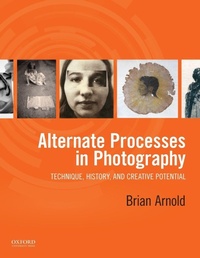
Alternate Processes in Photography
Technique, History, and Creative Potential
Published on 13. April 2017
Book
Paperback/Softback
224 pages
978-0-19-939039-7 (ISBN)
Description
Alternate Process in Photography: Technique, History, and Creative Potential offers a unique, practitioner's perspective on the history and practice of photographic processes. The book emphasizes handmade, largely historical photographic techniques, and provides detailed information for both beginning and advanced photographers.
Reviews / Votes
Where other alternative process books read like an intimidating technical manual and others are not technical enough, Arnold's text is clear, thorough, and to the point. It is worthwhile and written by a person that has actually done the techniques." * Heather Oelklaus, Colorado College *More details
Language
English
Place of publication
New York
United States
Illustrations
149
Dimensions
Height: 280 mm
Width: 216 mm
Thickness: 12 mm
Weight
576 gr
ISBN-13
978-0-19-939039-7 (9780199390397)
Copyright in bibliographic data and cover images is held by Nielsen Book Services Limited or by the publishers or by their respective licensors: all rights reserved.
Schweitzer Classification
Person
Brian Arnold is a visiting research fellow in the Southeast Asia Program at Cornell University. He is a photographer, musician, and writer.
Content
Contents Acknowledgments
Introduction Chapter 1 Negatives
Digital Negatives
Required Materials
Darkroom Negatives
Required Materials
The Importance of Making Good Negatives
Historical Introduction
Traditional Darkroom Options
Digital Negatives
Primary Photoshop Tools
Contrast Controls: Levels and Curves Image Mode Invert Layer Adjustments Sharpening
Image Size Negative Supports
Acetate Paper and Vellum Pictorico and Other Inkjet Films Film Making the Negative
File Types
Wrapping It Up Chapter 2 Paper
Historical Introduction
Making Paper
Paper Terminology
Tooth
Finish
Sizing
Acid-Free
Deckle
Grain
Weight
Handmade Paper
Machine-Made Paper
Moldmade Paper
Types of Paper
Writing Paper
Drawing Paper
Printmaking Paper
Watercolor Paper
Other Options
Preshrinking
Sizing
Spray Starch
Arrowroot Starch
Gesso Gum Arabic
Gelatin Other Supports
Fabrics
Canvas
Wood, Glass, Ceramics, and Metal
Wrapping It Up Chapter 3 Salted Paper (Calotype)
Required Chemicals
Optional Chemicals
Historical Introduction
Chemistry
Sensitizer
Development
Toner
Fixer
Clearing
Making the Print
Negatives
Paper
Coating
Exposure
Development
Toning
Fixing
Clearing and Washing
Troubleshooting
Fading
Weak Prints
Wrapping It Up Chapter 4 Cyanotype
Required Chemicals
Optional Chemicals
Historical Introduction
Chemistry
Sensitizer
Development
Clearing Baths
Other Chemicals
Making the Print
The Negative
Papers
Mixing the Sensitizer
Exposure
Development
Clearing/Finishing
Toning Tea and Coffee
Borax
Dektol/Print Developer Ammonia
Sodium Carbonate Tannic Acid
Troubleshooting
Staining
Weak Prints
Wrapping It Up Chapter 5 Van Dyke Brown
Required Chemicals
Optional Chemicals
Historical Introduction
Chemistry
Sensitizer
Development
Toners
Fixing
Clearing Agents
Contrast Control Making the Print
The Negative
Papers
Coating
Exposure
Development
Toning
Fixing
Clearing and Washing
Troubleshooting
Dark Prints
Light Prints
Streaking
Wrapping It Up Chapter 6 Platinum and Palladium
Required Chemicals
Optional Chemicals
Historical Introduction
Chemistry
Sensitizer
Development
Ammonium Citrate Developer
Potassium Oxalate Developer Cold Bath Developer Clearing Baths
Other Chemicals
Gold Chloride
Na2 Making the Print
The Negative
Papers
Mixing the Sensitizer
Further Contrast Control
Palladium Combined with Platinum Gold Chloride
Exposing the Print
Developing the Print
Troubleshooting
Fogging
Solarization/"Bronzing"
Wrapping It Up Chapter 7 Variations on Platinum and Palladium
Kallitype: Required Chemicals
Kallitype: Optional Chemicals
Ziatype: Required Chemicals
Ziatype: Optional Chemicals
Kallitype: Historical Introduction
Kallitype: Chemistry
Sensitizer
Development
Toning
Clearing Baths
Fixer
Contrast Control
Kallitype: Making the Print
The Negative
Papers
Coating
Exposure
Development
Clearing Baths Toning
Fixing
Final Wash
Kallitype: Troubleshooting
Yellow Highlights
Streaking
Weak or Faded Prints
Ziatype: Historical Introduction
Ziatype: Chemistry
Sensitizer
Ammonium Ferric Oxalate Lithium Palladium Chloride
Cesium Palladium Chloride
Ammonium Dichromate Gold Chloride Sodium Tungstate Tween 20 Clearing Baths Ziatype: Making the Print
The Negative
Paper
Coating
Exposure
Development/Processing
Ziatype: Troubleshooting
Weak Prints
Inconsistent Results
Wrapping It Up Chapter 8 Gum Bichromate
Required Chemicals
Optional Chemicals
Historical Introduction
Chemistry
Bichromates
Gum Arabic
Other Colloids Albumen
Glue Watercolors
Clearing: Sodium/Potassium Metabisulfite Making the Print
The Basics: Working in Black and White
Negatives
Papers
Preshrinking
More on Sizing
Mixing the Sensitizer
Coating
Exposure
Development
Registration
Clearing
Advanced Printing: Full Color
Additive versus Subtractive Color
Negatives
Exposing the Print
Troubleshooting
Staining
Development
Sizing
Paint
Gum Arabic
Base Layer
Wrapping It Up Chapter 9 Lifts and Transfers
Required Materials
Historical Introduction
Ideas, Methods, and Techniques Tape Lifts
Gesso or Gel/Matte Medium Transfers Acrylic Transfers as Transparencies
Solvent Transfers
Inkjet Transfer Prints
Method One
Method Two Wrapping It Up Chapter 10 Wet Plate Collodion
Required Chemicals
Optional Chemicals
Historical Introduction
Equipment Chemistry
Sensitizer
Developers
Fixer
Varnish
Making the Photograph
Preparing the Plates
Glass for Ambrotypes
Tin for Tintypes
Sensitizing the Plates
Exposure
Development
Fixing the Plates
Washing the Plates
Drying the Plates
Varnishing the Plates
Turning the Glass Image Positive Troubleshooting
Wrapping It Up Chapter 11 Liquid Emulsions
Required Chemicals
Optional Chemicals
Historical Introduction
Plates and Negatives
Photographic Papers and Printing
Liquid Emulsions
Making the Print
Chemistry
Emulsions
Processing Chemisty
Preparing a Surface for Coating
Metal
Glass and Ceramics
Wood
Coating the Emulsion
Exposure and Development
Fixing
Clearing
Washing
Toning/Postdevelopment Processing
Troubleshooting
Image Density
Emulsion Lacks Stability
Peeling and Cracking
Wrapping It Up Chapter 12 Combination Printing
Gum Bichromate
Platinum/Cyanotype
Cyanotype/Van Dyke Brown
Mixing with Printmaking and Transfer Techniques
Wrapping It Up Appendix: Chemical Safety Bibliography
Suggested Websites
Glossary
Index
Introduction Chapter 1 Negatives
Digital Negatives
Required Materials
Darkroom Negatives
Required Materials
The Importance of Making Good Negatives
Historical Introduction
Traditional Darkroom Options
Digital Negatives
Primary Photoshop Tools
Contrast Controls: Levels and Curves Image Mode Invert Layer Adjustments Sharpening
Image Size Negative Supports
Acetate Paper and Vellum Pictorico and Other Inkjet Films Film Making the Negative
File Types
Wrapping It Up Chapter 2 Paper
Historical Introduction
Making Paper
Paper Terminology
Tooth
Finish
Sizing
Acid-Free
Deckle
Grain
Weight
Handmade Paper
Machine-Made Paper
Moldmade Paper
Types of Paper
Writing Paper
Drawing Paper
Printmaking Paper
Watercolor Paper
Other Options
Preshrinking
Sizing
Spray Starch
Arrowroot Starch
Gesso Gum Arabic
Gelatin Other Supports
Fabrics
Canvas
Wood, Glass, Ceramics, and Metal
Wrapping It Up Chapter 3 Salted Paper (Calotype)
Required Chemicals
Optional Chemicals
Historical Introduction
Chemistry
Sensitizer
Development
Toner
Fixer
Clearing
Making the Print
Negatives
Paper
Coating
Exposure
Development
Toning
Fixing
Clearing and Washing
Troubleshooting
Fading
Weak Prints
Wrapping It Up Chapter 4 Cyanotype
Required Chemicals
Optional Chemicals
Historical Introduction
Chemistry
Sensitizer
Development
Clearing Baths
Other Chemicals
Making the Print
The Negative
Papers
Mixing the Sensitizer
Exposure
Development
Clearing/Finishing
Toning Tea and Coffee
Borax
Dektol/Print Developer Ammonia
Sodium Carbonate Tannic Acid
Troubleshooting
Staining
Weak Prints
Wrapping It Up Chapter 5 Van Dyke Brown
Required Chemicals
Optional Chemicals
Historical Introduction
Chemistry
Sensitizer
Development
Toners
Fixing
Clearing Agents
Contrast Control Making the Print
The Negative
Papers
Coating
Exposure
Development
Toning
Fixing
Clearing and Washing
Troubleshooting
Dark Prints
Light Prints
Streaking
Wrapping It Up Chapter 6 Platinum and Palladium
Required Chemicals
Optional Chemicals
Historical Introduction
Chemistry
Sensitizer
Development
Ammonium Citrate Developer
Potassium Oxalate Developer Cold Bath Developer Clearing Baths
Other Chemicals
Gold Chloride
Na2 Making the Print
The Negative
Papers
Mixing the Sensitizer
Further Contrast Control
Palladium Combined with Platinum Gold Chloride
Exposing the Print
Developing the Print
Troubleshooting
Fogging
Solarization/"Bronzing"
Wrapping It Up Chapter 7 Variations on Platinum and Palladium
Kallitype: Required Chemicals
Kallitype: Optional Chemicals
Ziatype: Required Chemicals
Ziatype: Optional Chemicals
Kallitype: Historical Introduction
Kallitype: Chemistry
Sensitizer
Development
Toning
Clearing Baths
Fixer
Contrast Control
Kallitype: Making the Print
The Negative
Papers
Coating
Exposure
Development
Clearing Baths Toning
Fixing
Final Wash
Kallitype: Troubleshooting
Yellow Highlights
Streaking
Weak or Faded Prints
Ziatype: Historical Introduction
Ziatype: Chemistry
Sensitizer
Ammonium Ferric Oxalate Lithium Palladium Chloride
Cesium Palladium Chloride
Ammonium Dichromate Gold Chloride Sodium Tungstate Tween 20 Clearing Baths Ziatype: Making the Print
The Negative
Paper
Coating
Exposure
Development/Processing
Ziatype: Troubleshooting
Weak Prints
Inconsistent Results
Wrapping It Up Chapter 8 Gum Bichromate
Required Chemicals
Optional Chemicals
Historical Introduction
Chemistry
Bichromates
Gum Arabic
Other Colloids Albumen
Glue Watercolors
Clearing: Sodium/Potassium Metabisulfite Making the Print
The Basics: Working in Black and White
Negatives
Papers
Preshrinking
More on Sizing
Mixing the Sensitizer
Coating
Exposure
Development
Registration
Clearing
Advanced Printing: Full Color
Additive versus Subtractive Color
Negatives
Exposing the Print
Troubleshooting
Staining
Development
Sizing
Paint
Gum Arabic
Base Layer
Wrapping It Up Chapter 9 Lifts and Transfers
Required Materials
Historical Introduction
Ideas, Methods, and Techniques Tape Lifts
Gesso or Gel/Matte Medium Transfers Acrylic Transfers as Transparencies
Solvent Transfers
Inkjet Transfer Prints
Method One
Method Two Wrapping It Up Chapter 10 Wet Plate Collodion
Required Chemicals
Optional Chemicals
Historical Introduction
Equipment Chemistry
Sensitizer
Developers
Fixer
Varnish
Making the Photograph
Preparing the Plates
Glass for Ambrotypes
Tin for Tintypes
Sensitizing the Plates
Exposure
Development
Fixing the Plates
Washing the Plates
Drying the Plates
Varnishing the Plates
Turning the Glass Image Positive Troubleshooting
Wrapping It Up Chapter 11 Liquid Emulsions
Required Chemicals
Optional Chemicals
Historical Introduction
Plates and Negatives
Photographic Papers and Printing
Liquid Emulsions
Making the Print
Chemistry
Emulsions
Processing Chemisty
Preparing a Surface for Coating
Metal
Glass and Ceramics
Wood
Coating the Emulsion
Exposure and Development
Fixing
Clearing
Washing
Toning/Postdevelopment Processing
Troubleshooting
Image Density
Emulsion Lacks Stability
Peeling and Cracking
Wrapping It Up Chapter 12 Combination Printing
Gum Bichromate
Platinum/Cyanotype
Cyanotype/Van Dyke Brown
Mixing with Printmaking and Transfer Techniques
Wrapping It Up Appendix: Chemical Safety Bibliography
Suggested Websites
Glossary
Index