

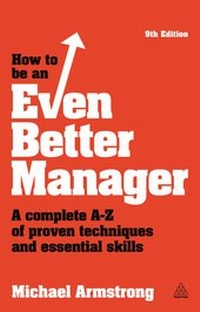
How to be an Even Better Manager
A Complete A-Z of Proven Techniques and Essential Skills
9th Edition
Published on 3. April 2014
Book
Paperback/Softback
384 pages
978-0-7494-7154-5 (ISBN)
Description
How to be an Even Better Manager has sold over 130,000 copies sold worldwide, and has been translated into 17 languages. This ninth edition of the best-selling guide covers over 60 essential topics across the three key areas in which any manager needs to be competent: managing people; managing activities and processes; and managing and developing yourself. Armstrong takes the reader through these key areas in detail, outlining their relevance to real-life situations.
Thoroughly revised and updated, with ten new chapters providing timely advice on topics such as coaching, developing emotional intelligence, innovating and effectively using financial ratios and balance sheets, this is an invaluable handbook for current and aspiring managers. How to be an Even Better Manager provides sound guidelines that will help you to develop a broad base of managerial skills and knowledge, based on the theory that to become a better manager you need to know: what management is about; the aims and purposes of management and leadership and the distinction between them; and achieve change and provide direction. With advice on troubleshooting and eradicating problems in your team, How to be an Even Better Manager is an essential resource whatever your level of experience.
Thoroughly revised and updated, with ten new chapters providing timely advice on topics such as coaching, developing emotional intelligence, innovating and effectively using financial ratios and balance sheets, this is an invaluable handbook for current and aspiring managers. How to be an Even Better Manager provides sound guidelines that will help you to develop a broad base of managerial skills and knowledge, based on the theory that to become a better manager you need to know: what management is about; the aims and purposes of management and leadership and the distinction between them; and achieve change and provide direction. With advice on troubleshooting and eradicating problems in your team, How to be an Even Better Manager is an essential resource whatever your level of experience.
Reviews / Votes
"A practical and straightforward guide to successful management, written with the benefit of over 30 years experience." * Business Executive * "Those with managerial responsibilities will find this a useful guide to keep on their shelves and dip into for background material and guidance on a range of business topics." * Business Franchise *More details
Edition
9th Revised edition
Language
English
Place of publication
London
United Kingdom
Target group
College/higher education
Professional and scholarly
Edition type
Revised edition
Product notice
Paperback (trade)
Dimensions
Height: 215 mm
Width: 140 mm
Thickness: 20 mm
Weight
433 gr
ISBN-13
978-0-7494-7154-5 (9780749471545)
Copyright in bibliographic data and cover images is held by Nielsen Book Services Limited or by the publishers or by their respective licensors: all rights reserved.
Schweitzer Classification
Other editions
New editions
Michael Armstrong
How to be an Even Better Manager
A Complete A-Z of Proven Techniques and Essential Skills
Book
02/2021
11th Edition
Kogan Page Ltd
€22.90
Shipment within 3-4 weeks
Michael Armstrong
How to be an Even Better Manager
A Complete A-Z of Proven Techniques and Essential Skills
Book
07/2017
10th Edition
Kogan Page Ltd
€38.57
Article exhausted; check for reprint
Previous edition
Michael Armstrong
How to be an Even Better Manager
A Complete A-Z of Proven Techniques and Essential Skills
Book
10/2011
8th Edition
Kogan Page Ltd
€36.08
Article exhausted; check for reprint
Person
Michael Armstrong is an independent management consultant, internationally respected writer and former Chief Examiner of the CIPD. He has written several best-selling Kogan Page titles, including Armstrong's Handbook of Human Resource Management Practice, Armstrong's Handbook of Management and Leadership and How to Manage People.
Content
Chapter - 00: Introduction;
Chapter - 01: How to be a better manager;
Section - ONE: General management;
Chapter - 02: How to achieve continuous improvement;
Chapter - 03: How to improve organizational capability;
Chapter - 04: How to manage corporate culture;
Chapter - 05: How to benchmark;
Chapter - 06: How to delight customers;
Section - TWO: Business and financial management;
Chapter - 07: How to be businesslike;
Chapter - 08: How to make a business case;
Chapter - 09: How to prepare a business plan;
Chapter - 10: How to conduct business model innovation;
Chapter - 11: How to budget;
Chapter - 12: How to cut costs;
Chapter - 13: How to read a balance sheet;
Chapter - 14: How to use financial ratios;
Section - THREE: Managing people;
Chapter - 15: How to develop people;
Chapter - 16: How to coach;
Chapter - 17: How to handle people problems;
Chapter - 18: How to be a better leader;
Chapter - 19: How to herd cats;
Chapter - 20: How to motivate people;
Chapter - 21: How to persuade;
Chapter - 22: How to empower;
Chapter - 23: How to enhance engagement;
Chapter - 24: How to run a meeting;
Chapter - 25: How to be an effective member of a meeting;
Section - FOUR: Management skills;
Chapter - 26: How to communicate;
Chapter - 27: How to control;
Chapter - 28: How to coordinate;
Chapter - 29: How to delegate;
Chapter - 30: How to make things happen;
Chapter - 31: How to manage your boss;
Chapter - 32: How to manage change;
Chapter - 33: How to manage conflict;
Chapter - 34: How to manage a crisis;
Chapter - 35: How to manage performance;
Chapter - 36: How to set objectives;
Chapter - 37: How to manage projects;
Chapter - 38: How to manage risk;
Chapter - 39: How to manage stress;
Chapter - 40: How to manage time;
Chapter - 41: How to negotiate;
Chapter - 42: How to organize;
Chapter - 43: How to plan and prioritize;
Chapter - 44: How to deal with office politics;
Section - FIVE: Personal skills;
Chapter - 45: How to assess your own performance;
Chapter - 46: How to get on;
Chapter - 47: How to develop your emotional intelligence;
Chapter - 48: How to be confident;
Chapter - 49: How to be assertive;
Chapter - 50: How to be decisive;
Chapter - 51: How to solve problems;
Chapter - 52: How to be both efficient and effective;
Chapter - 53: How to be creative;
Chapter - 54: How to innovate;
Chapter - 55: How to interview;
Chapter - 56: How to be interviewed;
Chapter - 57: How to listen;
Chapter - 58: How to make effective presentations;
Chapter - 59: How to write reports;
Chapter - 60: How to network;
Chapter - 61: How to be strategic;
Chapter - 62: How to think clearly;
Chapter - 63: How to troubleshoot;
Chapter - 64: How to recover from setbacks;
Chapter - 65: How things go wrong and how to put them right
Chapter - 01: How to be a better manager;
Section - ONE: General management;
Chapter - 02: How to achieve continuous improvement;
Chapter - 03: How to improve organizational capability;
Chapter - 04: How to manage corporate culture;
Chapter - 05: How to benchmark;
Chapter - 06: How to delight customers;
Section - TWO: Business and financial management;
Chapter - 07: How to be businesslike;
Chapter - 08: How to make a business case;
Chapter - 09: How to prepare a business plan;
Chapter - 10: How to conduct business model innovation;
Chapter - 11: How to budget;
Chapter - 12: How to cut costs;
Chapter - 13: How to read a balance sheet;
Chapter - 14: How to use financial ratios;
Section - THREE: Managing people;
Chapter - 15: How to develop people;
Chapter - 16: How to coach;
Chapter - 17: How to handle people problems;
Chapter - 18: How to be a better leader;
Chapter - 19: How to herd cats;
Chapter - 20: How to motivate people;
Chapter - 21: How to persuade;
Chapter - 22: How to empower;
Chapter - 23: How to enhance engagement;
Chapter - 24: How to run a meeting;
Chapter - 25: How to be an effective member of a meeting;
Section - FOUR: Management skills;
Chapter - 26: How to communicate;
Chapter - 27: How to control;
Chapter - 28: How to coordinate;
Chapter - 29: How to delegate;
Chapter - 30: How to make things happen;
Chapter - 31: How to manage your boss;
Chapter - 32: How to manage change;
Chapter - 33: How to manage conflict;
Chapter - 34: How to manage a crisis;
Chapter - 35: How to manage performance;
Chapter - 36: How to set objectives;
Chapter - 37: How to manage projects;
Chapter - 38: How to manage risk;
Chapter - 39: How to manage stress;
Chapter - 40: How to manage time;
Chapter - 41: How to negotiate;
Chapter - 42: How to organize;
Chapter - 43: How to plan and prioritize;
Chapter - 44: How to deal with office politics;
Section - FIVE: Personal skills;
Chapter - 45: How to assess your own performance;
Chapter - 46: How to get on;
Chapter - 47: How to develop your emotional intelligence;
Chapter - 48: How to be confident;
Chapter - 49: How to be assertive;
Chapter - 50: How to be decisive;
Chapter - 51: How to solve problems;
Chapter - 52: How to be both efficient and effective;
Chapter - 53: How to be creative;
Chapter - 54: How to innovate;
Chapter - 55: How to interview;
Chapter - 56: How to be interviewed;
Chapter - 57: How to listen;
Chapter - 58: How to make effective presentations;
Chapter - 59: How to write reports;
Chapter - 60: How to network;
Chapter - 61: How to be strategic;
Chapter - 62: How to think clearly;
Chapter - 63: How to troubleshoot;
Chapter - 64: How to recover from setbacks;
Chapter - 65: How things go wrong and how to put them right