


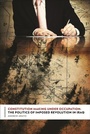
Constitution Making Under Occupation
The Politics of Imposed Revolution in Iraq
Will be published approx. on 13. March 2009
Book
Hardback
376 pages
978-0-231-14302-8 (ISBN)
Description
The attempt in 2004 to draft an interim constitution in Iraq and the effort to enact a permanent one in 2005 were unintended outcomes of the American occupation, which first sought to impose a constitution by its agents. This two-stage constitution-making paradigm, implemented in a wholly unplanned move by the Iraqis and their American sponsors, formed a kind of compromise between the populist-democratic project of Shi'ite clerics and America's external interference. As long as it was used in a coherent and legitimate way, the method held promise. Unfortunately, the logic of external imposition and political exclusion compromised the negotiations. Andrew Arato is the first person to record this historic process and analyze its special problems. He compares the drafting of the Iraqi constitution to similar, externally imposed constitutional revolutions by the United States, especially in Japan and Germany, and identifies the political missteps that contributed to problems of learning and legitimacy.
Instead of claiming that the right model of constitution making would have maintained stability in Iraq, Arato focuses on the fragile opportunity for democratization that was strengthened only slightly by the methods used to draft a constitution. Arato contends that this event would have benefited greatly from an overall framework of internationalization, and he argues that a better set of guidelines (rather than the obsolete Hague and Geneva regulations) should be followed in the future. With access to an extensive body of literature, Arato highlights the difficulty of exporting democracy to a country that opposes all such foreign designs and fundamentally disagrees on matters of political identity.
Instead of claiming that the right model of constitution making would have maintained stability in Iraq, Arato focuses on the fragile opportunity for democratization that was strengthened only slightly by the methods used to draft a constitution. Arato contends that this event would have benefited greatly from an overall framework of internationalization, and he argues that a better set of guidelines (rather than the obsolete Hague and Geneva regulations) should be followed in the future. With access to an extensive body of literature, Arato highlights the difficulty of exporting democracy to a country that opposes all such foreign designs and fundamentally disagrees on matters of political identity.
Reviews / Votes
A comprehensive treatment of comparative constitutionalism...recommended. ChoiceMore details
Series
Language
English
Place of publication
New York
United States
Target group
Professional and scholarly
Product notice
Trade binding
Dimensions
Height: 229 mm
Width: 152 mm
Weight
652 gr
ISBN-13
978-0-231-14302-8 (9780231143028)
Copyright in bibliographic data and cover images is held by Nielsen Book Services Limited or by the publishers or by their respective licensors: all rights reserved.
Schweitzer Classification
Other editions
Additional editions
E-Book
09/2015
1st Edition
De Gruyter
from
€69.95
Available for download
Person
Andrew Arato is Dorothy Hart Hirshon Professor of Political and Social Theory at the New School for Social Research and founding editor of the journal Constellations. He has advised constitution makers in Nepal and the Hungarian parliament, and his books include Civil Society and Political Theory; Civil Society, Constitution, and Legitimacy; From Neo-Marxism to Democratic Theory; The Young Lukacs and the Origins of Western Marxism; and Habermas on Law, Democracy, and Legitimacy.
Content
Preface 1. The Externally Imposed Revolution and Its Destruction of the Iraqi State 2. Postsovereign Constitution Making: The New Paradigm (and Iraq) 3. Sistani Versus Bremer: The Emergence of the Two-Stage Model in Iraq 4. Imposition and Bargaining in the Making of the Interim Constitution 5. The Making of the "Permanent" Constitution Conclusion Notes Index
Read the >conclusion from Constitution Making Under Occupation. (pdf)