

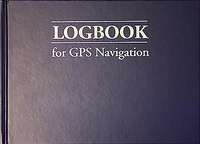
Logbook for GPS Navigation
Compact, for Small Chart Tables
2nd Edition
Published on 25. November 2014
Book
Hardback
96 pages
978-1-909911-18-5 (ISBN)
Description
Most yachts and motor boats now use GPS as their primary source of positional information when navigating. The page layout of this logbook has been designed for clear entry of GPS positions and waypoints. The left-hand spread is for passage planning and the right-hand spread is for plotting positions on passage. There is also space to include narrative and separate pages for pilotage, harbour, anchorage and other notes, plus a section to use as a visitors' book and / or to record crew changes. The size of the book makes it ideal for use on small chart tables, without completely covering the chart that also needs to be referred to. This second edition reintroduces the silver blocking on the front cover, giving the Logbook a stylish feel and making it the ideal place in which to record those precious journeys undertaken in your yacht.
Reviews / Votes
"This hardcover logbook was specially devised by Anderson with GPS navigation in mind; hence its compact size and suitability for small chart tables." (Sailing Magazine)More details
Series
Edition
2nd edition
Language
English
Place of publication
Leamington Spa
United Kingdom
Product notice
Hardback (stationery)
Dimensions
Height: 178 mm
Width: 248 mm
Thickness: 10 mm
Weight
336 gr
ISBN-13
978-1-909911-18-5 (9781909911185)
Copyright in bibliographic data and cover images is held by Nielsen Book Services Limited or by the publishers or by their respective licensors: all rights reserved.
Schweitzer Classification
Other editions
Previous edition

Bill Anderson
Logbook for GPS Navigation
Book
07/2002
Fernhurst Books
€32.31
Article exhausted; check for reprint
Person
Bill Anderson started sailing off the North Antrim coast in an open fishing boat. He spent 13 years as a seaman officer in the Royal Navy, serving as Navigating Officer of a minesweeper, a frigate and a destroyer. On leaving the Navy he joined the training division of the Royal Yachting Association, where, as Training Manager, he redesigned the RYA Yachtmaster training and examinations programme.
Content
Compiling the log; Log pages; Pilotage, harbour, anchorage & other notes; Visitors' book