

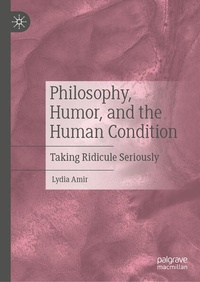
Philosophy, Humor, and the Human Condition
Description
This book presents an original worldview,
Homo risibilis,
wherein self-referential humor is proposed as the path leading from a tragic view of life to a liberating embrace of human ridicule. Humor is presented as a conceptual tool for holding together contradictions and managing the unresolvable conflict of the human condition till
Homo risibilis
resolves the inherent tension without epistemological cost. This original approach to the human condition allows us to effectively address life's ambiguities without losing sight of its tragic overtones and brings along far-ranging personal and social benefits.
Amir's view of the human condition transcends the field of philosophy of humor. An original worldview that fits the requirements of traditional philosophy, Homo risibilis is especially apt to answer contemporary concerns. It embodies the minimal consensus we need in order to live together and the active role philosophy should responsibly play in a global world. Here developed for the first time in a complete way, the Homo risibilis worldview is not only liberating in nature, but also illuminates the shortcomings of other philosophies in their attempts to secure harmony in a disharmonious world for a disharmonious human being.
Reviews / Votes
"There is plenty of material here for philosophers given its provocative claims but also in its mine of quotes and diligent footnoting. At the same time, the argument is not weighed down by jargon and there should be value for some readers outside philosophy. ... the book conveys an intellectual energy that could stimulate a rewarding exploration of ideas." (Mark Weeks, European Journal of Humour Research, Vol. 9 (4), 2021)More details
Other editions
Additional editions
Person
Lydia Amir is Visiting Professor at the Department of Philosophy, Tufts University, USA.