


The Arab Uprisings
Catalysts, Dynamics, and Trajectories
Published on 29. October 2014
Book
Paperback/Softback
322 pages
978-1-4422-3901-2 (ISBN)
Description
The uprisings of 2011 have radically altered the political, economic, and social landscapes of the Middle East and North Africa. A clearer view of the recent past now provides greater perspectives on the causes and the consequences of these events. This collection of essays challenges the common tendency of applying the dominant frame of "Arab Spring" to explain contemporary politics of the Middle East. Numerous debates about the utility of the "Arab Spring" metaphor already exist, contesting such issues as its foreign origins or its temporal and optimistic implications. It further has the negative and significant side effect of implying a singularity to these events in a manner that often defies the varied conditions on the ground. This is why the term "Arab Uprisings" is used here as the organizing frame to address numerous socio-cultural, economic, political, experiential, and communicative aspects of the uprisings.
This text is organized around three themes: origins, experiences, and trajectories. The first section addresses catalyzing factors that help explain the emergence of the uprisings from various political, economic, and socio-cultural perspectives. The second section examines the functions and responses of diverse people, institutions, and ideologies during the initial years of the uprisings. It includes an in-depth case study on women's changing political situation in the catalyzing country of Tunisia, as well as discussions about the roles of political Islam, new mass media, and social networks in these rapidly changing contexts. The third section discusses cross-national implications and the multitude of repercussion the uprisings are having on the global system.
Using an interdisciplinary approach with contrasting theoretical and methodological orientations, the global experts who contributed the chapters explore various theoretical approaches, juxtaposing them with comparative surveys and in-depth case studies. They show that after the initial euphoria (or dread) that surrounded the uprisings, a transitional and transformative period in the Middle East has come that requires thorough observation and analysis.
This text is organized around three themes: origins, experiences, and trajectories. The first section addresses catalyzing factors that help explain the emergence of the uprisings from various political, economic, and socio-cultural perspectives. The second section examines the functions and responses of diverse people, institutions, and ideologies during the initial years of the uprisings. It includes an in-depth case study on women's changing political situation in the catalyzing country of Tunisia, as well as discussions about the roles of political Islam, new mass media, and social networks in these rapidly changing contexts. The third section discusses cross-national implications and the multitude of repercussion the uprisings are having on the global system.
Using an interdisciplinary approach with contrasting theoretical and methodological orientations, the global experts who contributed the chapters explore various theoretical approaches, juxtaposing them with comparative surveys and in-depth case studies. They show that after the initial euphoria (or dread) that surrounded the uprisings, a transitional and transformative period in the Middle East has come that requires thorough observation and analysis.
Reviews / Votes
The contributors to this excellent volume treat the tumultuous politics of the contemporary Arab world in exactly the way it should be treated: from multi-disciplinary perspectives and with a 'long view' that minimizes the dangers of instant analysis based on current events. Rejecting monocausal explanations, this theoretically-rich collection illustrates the value of adopting a variety of analytical approaches to catalysts, dynamics and political trajectories alike. It is strongly recommended to anyone wishing to gain greater insight into the region and where it might be headed. -- Rex Brynen, Department of Political Science, McGill University The Arab uprisings have not generated a linear process of transition to democracy. Much strife and uncertainty remain, as the authors show. After reading this book, however, nobody will doubt that the changes taking place are profound and irreversible, and that the Arab world will never be the same. -- Marina Ottaway, the Woodrow Wilson CenterMore details
Language
English
Place of publication
United States
Publishing group
Bloomsbury Publishing Plc
Target group
College/higher education
US School Grade: From College Freshman to College Graduate Student
Illustrations
15 b/w illustrations; 8 tables
Dimensions
Height: 229 mm
Width: 152 mm
Thickness: 19 mm
Weight
525 gr
ISBN-13
978-1-4422-3901-2 (9781442239012)
Copyright in bibliographic data and cover images is held by Nielsen Book Services Limited or by the publishers or by their respective licensors: all rights reserved.
Schweitzer Classification
Other editions
Additional editions
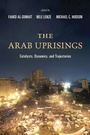
Fahed Al-Sumait | Nele Lenze | Michael C. Hudson
The Arab Uprisings
Catalysts, Dynamics, and Trajectories
E-Book
10/2014
1st Edition
Rowman & Littlefield Publishers
€48.99
Available for download
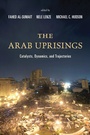
Fahed Al-Sumait | Nele Lenze | Michael C. Hudson
The Arab Uprisings
Catalysts, Dynamics, and Trajectories
E-Book
10/2014
1st Edition
Rowman & Littlefield Publishers
€48.99
Available for download
Persons
Editors:
Michael Hudson is director of the Middle East Institute, professor of Political Science at the National University of Singapore, and Professor Emeritus at Georgetown University, where he served as Director of the Center for Contemporary Arab Studies
Fahed Al-Sumait is department chair and assistant professor of communication at the Gulf University for Science and Technology in Kuwait. He is a founding member of the Association for Gulf and Arabian Peninsula Studies through the Middle East Studies Association.
Nele Lenze is Research Fellow at the Middle East Institute, National University of Singapore.
Contributors:
Lars Berger, Associate Professor in International Security, University of Leeds, UK. Researcher at the Moshe Dayan Centre for Middle Eastern and African Studies in Tel Aviv, and the King Faisal Centre for Islamic Research and Studies in Riyadh.
Mark Farha, Assistant Professor of Government at Georgetown University School of Foreign Service in Doha, Qatar.
Nouri Gana, Associate Professor of Comparative Literature and Near Eastern Languages and Cultures at the University of California, Los Angeles.
James Gelvin, Professor of Modern Middle Eastern History at the University of California, Los Angeles.
Raymond Hinnebusch, Professor of International Relations and Middle East Studies and Director of the Centre for Syrian Studies, University of St. Andrews.
Rami Khouri, Director of Issam Fares Institute for Public Policy and International Affairs at the American University of Beirut.
Lilia Labidi, former Minister of Women's Affairs in the Tunisian Government of National Unity. Visiting Research Professor at the Middle East Institute, National University of Singapore.
Anton Minkov, Defence Scientist / Strategic Analyst with the Centre for Operational Research and Analysis, part of Defence Research & Development, Government of Canada.
Ergun OEzbudun, Professor of Political Science and Constitutional Law, Bilkent University, Ankara, Turkey.
Larbi Sadiki, Tunisian writer and senior lecturer in the Politics Department at the University of Exeter, UK.
Peter Tikuisis, Senior Defence Scientist at Defence Research and Development, Government of Canada
Silvana Toska, visiting scholar at Harvard University.
Michael Hudson is director of the Middle East Institute, professor of Political Science at the National University of Singapore, and Professor Emeritus at Georgetown University, where he served as Director of the Center for Contemporary Arab Studies
Fahed Al-Sumait is department chair and assistant professor of communication at the Gulf University for Science and Technology in Kuwait. He is a founding member of the Association for Gulf and Arabian Peninsula Studies through the Middle East Studies Association.
Nele Lenze is Research Fellow at the Middle East Institute, National University of Singapore.
Contributors:
Lars Berger, Associate Professor in International Security, University of Leeds, UK. Researcher at the Moshe Dayan Centre for Middle Eastern and African Studies in Tel Aviv, and the King Faisal Centre for Islamic Research and Studies in Riyadh.
Mark Farha, Assistant Professor of Government at Georgetown University School of Foreign Service in Doha, Qatar.
Nouri Gana, Associate Professor of Comparative Literature and Near Eastern Languages and Cultures at the University of California, Los Angeles.
James Gelvin, Professor of Modern Middle Eastern History at the University of California, Los Angeles.
Raymond Hinnebusch, Professor of International Relations and Middle East Studies and Director of the Centre for Syrian Studies, University of St. Andrews.
Rami Khouri, Director of Issam Fares Institute for Public Policy and International Affairs at the American University of Beirut.
Lilia Labidi, former Minister of Women's Affairs in the Tunisian Government of National Unity. Visiting Research Professor at the Middle East Institute, National University of Singapore.
Anton Minkov, Defence Scientist / Strategic Analyst with the Centre for Operational Research and Analysis, part of Defence Research & Development, Government of Canada.
Ergun OEzbudun, Professor of Political Science and Constitutional Law, Bilkent University, Ankara, Turkey.
Larbi Sadiki, Tunisian writer and senior lecturer in the Politics Department at the University of Exeter, UK.
Peter Tikuisis, Senior Defence Scientist at Defence Research and Development, Government of Canada
Silvana Toska, visiting scholar at Harvard University.
Content
Foreword: The Long View of the Arab Uprisings
Rami Khouri
Chapter 1: Introduction: Broadening Conversations on the Arab Uprisings
Fahed Al-Sumait, Nele Lenze, and Michael Hudson
PART I: CATALYSTS
Chapter 2: Transition to What? Reflections on the Arab Uprisings
Michael Hudson
Chapter 3: The Arab Revolts: Local, Regional, and Global Catalysts and Consequences
Mark Farha
Chapter 4: The Political and Socio-Economic Origins of the Arab Uprisings: A Trinomial Probability Analysis
Peter Tikuisis and Anton Minkov
Chapter 5: Dissident Tunisia: Culture and Revolt
Nouri Gana
PART II: DYNAMICS
Chapter 6: Reassessing the Recent History of Political Islam in Light of the Arab Uprisings
James L. Gelvin
Chapter 7: Protest Mobilization in the Age of Twitter
Silvana Toska
Chapter 8: Free? Not So Fast! The Fourth Estate Flourishes and Falters With the Arab Uprisings
Adel Iskandar
Chapter 9: The Arab Uprisings in Tunisia: Parity, Elections, and the Struggle for Women's Rights
Lilia Labidi
PART III: TRAJECTORIES
Chapter 10: The Arab Uprisings: Alignments and the Regional Power Balance
Raymond Hinnebusch
Chapter 11: Turkey's Ordeal of Democratic Consolidation: A Possible Model for the Arab Uprisings?
Ergun OEzbudun
Chapter 12: Democratic Contagion versus Authoritarian Resilience: Jordan's Prospects for Change
Lars Berger
Chapter 13: Remaking the People: The Arab Uprisings and Democratization
Larbi Sadiki
Rami Khouri
Chapter 1: Introduction: Broadening Conversations on the Arab Uprisings
Fahed Al-Sumait, Nele Lenze, and Michael Hudson
PART I: CATALYSTS
Chapter 2: Transition to What? Reflections on the Arab Uprisings
Michael Hudson
Chapter 3: The Arab Revolts: Local, Regional, and Global Catalysts and Consequences
Mark Farha
Chapter 4: The Political and Socio-Economic Origins of the Arab Uprisings: A Trinomial Probability Analysis
Peter Tikuisis and Anton Minkov
Chapter 5: Dissident Tunisia: Culture and Revolt
Nouri Gana
PART II: DYNAMICS
Chapter 6: Reassessing the Recent History of Political Islam in Light of the Arab Uprisings
James L. Gelvin
Chapter 7: Protest Mobilization in the Age of Twitter
Silvana Toska
Chapter 8: Free? Not So Fast! The Fourth Estate Flourishes and Falters With the Arab Uprisings
Adel Iskandar
Chapter 9: The Arab Uprisings in Tunisia: Parity, Elections, and the Struggle for Women's Rights
Lilia Labidi
PART III: TRAJECTORIES
Chapter 10: The Arab Uprisings: Alignments and the Regional Power Balance
Raymond Hinnebusch
Chapter 11: Turkey's Ordeal of Democratic Consolidation: A Possible Model for the Arab Uprisings?
Ergun OEzbudun
Chapter 12: Democratic Contagion versus Authoritarian Resilience: Jordan's Prospects for Change
Lars Berger
Chapter 13: Remaking the People: The Arab Uprisings and Democratization
Larbi Sadiki