

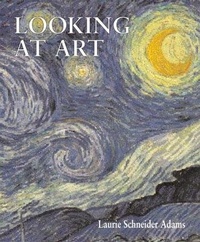
Looking At Art
Published on 21. May 2020
Book
Paperback/Softback
176 pages
978-0-13-034052-8 (ISBN)
Description
This stimulating and fascinating introduction to art contains a series of thematic chapters covering a range of topics that will provide readers with a basis for approaching art and enjoying it. It also serves to dispel some preconceptions about the visual arts-assumptions made about a work based on an individual's own experience. KEY TOPICS: Chapter topics include the appeal and aims of art, style and formal elements, artists at work, art themes, art in and out of context, approaches to art, and arguing about art. MARKET: For museum goers and anyone who wants a better understanding of art.
More details
Language
English
Place of publication
United States
Publishing group
Pearson Education (US)
Illustrations
Illustrations
Dimensions
Height: 234 mm
Width: 191 mm
Thickness: 13 mm
Weight
494 gr
ISBN-13
978-0-13-034052-8 (9780130340528)
Copyright in bibliographic data and cover images is held by Nielsen Book Services Limited or by the publishers or by their respective licensors: all rights reserved.
Schweitzer Classification
Person
Laurie Schneider Adams teaches at John Jay College, City University of New York, and the Graduate Center. She has written widely on the arts. Her books include A History of Western Art, The Methodologies of Art, Art on Trial, and Italian Renaissance Art.
Content
1. The Appeal of Art.
2. The Aims of Art.
Decorating the Environment. Recording the Past. Religious Art. Political Art. Images that Heal, Destroy, Protect and Warn Advertising Images.
3. Style and the Formal Elements of Art.
Line and Shape. Sculpure: David by Donatello and by Bernini. Painting: Castagno's David. Color. Light and Dark. Texture. Space and Shape as Context and Illusion. Linear Perspective. Eastern Perspective Systems. Architecture as Form and Function.
4. Artists at Work: Convention and Training.
The Aesthetic Context: Convention. The Cultural Context: How Artists Learn. The Cult of Bohemia and the Artists as Rebel. The Artists as Individual: Jackson Pollock.
5. Themes of Art.
The Divine Circle. The Circle as a Sign of Burial. The Column. The Iconographic Theme.
6. Art In and Out of Context.
Narrative Context. Architectural Context. The Museum as Context. The Archaeological Dig as Museum and Context. The Natural Context. The Urban Context: Site, Politics, Economics, and Christo and Jeanne-Claude.
7. Approaches to Art.
Formalism. Iconography. Marxism. Feminism. Semiotics. Biography and Autobiography. Psychoanalysis.
8. Arguing about Art.
Art and Politics. Aesthetic Quarrels. Iconoclasm.
2. The Aims of Art.
Decorating the Environment. Recording the Past. Religious Art. Political Art. Images that Heal, Destroy, Protect and Warn Advertising Images.
3. Style and the Formal Elements of Art.
Line and Shape. Sculpure: David by Donatello and by Bernini. Painting: Castagno's David. Color. Light and Dark. Texture. Space and Shape as Context and Illusion. Linear Perspective. Eastern Perspective Systems. Architecture as Form and Function.
4. Artists at Work: Convention and Training.
The Aesthetic Context: Convention. The Cultural Context: How Artists Learn. The Cult of Bohemia and the Artists as Rebel. The Artists as Individual: Jackson Pollock.
5. Themes of Art.
The Divine Circle. The Circle as a Sign of Burial. The Column. The Iconographic Theme.
6. Art In and Out of Context.
Narrative Context. Architectural Context. The Museum as Context. The Archaeological Dig as Museum and Context. The Natural Context. The Urban Context: Site, Politics, Economics, and Christo and Jeanne-Claude.
7. Approaches to Art.
Formalism. Iconography. Marxism. Feminism. Semiotics. Biography and Autobiography. Psychoanalysis.
8. Arguing about Art.
Art and Politics. Aesthetic Quarrels. Iconoclasm.