

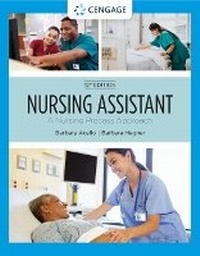
Nursing Assistant
A Nursing Process Approach
12th Edition
Published on 1. January 2021
Book
Paperback/Softback
1088 pages
978-0-357-37201-2 (ISBN)
Description
A longtime favorite among students, Acello/Hegner's NURSING ASSISTANT: A NURSING PROCESS APPROACH has prepared more nursing assistants for meaningful careers in acute care, long-term care and home health than any other text. Providing easy-to-understand explanations, the 12th Edition walks you step-by-step through more than 150 procedures, including key skills in patient handling and transfers, wound care, communication, safety and record keeping, as well as special care procedures for patients with medical devices, catheters and physical or mental impairments. Ensuring you have a solid foundation, it also explains essential background information on basic human anatomy, career planning and emerging health care trends. Vibrant color photos and illustrations bring chapter concepts to life, while numerous print and digital study tools help you maximize your course success.
More details
Edition
12th edition
Language
English
Place of publication
Clifton Park
United States
Publishing group
Cengage Learning, Inc
Target group
College/higher education
Dimensions
Height: 38 mm
Width: 215 mm
Thickness: 276 mm
Weight
2020 gr
ISBN-13
978-0-357-37201-2 (9780357372012)
Copyright in bibliographic data and cover images is held by Nielsen Book Services Limited or by the publishers or by their respective licensors: all rights reserved.
Schweitzer Classification
Persons
Barbara Acello is an independent nurse consultant and educator in Denton, Texas. She is an active, contributing member of the Texas Nurses Association and the American College of Healthcare Administrators, where she was honored with the national Educator of the Year Award in 2007, the Journalism Award in 2009 and the Chair's Award -- the organization's highest honor -- in 2016 for her years of extraordinary service. Stretching across four decades, her nursing career includes work in hospitals, long-term care facilities and home health, with geriatrics as her preferred area of clinical practice. Presently, she is involved with freelance consulting, lecturing and writing. She has written and contributed to many textbooks, journal articles, instructor guides, computerized test banks, quick reference guides, nursing and managerial reference books, online inservices and supplemental instructional materials for health care personnel. Believing that the nursing assistant is the most important caregiver in the health care facility, Acello is committed to improving working conditions, education and professionalism for these vital professionals. She may be contacted at bacello@aol.com. Barbara Hegner, MS, RN, Former Professor Emeritus Nursing and Life Science at Long Beach City College in California.
Content
SECTION 1: INTRODUCTION TO NURSING ASSISTING.
1. Community Health Care.
2. On the Job: Being a Nursing Assistant.
3. Consumer Rights and Responsibilities in Health Care.
4. Ethical and Legal Issues Affecting the Nursing Assistant.
SECTION 2: SCIENTIFIC PRINCIPLES.
5. Medical Terminology and Body Organization.
6. Classification of Disease.
SECTION 3: BASIC HUMAN NEEDS AND COMMUNICATION.
7. Communication Skills.
8. Observation, Reporting, and Documentation.
9. Meeting Basic Human Needs.
10. Comfort, Pain, Rest, and Sleep.
11. Developing Cultural Sensitivity.
SECTION 4: INFECTION AND INFECTION CONTROL.
12. Infection.
13. Infection Control.
SECTION 5: SAFETY AND MOBILITY.
14. Environmental and Nursing Assistant Safety.
15. Patient Safety and Positioning.
16. The Patient's Mobility: Transfer Skills.
17. The Patient's Mobility: Ambulation.
SECTION 6: MEASURING AND RECORDING VITAL SIGNS, HEIGHT, AND WEIGHT.
18. Body Temperature.
19. Pulse and Respiration.
20. Blood Pressure.
21. Measuring Height and Weight.
SECTION 7: PATIENT CARE AND COMFORT MEASURES.
22. Admission, Transfer, and Discharge.
23. Bedmaking.
24. Patient Bathing.
25. General Comfort Measures.
SECTION 8: PRINCIPLES OF NUTRITION AND FLUID BALANCE.
26. Nutritional Needs and Diet Modifications.
SECTION 9: SPECIAL CARE PROCEDURES.
27. Warm and Cold Applications.
28. Assisting with the Physical Examination.
29. The Surgical Patient.
30. Caring for the Emotionally Stressed Patient.
31. Caring for the Bariatric Patient.
32. Death and Dying.
SECTION 10: OTHER HEALTH CARE SETTINGS.
33. Care of the Elderly and Chronically Ill.
34. The Organization of Home Care: Trends in Health Care.
35. The Nursing Assistant in Home Care.
36. Subacute Care.
37. Alternative, Complementary, and Integrative Approaches to Patient Care.
SECTION 11: BODY SYSTEMS, COMMON DISORDERS, AND RELATED CARE PROCEDURES.
38. Integumentary System.
39. Respiratory System.
40. Circulatory (Cardiovascular) System.
41. Musculoskeletal System.
42. Endocrine System.
43. Nervous System.
44. Gastrointestinal System.
45. Urinary System.
46. Reproductive System.
47. Care of the Patient with Cancer.
SECTION 12: EXPANDED ROLE OF THE NURSING ASSISTANT.
48. Rehabilitation and Restorative Services.
49. Obstetrical Patient and Neonate.
50. Pediatric Patients.
SECTION 13: MOVING FORWARD.
51. Response to Basic Emergencies
52. Employment Opportunities and Career Growth.
1. Community Health Care.
2. On the Job: Being a Nursing Assistant.
3. Consumer Rights and Responsibilities in Health Care.
4. Ethical and Legal Issues Affecting the Nursing Assistant.
SECTION 2: SCIENTIFIC PRINCIPLES.
5. Medical Terminology and Body Organization.
6. Classification of Disease.
SECTION 3: BASIC HUMAN NEEDS AND COMMUNICATION.
7. Communication Skills.
8. Observation, Reporting, and Documentation.
9. Meeting Basic Human Needs.
10. Comfort, Pain, Rest, and Sleep.
11. Developing Cultural Sensitivity.
SECTION 4: INFECTION AND INFECTION CONTROL.
12. Infection.
13. Infection Control.
SECTION 5: SAFETY AND MOBILITY.
14. Environmental and Nursing Assistant Safety.
15. Patient Safety and Positioning.
16. The Patient's Mobility: Transfer Skills.
17. The Patient's Mobility: Ambulation.
SECTION 6: MEASURING AND RECORDING VITAL SIGNS, HEIGHT, AND WEIGHT.
18. Body Temperature.
19. Pulse and Respiration.
20. Blood Pressure.
21. Measuring Height and Weight.
SECTION 7: PATIENT CARE AND COMFORT MEASURES.
22. Admission, Transfer, and Discharge.
23. Bedmaking.
24. Patient Bathing.
25. General Comfort Measures.
SECTION 8: PRINCIPLES OF NUTRITION AND FLUID BALANCE.
26. Nutritional Needs and Diet Modifications.
SECTION 9: SPECIAL CARE PROCEDURES.
27. Warm and Cold Applications.
28. Assisting with the Physical Examination.
29. The Surgical Patient.
30. Caring for the Emotionally Stressed Patient.
31. Caring for the Bariatric Patient.
32. Death and Dying.
SECTION 10: OTHER HEALTH CARE SETTINGS.
33. Care of the Elderly and Chronically Ill.
34. The Organization of Home Care: Trends in Health Care.
35. The Nursing Assistant in Home Care.
36. Subacute Care.
37. Alternative, Complementary, and Integrative Approaches to Patient Care.
SECTION 11: BODY SYSTEMS, COMMON DISORDERS, AND RELATED CARE PROCEDURES.
38. Integumentary System.
39. Respiratory System.
40. Circulatory (Cardiovascular) System.
41. Musculoskeletal System.
42. Endocrine System.
43. Nervous System.
44. Gastrointestinal System.
45. Urinary System.
46. Reproductive System.
47. Care of the Patient with Cancer.
SECTION 12: EXPANDED ROLE OF THE NURSING ASSISTANT.
48. Rehabilitation and Restorative Services.
49. Obstetrical Patient and Neonate.
50. Pediatric Patients.
SECTION 13: MOVING FORWARD.
51. Response to Basic Emergencies
52. Employment Opportunities and Career Growth.