

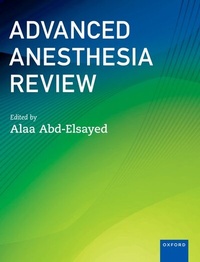
Advanced Anesthesia Review
Published on 12. April 2023
Book
Paperback/Softback
1002 pages
978-0-19-758452-1 (ISBN)
Description
Advanced Anesthesia Review provides a comprehensive knowledge review for all second-year US Anesthesiology residents taking the American Board of Anesthesiology's (ABA) Advanced Exam.
A companion to Basic Anesthesia Review, this essential review features concise and readable chapters covering the relevant knowledge and concepts as determined by the ABA's curriculum. While multiple books are available for board review, very few have published since the ABA restructured board examinations. Advanced Anesthesia Review is organized topically according to the most recently published ABA curriculum and highlights ABA key words along with bulleted key points to reinforce key concepts and facts.
A companion to Basic Anesthesia Review, this essential review features concise and readable chapters covering the relevant knowledge and concepts as determined by the ABA's curriculum. While multiple books are available for board review, very few have published since the ABA restructured board examinations. Advanced Anesthesia Review is organized topically according to the most recently published ABA curriculum and highlights ABA key words along with bulleted key points to reinforce key concepts and facts.
More details
Language
English
Place of publication
New York
United States
Target group
Professional and scholarly
Dimensions
Height: 216 mm
Width: 279 mm
Thickness: 53 mm
Weight
2313 gr
ISBN-13
978-0-19-758452-1 (9780197584521)
Copyright in bibliographic data and cover images is held by Nielsen Book Services Limited or by the publishers or by their respective licensors: all rights reserved.
Schweitzer Classification
Other editions
Additional editions
Person
Alaa Abd-Elsayed is Associate Professor of Anesthesiology at University of Wisconsin-Madison.
Content
BASIC SCIENCES Monitoring Methods
1. Vascular Pressures
2. Brain and Spinal Cord Function
3. Mixed Venous Oxygen Saturation
4. Cardiac Output
5. Coagulation Monitors
6. Ultrasound-Guided Placement of Vascular Catheters
7. Point-of-Care Ultrasound (POCUS)
8. ASA Monitoring Standards Ventilators
9. Continous Positive Airway Pressure (CPAP) and Positive End-Expiratory Pressure (PEEP)
10. Nebulizers, Humidifiers, Drug Delivery Systems
11. Electrical, Fire, and Explosion Hazards Anesthesia Procedures, Methods, and Techniques
12. Controlled Hypotension
13. Hyperbaric Medicine: Indications and Application of Hyperbaric Oxygen Therapy
14. High Altitude Anesthesia Nervous System
15. Central and Peripheral Nervous Systems
16. Drug Metabolism
17. Intracranial Pressure
18. Brain Volume
19. Intracranial Pressure and Herniation
20. Electroencephalography (EEG)
21. Evoked Potentials CLINICAL SCIENCES Regional Anesthesia
22. Common Complications of Local Anesthetics
23. Peripheral and Autonomic Nerve Blocks
24. Automatic Nerver Blocks
25. Nerve Blocks (Head)
26. Nerve Blocks (Neck)
27. Extremeties Nerve Blocks
28. Truncal Nerve Blocks
29. Spine Related Procedures
30. Diagnosis and Management of Local Anesthetic Systemic Toxicity (LAST)
31. Intravenous Lipid Emulsion Therapy and the American Society of Regional Anesthesia Checklist for Local Anesthetic Toxicity
32. Role of Regional Anesthesia in Enhanced Recovery Protocols
33. Innervation of Pelvic Structures Pharmacology
34. General Concepts in Pharmacology
35. Pharmacogenetics and Genetic Factors in Drug Dose-Response Relationships
36. Malignant Hyperthermia
37. Butyrlcholinesterase (Pseudocholinesterase) Deficiency
38. Prolonged Qt Syndrome
39. Rapid Metabolizers
40. Addiction
41. Anesthetic Implications of Addiction
42. Addiction versus Tolerance
43. CNS Drugs for Non-Anesthetic Use
44. Non-Streroidal Anti-Inflammatory Drugs (NSAIDs)
45. Acetaminophen
46. Alpha-2 Agonists
47. Tranquilizers
48. Antidepressants, Anti-Parkinson Drugs
49. Arousal Agents
50. Antiemetics
51. Anti-aspiration medications
52. Chronic Opioid Dependence and Therapy
53. Sympathetic Nervous System: Anatomy, Drugs, Receptors, Transmitters
54. Parasympethetic: Anatomy, Drugs Receptors Transmitters Central Nervous System
55. Anatomy of Central Nervous System
56. Neurologic Disorders
57. Musculoskeletal System
58. Epilepsy
59. Coma and Hyperosmolar Coma
60. Therapeutic Barbiturate Coma
61. Drug Intoxication
62. Paraplegia, Quadriplegia, Spinal Shock, Autonomic Hyperreflexia, Acute Spinal Cord Injury
63. Airway Management in the Patient with Cervical Spine Disease
64. Tetanus
65. Positioning and Anesthesia in the Sitting Position
67. Cerebral Protection
68. Intracranial Aneurysms and A-V Malformations
69. Interventional Neuroradiology
70. Pituitary Adenoma
71. Fluid Management in Neurosurgery
72. Spinal Fluid Drainage
73. Stereotactic and Gamma-Knife Techniques, Deep Brain Stimulator Placement, Intraoperative Wake-Up Techniques
74. Ventriculostomy
75. Awake Craniotomy
76. Postoperative Visual Loss
77. Hypothermia
78. MAC and Sedation Respiratory System Anatomy
79. Divisions and Bronchoscopic Anatomy
80. Bronchial and Pulmonary Circulations
81. Lung Mechanics
82. Normal Acid-Base Regulation
83. Effects of Imbalance on Electrolytes and Organ Perfusion
84. Strong Ionic Difference (SID)
85. Arterial Blood Gas Interpretation
86. The Anion Gap and Metabolic Acidosis
87. Temperature Effect on Blood Gases: Alpha-Stat vs. pH-Stat
88. Lung Functions and Cellular Processes
89. Ventilation
90. Lung Volumes
91. Pulmonary Function Tests
92. Obstructive Lung Disease
93. Restrictive Lung Disease
94. Evaluation and Management of the Patient with Respiratory Disease (Intraoperative Management)
95. Respiratory Adjungts: Heliox, Nitric Oxide, Epoprostenol and Intraoperative Steroids
96. Preoperative Evaluation and Preparation of the Patient with Pulmonary Disease
97. Choice of Anesthesia and Anesthetic Techniques in Thoracic Surgery
98. Non-Pulmonary Surgery
99. Thoracic and Pulmonary Surgery
100. Bronchopleural Fistula
101. One-Lung Ventilation
102. Thoracoscopy
103. Postoperative Pain
104. Ventilator Support and Extubation Criteria
105. Management of Respiratory Failure
106. Modes of Ventilation
107. BIPAP, Airway Pressure Release Ventilation, and Prone Ventilation
108. Sleep Apnea
109. Complications and Side Effects of Mechnical Ventilation
110. Volutrauma, Barotrauma, Biotrauma
111. Management of Bronchospasm
112. Lung Transplantation Cardiovascular System Anatomy
113. Normal Anatomy of Heart and Major Vessels
114. Echocardiographic Heart Anatomy
115. Cardiac Catheterization
116. Ischemic Heart Disease
117. Coronary Artery Bypass Procedures
118. Valvular Heart Disease
119. Subacute Bacterial Endocarditis Prophylaxis
120. Rhythym Disorders and Conduction Defects
121. Pacemakers and Automated Implantable Cardioverter/Defibrillator (AICD)
122. Perioperative Implications of Pacemaker and AICD
123. Ventricular Synchronization
124. Ablations, Cryotherapy, and Maze Procedure
125. Heart Failure and Cardiomyopathy
126. Systolic vs. Diastolic Dysfunction 127. Post-obstructive Pulmonary Edema 128. Pulmonary Hypertension
129. Heart Transplantation 130. Cardiac Tamponade 131. Constrictive Pericarditis 132. Mechanical Circulatory Assist Devices
133. Cardiopulmonary Bypass
134. Myocardial Preservation
135. Preconditioning
137. Off-Pump Coronary Artery Bypass (OPCAB)
138. Minimally Invasive Direct Coronary Artery Bypass (MIDCAB)
139. Percutaneous Valve Repair/Replacement
140. Intraaortic Balloon Pump 141. Extracorporeal Membrane Oxygenation (ECMO) 142. Ventricular Assist Devices
143. Pulmonary Embolism
144. Hypertension
145. Effect of Intracardiac Shunts on Inhalation Induction Vascular Diseases
146. Carotid Endarterectomy
147. Peripheral Arteriosclerotic Disease
148. Aortic Aneurysm
149. Advanced Cardiopulmonary Resuscitation Gastrointestinal and Hepatic Systems
150. Anatomy of the Gastrointestinal System
151. Parenteral Nutrition
152. Morbid Obesity/Anesthesia for Bariatric Surgery
153. Postoperative Hepatic Dysfunction
154. Liver Transplant Surgery
155. Anesthesia for Upper and Lower GI Endoscopy Renal and Urinary Systems
156. Renal Anatomy
157. Pathophysiology of Renal Disease
158. Anesthetic Management in Renal Failure and Arteriovenous (A-V) Shunts 159. Anesthetic Management for Kidney Transplantation
160. Anesthesia for Extracorporal Shock Wave Lithotripsy
161. Perioperative Oliguria and Anuria
162. Dialysis and Hemofiltration 163. Pharmacologic Prevention and Treatment of Renal Failure
164. Urologic Surgery
165. Perioperative Electrolyte Abnormalities
166. Fluid Therapy and Homeostasis
167. Fluid Balance During Surgery
168. Assessment of Fluid Responsiveness and Goal-Directed Therapies
169. Esophageal Doppler
170. Complications of Transurethral Resection of the Prostate Hematologic System
171. Anemias
172. Polycythemias
173. Thrombocytopenia and Thrombocytopathy
174. Congenital and Acquired Factor Deficiencies
175. Disseminated Intravascular Coagulation
176. Fibrinolysis
177. Anticoagulants and Antagonists
178. Coagulopathy in Trauma Patients
179. Hemoglobinopathies and Porphyrias
180. Transfusion Indications and Reactions
181. Complications of Transfusions
182. Transfusion Therapy for Massive Hemorrhage
183. Transfusion Ratios: Red Blood Cells to Plasma 184. Use of Uncross Matched Products Endocrine and Metabolic Systems
185. Anatomy of the Endocrine system
186. Hypopituitary Disease
187. Thyroid Gland 188. Parathyroid Disease
189. Adrenal Disease
190. Carcinoid Syndrome
191. Diabetes Mellitus 192. Pancreas Transplantation Neuromuscular Diseases and Disorders
193. Multiple Sclerosis
194. Guillain-Barre Syndrome
195. Charcot-Marie-Tooth Disease
196. Muscular Dystrophies
197. Mitochondrial Myopathies 198. Myasthenia Gravis
199. Lambert-Eaton Myasthenic Syndrome
200. Congenital Myasthenic Syndromes
201. Ion Channel Myotonias, Myotonia Congenita and Acquired Neuromyotonia
202. Hyperkalemic Periodic Paralysis
203. Hypokalemic Periodic Paralysis Clinical Subspecialties
115. Painful Disease States 116. Cancer Pain
117. Acute and Chronic Neck and Low Back Pain
118. Neuropathic Pain States
119. Complex Regional Pain Syndrome
120. Postherpetic Neuralgia
121. Phantom Limb Pain
122. Peripheral Neuropathies 123. Postoperative Epidural Analgesia 124. Neuraxial Opioids 125. Patient-Controlled Analgesia 126. Systemic Multimodal Analgesia 127. Continuous Spinal and Epidural Analgesia
128. Neurolytic and Non-Neurolytic Blocks
219. World Health Organization (WHO) Analgesic Ladder Pediatric Anesthesia
220. Apparatus and Breathing Circuits
221. Endotracheal Tube Selection 222. Warming Devices
223. Premedications
224. Agents, Techniques and Mapleson Circuits
225. Induction Techniques
226. Anesthetics Actions Different From Adults
227. Drug Toxicities Preferentially Occurring in Children
228. Opioid Dosing and Sensitivity
229. Neuromuscular Blockers 230. Regional Anesthesia
231. Fluid Therapy and Blood Replacement 232. NPO Guidelines for Pediatric Patients
233. Problems in Intubation and Extubation 234. Neonatal Physiology 235. Cardiovascular System
236. Metabolism, Fluid Distribution and Renal Function
237. Thermal Regulation
239. Fetal Hemoglobin 240. Bronchopulmonary Dysplasia 241. Congenital Heart and Major Vascular Disease
242. Cyanotic Defects
243. Acyanotic Defects
244. Primary Pulmonary Hypertension 245. Major Vascular Malformations 246. Altered Uptake/Distribution of IV and Inhalation Anesthetics
247. Cardiac Surgery; Corrective and Palliative
248. Noncardiac Surgery
249. Chronic Congenital Heart Disease
250. Congenital Diaphragmatic Hernia
251. Tracheoesophageal Fistula
252. Neonatal Lobar Emphysema 253. Pyloric Stenosis
254. Necrotizing Enterocolitis 255. Omphalocele/Gastroschisis 256. Meconium Aspiration
257. Respiratory Distress Syndrome 258. Myelomeningocele
259. Pnemo, Hemo, and Chylothorces
260. Upper Respiratory Infections (Colds, Epiglottitis, Laryngotracheobronchitis), Bronchopulmonary Dysplasia, Cystic Fibrosis
261. Musculoskeletal Disease
262. Hydrocephalus
263. Developmental Delay, Cerebral Palsy, Autism
264. Childhood Obesity
265. Skeletal Abnormalities in Children
266. Trisomy 21 (Down syndrome) and VATER Association
267. Chromosomal Abnormalities and Other Common Pediatric Syndromes
268. Juvenile Idiopathic Arthritis
269. Malignant Hyperthermia in Children Anesthetic Implications for Common Non-Neonatal Pediatric Subspecialty Surgery
270. Otolaryngology 271. Neurosurgery
272. Thoracic Surgery 273. General and Urologic Surgery
274. Orthopedic Surgery
275. Ophthalmologic Surgeries
276. Pediatric Outpatient Surgery
277. Systemic Medications and Routes of Administration, Multimodal Therapy.
278. Regional Techniques
279. Pediatric Management of Postoperative Nausea and Vomiting
280. Pediatric Sedation. Kasia. kasia.rubin@gmail.com
281. Pediatric Anesthesia Outside the Operating Room Obstetric Anesthesia
282. Maternal Physiology
283. Placenta
284. Anesthetic Drugs and Adjuvants
285 Oxytocic Drugs
286. Tocolytic Drugs
287. Mechanisms of Placental Transfer and Placental Transfer of Specific Drugs
288. Fetal Disposition of Drugs
289. Drug Effects on Newborn
290. Amniotic Fluid
291. Labor Analgesia
292. Systemic Medications
293. Other Blocks
294. Complications of Obstetric Anesthesia
295. Physiology of Labor 296. Influence of Anesthetic Technique on Labor
297. Cesarean Section 298. Anesthesia for Cerclage or Non-Obstetric Surgery
299. Ectopic Pregnancy
300. Spontaneous Abortion
301. Gestational Trophoblastic Disease
302. Autoimmune Disorders
303 Endocrine Disorders
304. Heart Disease
305. Hematologic Disorders 306. Hypertension
307. Neurologic Disorders
308. Respiratory Disorders
309. Renal Changes During Pregnancy
310. Fetal Monitoring
311. Preeclampsia and Eclampsia 312. Supine Hypotensive Syndrome
313. Aspiration of Gastric Contents 314. Embolic Disorders
315. Antepartum Hemorrhage
316. Postpartum Hemorrhage
317. Umbilical Cord Prolapse
318. Retained Placenta
319. Dystocia,l Malposition, and Malrepresentation
320. Maternal Cardiopulmonary Resuscitation
321. Fever and Infection 322. Preterm Labor
323. Trial of Labor after Cesarean Delivery
324. Multiple Gestation
325. Neonatal Resuscitation 326. Apgar Scoring
327. Umbilical Cord Blood Gas
328. Intrauterine Surgery
329. Anesthetic Condierations in Breast-Feeding Otorhinolaryngology (ENT) Anesthesia
330. Airway Endoscopy, Microlaryngeal Surgery, Laser Surgery
331. Hazards and Complications 332. Intraoperative Thyroid and Parathyroid Function Monitoring
333. Nerve Injury Monitoring During ENT Surgery Miscellaneous
334. Liposuction
335. Anesthesia for Laparoscopic Surgery 336. Ophthalmologic Anesthesia
337. Orthopedic Anesthesia 338. Anesthesia for Trauma Patient 339. Anesthesia for MRI
340. Hemorrhagic Shock
341. Mass Casualty Events
342. Chemical and Biological Warfare
343. Anesthesia for Outpatient Surgery
344. Patient Selection and Preoperative Management 345. Discharge Criteria and Postoperative Follow Up
346. Office-Based Anesthesia 347. Geriatrics
348. Pharmacological Implications
349. Shock States 350. Systemic Inflammatory Response Syndrome
351. Multiple Organ Dysfunction Syndrome
352. Prescription Medication Overdose
353. Carbon Monoxide Poisoning
354. Drowning 355. Infection Control
356. Needle Stick Injury 357. Intravascular Catheter and Urinary Catheter Infection
358. Ventilator Associated Pneumonia
359. Antimicrobials
360. Mechanical Ventilation
361. Post-Operative Headache Special Problems in Anesthesiology
363. Electroconvulsive Therapy
364. Organ Donors and Procurement
365. Brain Death Criteria
366. Radiological Procedures
367. Ethics, Practice Management, Professionalism and Medicolegal Issues
368. Ethics, Advance Directives/Do Not Resuscitate (DNR) Orders
369. Malpractice
370. Initial Certification, Recertification, Maintenance of Certification and Related Issues
371. Costs of Medical/Anesthesia Care and Operating Room Management 372. Definitions 373. Medications Errors 374. Reporting: Mandatory and Voluntary Systems, Legal Requirements, Anesthesia Quality Institute and Physician Quality Reporting System
375. Safety Practices 376. Root Cause Analysis
377. Crisis Management and Teamwork
378. Quality Improvement
379. Six Sigma and Lean Operations for the Anesthesiologist
380. Barriers to Quality Improvement
381. Federal Regulatory Requirements and Quality Payment Programs
1. Vascular Pressures
2. Brain and Spinal Cord Function
3. Mixed Venous Oxygen Saturation
4. Cardiac Output
5. Coagulation Monitors
6. Ultrasound-Guided Placement of Vascular Catheters
7. Point-of-Care Ultrasound (POCUS)
8. ASA Monitoring Standards Ventilators
9. Continous Positive Airway Pressure (CPAP) and Positive End-Expiratory Pressure (PEEP)
10. Nebulizers, Humidifiers, Drug Delivery Systems
11. Electrical, Fire, and Explosion Hazards Anesthesia Procedures, Methods, and Techniques
12. Controlled Hypotension
13. Hyperbaric Medicine: Indications and Application of Hyperbaric Oxygen Therapy
14. High Altitude Anesthesia Nervous System
15. Central and Peripheral Nervous Systems
16. Drug Metabolism
17. Intracranial Pressure
18. Brain Volume
19. Intracranial Pressure and Herniation
20. Electroencephalography (EEG)
21. Evoked Potentials CLINICAL SCIENCES Regional Anesthesia
22. Common Complications of Local Anesthetics
23. Peripheral and Autonomic Nerve Blocks
24. Automatic Nerver Blocks
25. Nerve Blocks (Head)
26. Nerve Blocks (Neck)
27. Extremeties Nerve Blocks
28. Truncal Nerve Blocks
29. Spine Related Procedures
30. Diagnosis and Management of Local Anesthetic Systemic Toxicity (LAST)
31. Intravenous Lipid Emulsion Therapy and the American Society of Regional Anesthesia Checklist for Local Anesthetic Toxicity
32. Role of Regional Anesthesia in Enhanced Recovery Protocols
33. Innervation of Pelvic Structures Pharmacology
34. General Concepts in Pharmacology
35. Pharmacogenetics and Genetic Factors in Drug Dose-Response Relationships
36. Malignant Hyperthermia
37. Butyrlcholinesterase (Pseudocholinesterase) Deficiency
38. Prolonged Qt Syndrome
39. Rapid Metabolizers
40. Addiction
41. Anesthetic Implications of Addiction
42. Addiction versus Tolerance
43. CNS Drugs for Non-Anesthetic Use
44. Non-Streroidal Anti-Inflammatory Drugs (NSAIDs)
45. Acetaminophen
46. Alpha-2 Agonists
47. Tranquilizers
48. Antidepressants, Anti-Parkinson Drugs
49. Arousal Agents
50. Antiemetics
51. Anti-aspiration medications
52. Chronic Opioid Dependence and Therapy
53. Sympathetic Nervous System: Anatomy, Drugs, Receptors, Transmitters
54. Parasympethetic: Anatomy, Drugs Receptors Transmitters Central Nervous System
55. Anatomy of Central Nervous System
56. Neurologic Disorders
57. Musculoskeletal System
58. Epilepsy
59. Coma and Hyperosmolar Coma
60. Therapeutic Barbiturate Coma
61. Drug Intoxication
62. Paraplegia, Quadriplegia, Spinal Shock, Autonomic Hyperreflexia, Acute Spinal Cord Injury
63. Airway Management in the Patient with Cervical Spine Disease
64. Tetanus
65. Positioning and Anesthesia in the Sitting Position
67. Cerebral Protection
68. Intracranial Aneurysms and A-V Malformations
69. Interventional Neuroradiology
70. Pituitary Adenoma
71. Fluid Management in Neurosurgery
72. Spinal Fluid Drainage
73. Stereotactic and Gamma-Knife Techniques, Deep Brain Stimulator Placement, Intraoperative Wake-Up Techniques
74. Ventriculostomy
75. Awake Craniotomy
76. Postoperative Visual Loss
77. Hypothermia
78. MAC and Sedation Respiratory System Anatomy
79. Divisions and Bronchoscopic Anatomy
80. Bronchial and Pulmonary Circulations
81. Lung Mechanics
82. Normal Acid-Base Regulation
83. Effects of Imbalance on Electrolytes and Organ Perfusion
84. Strong Ionic Difference (SID)
85. Arterial Blood Gas Interpretation
86. The Anion Gap and Metabolic Acidosis
87. Temperature Effect on Blood Gases: Alpha-Stat vs. pH-Stat
88. Lung Functions and Cellular Processes
89. Ventilation
90. Lung Volumes
91. Pulmonary Function Tests
92. Obstructive Lung Disease
93. Restrictive Lung Disease
94. Evaluation and Management of the Patient with Respiratory Disease (Intraoperative Management)
95. Respiratory Adjungts: Heliox, Nitric Oxide, Epoprostenol and Intraoperative Steroids
96. Preoperative Evaluation and Preparation of the Patient with Pulmonary Disease
97. Choice of Anesthesia and Anesthetic Techniques in Thoracic Surgery
98. Non-Pulmonary Surgery
99. Thoracic and Pulmonary Surgery
100. Bronchopleural Fistula
101. One-Lung Ventilation
102. Thoracoscopy
103. Postoperative Pain
104. Ventilator Support and Extubation Criteria
105. Management of Respiratory Failure
106. Modes of Ventilation
107. BIPAP, Airway Pressure Release Ventilation, and Prone Ventilation
108. Sleep Apnea
109. Complications and Side Effects of Mechnical Ventilation
110. Volutrauma, Barotrauma, Biotrauma
111. Management of Bronchospasm
112. Lung Transplantation Cardiovascular System Anatomy
113. Normal Anatomy of Heart and Major Vessels
114. Echocardiographic Heart Anatomy
115. Cardiac Catheterization
116. Ischemic Heart Disease
117. Coronary Artery Bypass Procedures
118. Valvular Heart Disease
119. Subacute Bacterial Endocarditis Prophylaxis
120. Rhythym Disorders and Conduction Defects
121. Pacemakers and Automated Implantable Cardioverter/Defibrillator (AICD)
122. Perioperative Implications of Pacemaker and AICD
123. Ventricular Synchronization
124. Ablations, Cryotherapy, and Maze Procedure
125. Heart Failure and Cardiomyopathy
126. Systolic vs. Diastolic Dysfunction 127. Post-obstructive Pulmonary Edema 128. Pulmonary Hypertension
129. Heart Transplantation 130. Cardiac Tamponade 131. Constrictive Pericarditis 132. Mechanical Circulatory Assist Devices
133. Cardiopulmonary Bypass
134. Myocardial Preservation
135. Preconditioning
137. Off-Pump Coronary Artery Bypass (OPCAB)
138. Minimally Invasive Direct Coronary Artery Bypass (MIDCAB)
139. Percutaneous Valve Repair/Replacement
140. Intraaortic Balloon Pump 141. Extracorporeal Membrane Oxygenation (ECMO) 142. Ventricular Assist Devices
143. Pulmonary Embolism
144. Hypertension
145. Effect of Intracardiac Shunts on Inhalation Induction Vascular Diseases
146. Carotid Endarterectomy
147. Peripheral Arteriosclerotic Disease
148. Aortic Aneurysm
149. Advanced Cardiopulmonary Resuscitation Gastrointestinal and Hepatic Systems
150. Anatomy of the Gastrointestinal System
151. Parenteral Nutrition
152. Morbid Obesity/Anesthesia for Bariatric Surgery
153. Postoperative Hepatic Dysfunction
154. Liver Transplant Surgery
155. Anesthesia for Upper and Lower GI Endoscopy Renal and Urinary Systems
156. Renal Anatomy
157. Pathophysiology of Renal Disease
158. Anesthetic Management in Renal Failure and Arteriovenous (A-V) Shunts 159. Anesthetic Management for Kidney Transplantation
160. Anesthesia for Extracorporal Shock Wave Lithotripsy
161. Perioperative Oliguria and Anuria
162. Dialysis and Hemofiltration 163. Pharmacologic Prevention and Treatment of Renal Failure
164. Urologic Surgery
165. Perioperative Electrolyte Abnormalities
166. Fluid Therapy and Homeostasis
167. Fluid Balance During Surgery
168. Assessment of Fluid Responsiveness and Goal-Directed Therapies
169. Esophageal Doppler
170. Complications of Transurethral Resection of the Prostate Hematologic System
171. Anemias
172. Polycythemias
173. Thrombocytopenia and Thrombocytopathy
174. Congenital and Acquired Factor Deficiencies
175. Disseminated Intravascular Coagulation
176. Fibrinolysis
177. Anticoagulants and Antagonists
178. Coagulopathy in Trauma Patients
179. Hemoglobinopathies and Porphyrias
180. Transfusion Indications and Reactions
181. Complications of Transfusions
182. Transfusion Therapy for Massive Hemorrhage
183. Transfusion Ratios: Red Blood Cells to Plasma 184. Use of Uncross Matched Products Endocrine and Metabolic Systems
185. Anatomy of the Endocrine system
186. Hypopituitary Disease
187. Thyroid Gland 188. Parathyroid Disease
189. Adrenal Disease
190. Carcinoid Syndrome
191. Diabetes Mellitus 192. Pancreas Transplantation Neuromuscular Diseases and Disorders
193. Multiple Sclerosis
194. Guillain-Barre Syndrome
195. Charcot-Marie-Tooth Disease
196. Muscular Dystrophies
197. Mitochondrial Myopathies 198. Myasthenia Gravis
199. Lambert-Eaton Myasthenic Syndrome
200. Congenital Myasthenic Syndromes
201. Ion Channel Myotonias, Myotonia Congenita and Acquired Neuromyotonia
202. Hyperkalemic Periodic Paralysis
203. Hypokalemic Periodic Paralysis Clinical Subspecialties
115. Painful Disease States 116. Cancer Pain
117. Acute and Chronic Neck and Low Back Pain
118. Neuropathic Pain States
119. Complex Regional Pain Syndrome
120. Postherpetic Neuralgia
121. Phantom Limb Pain
122. Peripheral Neuropathies 123. Postoperative Epidural Analgesia 124. Neuraxial Opioids 125. Patient-Controlled Analgesia 126. Systemic Multimodal Analgesia 127. Continuous Spinal and Epidural Analgesia
128. Neurolytic and Non-Neurolytic Blocks
219. World Health Organization (WHO) Analgesic Ladder Pediatric Anesthesia
220. Apparatus and Breathing Circuits
221. Endotracheal Tube Selection 222. Warming Devices
223. Premedications
224. Agents, Techniques and Mapleson Circuits
225. Induction Techniques
226. Anesthetics Actions Different From Adults
227. Drug Toxicities Preferentially Occurring in Children
228. Opioid Dosing and Sensitivity
229. Neuromuscular Blockers 230. Regional Anesthesia
231. Fluid Therapy and Blood Replacement 232. NPO Guidelines for Pediatric Patients
233. Problems in Intubation and Extubation 234. Neonatal Physiology 235. Cardiovascular System
236. Metabolism, Fluid Distribution and Renal Function
237. Thermal Regulation
239. Fetal Hemoglobin 240. Bronchopulmonary Dysplasia 241. Congenital Heart and Major Vascular Disease
242. Cyanotic Defects
243. Acyanotic Defects
244. Primary Pulmonary Hypertension 245. Major Vascular Malformations 246. Altered Uptake/Distribution of IV and Inhalation Anesthetics
247. Cardiac Surgery; Corrective and Palliative
248. Noncardiac Surgery
249. Chronic Congenital Heart Disease
250. Congenital Diaphragmatic Hernia
251. Tracheoesophageal Fistula
252. Neonatal Lobar Emphysema 253. Pyloric Stenosis
254. Necrotizing Enterocolitis 255. Omphalocele/Gastroschisis 256. Meconium Aspiration
257. Respiratory Distress Syndrome 258. Myelomeningocele
259. Pnemo, Hemo, and Chylothorces
260. Upper Respiratory Infections (Colds, Epiglottitis, Laryngotracheobronchitis), Bronchopulmonary Dysplasia, Cystic Fibrosis
261. Musculoskeletal Disease
262. Hydrocephalus
263. Developmental Delay, Cerebral Palsy, Autism
264. Childhood Obesity
265. Skeletal Abnormalities in Children
266. Trisomy 21 (Down syndrome) and VATER Association
267. Chromosomal Abnormalities and Other Common Pediatric Syndromes
268. Juvenile Idiopathic Arthritis
269. Malignant Hyperthermia in Children Anesthetic Implications for Common Non-Neonatal Pediatric Subspecialty Surgery
270. Otolaryngology 271. Neurosurgery
272. Thoracic Surgery 273. General and Urologic Surgery
274. Orthopedic Surgery
275. Ophthalmologic Surgeries
276. Pediatric Outpatient Surgery
277. Systemic Medications and Routes of Administration, Multimodal Therapy.
278. Regional Techniques
279. Pediatric Management of Postoperative Nausea and Vomiting
280. Pediatric Sedation. Kasia. kasia.rubin@gmail.com
281. Pediatric Anesthesia Outside the Operating Room Obstetric Anesthesia
282. Maternal Physiology
283. Placenta
284. Anesthetic Drugs and Adjuvants
285 Oxytocic Drugs
286. Tocolytic Drugs
287. Mechanisms of Placental Transfer and Placental Transfer of Specific Drugs
288. Fetal Disposition of Drugs
289. Drug Effects on Newborn
290. Amniotic Fluid
291. Labor Analgesia
292. Systemic Medications
293. Other Blocks
294. Complications of Obstetric Anesthesia
295. Physiology of Labor 296. Influence of Anesthetic Technique on Labor
297. Cesarean Section 298. Anesthesia for Cerclage or Non-Obstetric Surgery
299. Ectopic Pregnancy
300. Spontaneous Abortion
301. Gestational Trophoblastic Disease
302. Autoimmune Disorders
303 Endocrine Disorders
304. Heart Disease
305. Hematologic Disorders 306. Hypertension
307. Neurologic Disorders
308. Respiratory Disorders
309. Renal Changes During Pregnancy
310. Fetal Monitoring
311. Preeclampsia and Eclampsia 312. Supine Hypotensive Syndrome
313. Aspiration of Gastric Contents 314. Embolic Disorders
315. Antepartum Hemorrhage
316. Postpartum Hemorrhage
317. Umbilical Cord Prolapse
318. Retained Placenta
319. Dystocia,l Malposition, and Malrepresentation
320. Maternal Cardiopulmonary Resuscitation
321. Fever and Infection 322. Preterm Labor
323. Trial of Labor after Cesarean Delivery
324. Multiple Gestation
325. Neonatal Resuscitation 326. Apgar Scoring
327. Umbilical Cord Blood Gas
328. Intrauterine Surgery
329. Anesthetic Condierations in Breast-Feeding Otorhinolaryngology (ENT) Anesthesia
330. Airway Endoscopy, Microlaryngeal Surgery, Laser Surgery
331. Hazards and Complications 332. Intraoperative Thyroid and Parathyroid Function Monitoring
333. Nerve Injury Monitoring During ENT Surgery Miscellaneous
334. Liposuction
335. Anesthesia for Laparoscopic Surgery 336. Ophthalmologic Anesthesia
337. Orthopedic Anesthesia 338. Anesthesia for Trauma Patient 339. Anesthesia for MRI
340. Hemorrhagic Shock
341. Mass Casualty Events
342. Chemical and Biological Warfare
343. Anesthesia for Outpatient Surgery
344. Patient Selection and Preoperative Management 345. Discharge Criteria and Postoperative Follow Up
346. Office-Based Anesthesia 347. Geriatrics
348. Pharmacological Implications
349. Shock States 350. Systemic Inflammatory Response Syndrome
351. Multiple Organ Dysfunction Syndrome
352. Prescription Medication Overdose
353. Carbon Monoxide Poisoning
354. Drowning 355. Infection Control
356. Needle Stick Injury 357. Intravascular Catheter and Urinary Catheter Infection
358. Ventilator Associated Pneumonia
359. Antimicrobials
360. Mechanical Ventilation
361. Post-Operative Headache Special Problems in Anesthesiology
363. Electroconvulsive Therapy
364. Organ Donors and Procurement
365. Brain Death Criteria
366. Radiological Procedures
367. Ethics, Practice Management, Professionalism and Medicolegal Issues
368. Ethics, Advance Directives/Do Not Resuscitate (DNR) Orders
369. Malpractice
370. Initial Certification, Recertification, Maintenance of Certification and Related Issues
371. Costs of Medical/Anesthesia Care and Operating Room Management 372. Definitions 373. Medications Errors 374. Reporting: Mandatory and Voluntary Systems, Legal Requirements, Anesthesia Quality Institute and Physician Quality Reporting System
375. Safety Practices 376. Root Cause Analysis
377. Crisis Management and Teamwork
378. Quality Improvement
379. Six Sigma and Lean Operations for the Anesthesiologist
380. Barriers to Quality Improvement
381. Federal Regulatory Requirements and Quality Payment Programs