

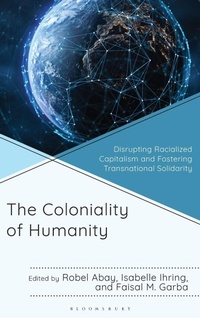
The Coloniality of Humanity
Disrupting Racialized Capitalism and Fostering Transnational Solidarity
Will be published approx. on 19. March 2026
Book
Hardback
360 pages
978-1-6669-5737-2 (ISBN)
Description
This edited volume critically examines the coloniality of humanity and how it affects colonized and racialized people in both the Global South and Global North.
The contributors reveal how ongoing geopolitical power imbalances are rooted in colonial histories and colonial structures which perpetuate global inequalities. The volume explores how these entrenched colonial systems intersect with gender, class, disability, and other social factors, often overlooked in mainstream discussions of global inequality. By synthesizing empirical research and theoretical perspectives on race and colonialism across various historical and geographical contexts, it emphasizes the importance of combining postcolonial research with decolonial praxis. Through the perspectives of scholars and activists from the Global South, the book aims to decolonize knowledge production and challenge the continuing dominance of coloniality.
The contributors reveal how ongoing geopolitical power imbalances are rooted in colonial histories and colonial structures which perpetuate global inequalities. The volume explores how these entrenched colonial systems intersect with gender, class, disability, and other social factors, often overlooked in mainstream discussions of global inequality. By synthesizing empirical research and theoretical perspectives on race and colonialism across various historical and geographical contexts, it emphasizes the importance of combining postcolonial research with decolonial praxis. Through the perspectives of scholars and activists from the Global South, the book aims to decolonize knowledge production and challenge the continuing dominance of coloniality.
Reviews / Votes
This volume offers a powerful transnational intervention into the persistent structures of coloniality that shape our current moment. Bringing together scholars and practitioners from across the Global South and North, it critically examines the geopolitics of racialized capitalism, migration regimes, and epistemic violence. The editors have curated a timely and urgent collection that resists the reductive framing of decolonization as metaphor and instead insists on accountability, relationality, and material transformation. It's a valuable resource for those committed to unsettling dominant knowledge systems and imagining liberatory futures rooted in both refusal and solidarity. * K. Bailey Thomas, University of Rhode Island *More details
Series
Language
English
Place of publication
United States
Publishing group
Bloomsbury Publishing Plc
Target group
Professional and scholarly
Dimensions
Height: 235 mm
Width: 157 mm
Thickness: 24 mm
Weight
666 gr
ISBN-13
978-1-6669-5737-2 (9781666957372)
Copyright in bibliographic data and cover images is held by Nielsen Book Services Limited or by the publishers or by their respective licensors: all rights reserved.
Schweitzer Classification
Other editions
Additional editions
Robel Abay | Isabelle Ihring | Faisal M. Garba
The Coloniality of Humanity
Disrupting Racialized Capitalism and Fostering Transnational Solidarity
E-Book
01/2026
1st Edition
Bloomsbury Academic
€107.99
Available for download
Robel Abay | Isabelle Ihring | Faisal M. Garba
The Coloniality of Humanity
Disrupting Racialized Capitalism and Fostering Transnational Solidarity
E-Book
01/2026
1st Edition
Bloomsbury Academic
€107.99
Available for download
Persons
Robel Abay is sociologist and visiting professor of disability studies at the Alice Salomon University of Applied Sciences Berlin.
Isabelle Ihring is professor of social work with a focus on youth at the Evangelische Hochschule Freiburg.
Faisal M. Garba is associate professor of sociology at the University of Cape Town and associate professor of sociology, migration and mobility at the Africa Institute, Sharjah.
Isabelle Ihring is professor of social work with a focus on youth at the Evangelische Hochschule Freiburg.
Faisal M. Garba is associate professor of sociology at the University of Cape Town and associate professor of sociology, migration and mobility at the Africa Institute, Sharjah.
Content
Table of Contents
Introduction: Epistemological and Political Implications of Analyzing the Coloniality of Humanity by Robel Abay, Isabelle Ihring, and Faisal M. Garba
Section I: Silencing the Colonial Past
Foreword by Vanessa E. Thompson
Chapter 1: 'Transgressive' Mobility and the Structuring of Space and Belonging by Rose Jaji
Chapter 2: Coloniality in Refugee/Forced Migration and Health Research: Reflections on Complicity and Disobedience by Diana Podar and Yudit Namer
Chapter 3: Can the African subaltern speak? The Colonial Legacies of Racial Hierarchies in Times of COVID-19 by Robel Abay and Nomaswazi Mthombeni
Chapter 4: The Neglected Colonial Legacy of the 1951 Refugee Convention by Edwin O. Abuya, Ulrike Krause, and Lucy Mayblin
Chapter 5: The Construction of the 'West' and the 'Rest' Reloaded by Isabelle Ihring and Faisal M. Garba
Chapter 6: Self-Determination under Coloniality: Cultivating Open-mindedness in South-North Relationships by Jacques Zannou
Section II: Understanding the Postcolonial Present
Foreword by Nomaswazi Mthombeni
Chapter 7: Can Human Rights Help [re]build Community? by Oche Onazi
Chapter 8: The Paradigm of the Camp: COVID-19 and Pandemic Politics in Racialized Capitalism by Robel Abay, Tanja Kleibl, Caroline Schmitt and Nikos Xypolytas
Chapter 9: Examining the Colonial and Apartheid Socio-economic Intersectionalities during COVID-19 in South Africa : Implications for Social Policy and Social Justice by Minenhle Matela and Ndangwa Noyoo
Chapter 10: From the Kitchen Table to the Streets: Queer of Colour Reflections on Racial Capitalism by Jin Haritaworn
Chapter 11: School as a Place of Self-experience: Knowledge about Racism from the Perspective of Subjects Who Experience Racism in Germany by Yasmina Gandouz-Touati, Veronika Kourabas, and Paul Mecheril
Chapter 12: The Transatlantic Trade with Enslaved People: Dehumanizing Effects of Slavery and Colonialism upon the Enslaved People by Joseph Wolsing
Chapter 13: When the Circle is Closing: On the Motivation of People of African Descent to Leave Their Home Countries to Live in Ghana by Isabelle Ihring
Section III: Imagining the Decolonial Future
Foreword by Celine Barry
Chapter 14: Resistance and Creating Spaces for Transformation with Smai Tawi/Kemetic Yoga in Germany by Cassandra Ellerbe
Chapter 15: The Importance of Transnational Solidarity in Shaping the Decolonization of Social Work by Janet Ananias and Ursula Kaemmerer-Ru?tten
Chapter 16: Conversation with the Specters of the Camp: Thinking Refugee Resistance through the Lens of the Mass Strike and Convivial Futurity by Celine Barry
Chapter 17: Decolonizing Development Studies: Social Work in the African Perspective and Social Work Considerations in Africa by Zeldah U. Rukambe and Utjiua I. Ndjoonduezu
Chapter 18: Exploring Transformative Relationships towards Decolonizing Social Work Education in Sylhet and Frankfurt by Chaitali Das and Tulshi Kumar Das
Index
About the Editors
About the Contributors
Introduction: Epistemological and Political Implications of Analyzing the Coloniality of Humanity by Robel Abay, Isabelle Ihring, and Faisal M. Garba
Section I: Silencing the Colonial Past
Foreword by Vanessa E. Thompson
Chapter 1: 'Transgressive' Mobility and the Structuring of Space and Belonging by Rose Jaji
Chapter 2: Coloniality in Refugee/Forced Migration and Health Research: Reflections on Complicity and Disobedience by Diana Podar and Yudit Namer
Chapter 3: Can the African subaltern speak? The Colonial Legacies of Racial Hierarchies in Times of COVID-19 by Robel Abay and Nomaswazi Mthombeni
Chapter 4: The Neglected Colonial Legacy of the 1951 Refugee Convention by Edwin O. Abuya, Ulrike Krause, and Lucy Mayblin
Chapter 5: The Construction of the 'West' and the 'Rest' Reloaded by Isabelle Ihring and Faisal M. Garba
Chapter 6: Self-Determination under Coloniality: Cultivating Open-mindedness in South-North Relationships by Jacques Zannou
Section II: Understanding the Postcolonial Present
Foreword by Nomaswazi Mthombeni
Chapter 7: Can Human Rights Help [re]build Community? by Oche Onazi
Chapter 8: The Paradigm of the Camp: COVID-19 and Pandemic Politics in Racialized Capitalism by Robel Abay, Tanja Kleibl, Caroline Schmitt and Nikos Xypolytas
Chapter 9: Examining the Colonial and Apartheid Socio-economic Intersectionalities during COVID-19 in South Africa : Implications for Social Policy and Social Justice by Minenhle Matela and Ndangwa Noyoo
Chapter 10: From the Kitchen Table to the Streets: Queer of Colour Reflections on Racial Capitalism by Jin Haritaworn
Chapter 11: School as a Place of Self-experience: Knowledge about Racism from the Perspective of Subjects Who Experience Racism in Germany by Yasmina Gandouz-Touati, Veronika Kourabas, and Paul Mecheril
Chapter 12: The Transatlantic Trade with Enslaved People: Dehumanizing Effects of Slavery and Colonialism upon the Enslaved People by Joseph Wolsing
Chapter 13: When the Circle is Closing: On the Motivation of People of African Descent to Leave Their Home Countries to Live in Ghana by Isabelle Ihring
Section III: Imagining the Decolonial Future
Foreword by Celine Barry
Chapter 14: Resistance and Creating Spaces for Transformation with Smai Tawi/Kemetic Yoga in Germany by Cassandra Ellerbe
Chapter 15: The Importance of Transnational Solidarity in Shaping the Decolonization of Social Work by Janet Ananias and Ursula Kaemmerer-Ru?tten
Chapter 16: Conversation with the Specters of the Camp: Thinking Refugee Resistance through the Lens of the Mass Strike and Convivial Futurity by Celine Barry
Chapter 17: Decolonizing Development Studies: Social Work in the African Perspective and Social Work Considerations in Africa by Zeldah U. Rukambe and Utjiua I. Ndjoonduezu
Chapter 18: Exploring Transformative Relationships towards Decolonizing Social Work Education in Sylhet and Frankfurt by Chaitali Das and Tulshi Kumar Das
Index
About the Editors
About the Contributors