

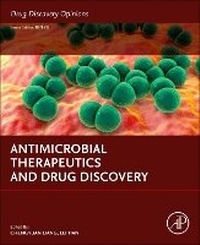
Antimicrobial Therapeutics and Drug Discovery
Erscheint ca. am 1. März 2026
Buch
Softcover
600 Seiten
978-0-443-36518-8 (ISBN)
Beschreibung
Antimicrobial Therapeutics and Drug Discovery is a comprehensive resource that provides an overview of antimicrobial drug discovery. It covers a wide spectrum of pathogenic organisms causing human infections, exploring alternative therapeutic strategies beyond traditional small molecule drugs. The contents in the book are structured into four parts, each focusing on a different aspect of antimicrobial drug discovery. From exploring viral and host targets, understanding antibiotic resistance mechanisms, to the potential of nanomedicine and computational approaches, the book offers a comprehensive view of the field. Employing a multidisciplinary approach, chapters discuss the importance of drug discovery for fungi, Mycobacteria, Mycoplasma, and parasites, and offers insights into innovative biomedical approaches and combination therapies. By bridging the gap between experimental research and practical application, Antimicrobial Therapeutics and Drug Discovery is a key reference for pharmacologists and pharmaceutical scientists working in academic and corporate research. Medicinal chemists and microbiologists will also benefit from the multidisciplinary coverage of the book.
Weitere Details
Reihe
Sprache
Englisch
Verlagsort
San Diego
USA
Verlagsgruppe
Elsevier Science Publishing Co Inc
Zielgruppe
Für Beruf und Forschung
Produkt-Hinweis
Broschur/Paperback
Klebebindung
Maße
Höhe: 276 mm
Breite: 216 mm
Gewicht
450 gr
ISBN-13
978-0-443-36518-8 (9780443365188)
Copyright in bibliographic data and cover images is held by Nielsen Book Services Limited or by the publishers or by their respective licensors: all rights reserved.
Schweitzer Klassifikation
Weitere Ausgaben
Andere Ausgaben
Chengyuan Liang | Lei Tian
Antimicrobial Therapeutics and Drug Discovery
E-Book
03/2026
Elsevier
162,99 €
Als Download verfügbar
Personen
Dr. Chengyuan Liang holds a BA in Pharmaceutical Engineering and a PhD in Medicinal Chemistry, both from China Pharmaceutical University. He also worked as a visiting scholar at the Department of Chemistry, Georgia State University, USA from 2016 to 2017. Currently, he is a full professor in the Department of Medicinal Chemistry at Shaanxi University of Science & Technology. Dr. Liang's research interests are focused on developing novel therapeutics such as inhibitors, PROTACs, and ADCs, using chemistry-driven drug discovery. These therapeutics are aimed at treating infectious diseases caused by viral infections (such as Coronavirus and influenza) and resistant pathogens, including multidrug-resistant bacteria and resistant mycoplasma. He has contributed to several book chapters published by Elsevier and Springer Nature on drug discovery, and has published over 60 peer-reviewed journal articles in international high-impact peer-reviewed journals such as Journal of Medicinal Chemistry, European Journal of Medicinal Chemistry, and Phytomedicine. His total citations exceed 1300, and he has been granted 120 patents in China, USA, and Japan. Dr. Liang is also the director of the Xi'an Key Laboratory for Antiviral and Antimicrobial-Resistant Bacteria Therapeutics Research and Shaanxi Provincial University Engineering Research Center for Therapeutic Drugs for Major Infectious Diseases.
Dr. Lei Tian earned her BS in Pharmaceutics and her PhD in Biosources Chemical and Materials Engineering from Shaanxi University of Science & Technology, China. From 2023 to 2024, she is a visiting scholar at the University of Auckland, New Zealand. She is currently a research fellow at the Engineering Research Center of Major Infectious Disease Therapeutics at Universities of Shaanxi Province and Xi'an Key Laboratory of Antiviral and Antimicrobial-Resistant Bacteria Therapeutics Research. Her research focuses on developing treatments for infectious diseases caused by coronaviruses and multidrug-resistant bacteria, utilizing chemical synthesis and plant-derived natural products. She has authored several scientific articles in top peer-reviewed journals, which have been cited over 700 times. Additionally, she has co-authored three books and holds over 20 patents, either granted or pending.
Dr. Lei Tian earned her BS in Pharmaceutics and her PhD in Biosources Chemical and Materials Engineering from Shaanxi University of Science & Technology, China. From 2023 to 2024, she is a visiting scholar at the University of Auckland, New Zealand. She is currently a research fellow at the Engineering Research Center of Major Infectious Disease Therapeutics at Universities of Shaanxi Province and Xi'an Key Laboratory of Antiviral and Antimicrobial-Resistant Bacteria Therapeutics Research. Her research focuses on developing treatments for infectious diseases caused by coronaviruses and multidrug-resistant bacteria, utilizing chemical synthesis and plant-derived natural products. She has authored several scientific articles in top peer-reviewed journals, which have been cited over 700 times. Additionally, she has co-authored three books and holds over 20 patents, either granted or pending.
Inhalt
Part I: Antiviral Drug Discovery
1. Exploring Viral and Host Targets for Antiviral Drug Discovery
2. COVID-19 Challenges and its Therapeutics
3. From Lab to Clinic: The Evolution of Reverse Transcriptase Inhibitors in HIV Treatment
4. Targeting Hepatitis C Virus Polymerase: Non-Nucleoside Inhibitors (NNIs) and Drug Resistance
5. Challenges, Progress, and Prospects of Drug Discovery to Treat Chronic Hepatitis B (CHB) Infection
6. Discovery and Development of Antiviral Therapies for Influenza Virus Infections
7. Medicinal Chemistry Strategies for the Discovery and Development of Anti-Herpesvirus Drugs
8. Opportunities and Challenges in Targeted Protein Degradation for Antiviral Drug Discovery
Part II: Antibacterial Drug Discovery
9. Molecular Mechanisms of Antibiotic Resistance
10. Overview of the Antibiotics Approved in the Last Two Decades: Retrospect and Prospect
11. Antibiotic Resistance Breakers: Current Approaches and Future Directions
12. Innovative Approaches in Developing Antimicrobial Peptides for Drug-Resistant Bacterial Infections
13. The Potential of Antibody-Antibiotic Conjugates in Combatting Bacterial Diseases
14. Phage Therapy: Current Advancements and Future Prospects in Combating Antimicrobial Resistance
Part III: Drug Discovery for Miscellaneous Pathogens
15. Antifungal Drug Resistance: Current Mechanisms and Future Directions
16. Challenges, Unmet Clinical Needs, and Novel Approaches in the Discovery of Antifungal Drugs
17. Drug Discovery against Mycobacteria: The Success and Challenges
18. Future of Drug Development for the Treatment of Mycoplasma Infections
19. Antimalarial Drug Discovery: From Novel Molecules to Clinical Development
Part IV: Next-Generation Antimicrobial Strategies
20. Computational Approaches in Antimicrobial Drug Discovery
21. Multi-Omics Approaches for Antimicrobial Drug Discovery
22. Nanomedicine as a Next-Generation Antimicrobial Therapy: New Frontiers in Fighting Microbial Infections
23. Drug Repurposing: Innovative Antimicrobial Strategies to Combat Resistance
24. Drug Combinations: A Strategy to Extend the Life of Antimicrobials
25. Ethical Imperatives in Combating Antimicrobial Resistance: A Global Perspective
1. Exploring Viral and Host Targets for Antiviral Drug Discovery
2. COVID-19 Challenges and its Therapeutics
3. From Lab to Clinic: The Evolution of Reverse Transcriptase Inhibitors in HIV Treatment
4. Targeting Hepatitis C Virus Polymerase: Non-Nucleoside Inhibitors (NNIs) and Drug Resistance
5. Challenges, Progress, and Prospects of Drug Discovery to Treat Chronic Hepatitis B (CHB) Infection
6. Discovery and Development of Antiviral Therapies for Influenza Virus Infections
7. Medicinal Chemistry Strategies for the Discovery and Development of Anti-Herpesvirus Drugs
8. Opportunities and Challenges in Targeted Protein Degradation for Antiviral Drug Discovery
Part II: Antibacterial Drug Discovery
9. Molecular Mechanisms of Antibiotic Resistance
10. Overview of the Antibiotics Approved in the Last Two Decades: Retrospect and Prospect
11. Antibiotic Resistance Breakers: Current Approaches and Future Directions
12. Innovative Approaches in Developing Antimicrobial Peptides for Drug-Resistant Bacterial Infections
13. The Potential of Antibody-Antibiotic Conjugates in Combatting Bacterial Diseases
14. Phage Therapy: Current Advancements and Future Prospects in Combating Antimicrobial Resistance
Part III: Drug Discovery for Miscellaneous Pathogens
15. Antifungal Drug Resistance: Current Mechanisms and Future Directions
16. Challenges, Unmet Clinical Needs, and Novel Approaches in the Discovery of Antifungal Drugs
17. Drug Discovery against Mycobacteria: The Success and Challenges
18. Future of Drug Development for the Treatment of Mycoplasma Infections
19. Antimalarial Drug Discovery: From Novel Molecules to Clinical Development
Part IV: Next-Generation Antimicrobial Strategies
20. Computational Approaches in Antimicrobial Drug Discovery
21. Multi-Omics Approaches for Antimicrobial Drug Discovery
22. Nanomedicine as a Next-Generation Antimicrobial Therapy: New Frontiers in Fighting Microbial Infections
23. Drug Repurposing: Innovative Antimicrobial Strategies to Combat Resistance
24. Drug Combinations: A Strategy to Extend the Life of Antimicrobials
25. Ethical Imperatives in Combating Antimicrobial Resistance: A Global Perspective